Jaishankar Draws Red Line On Terror As Pakistan’s Munir Cloaks Militancy in Religious Rhetoric
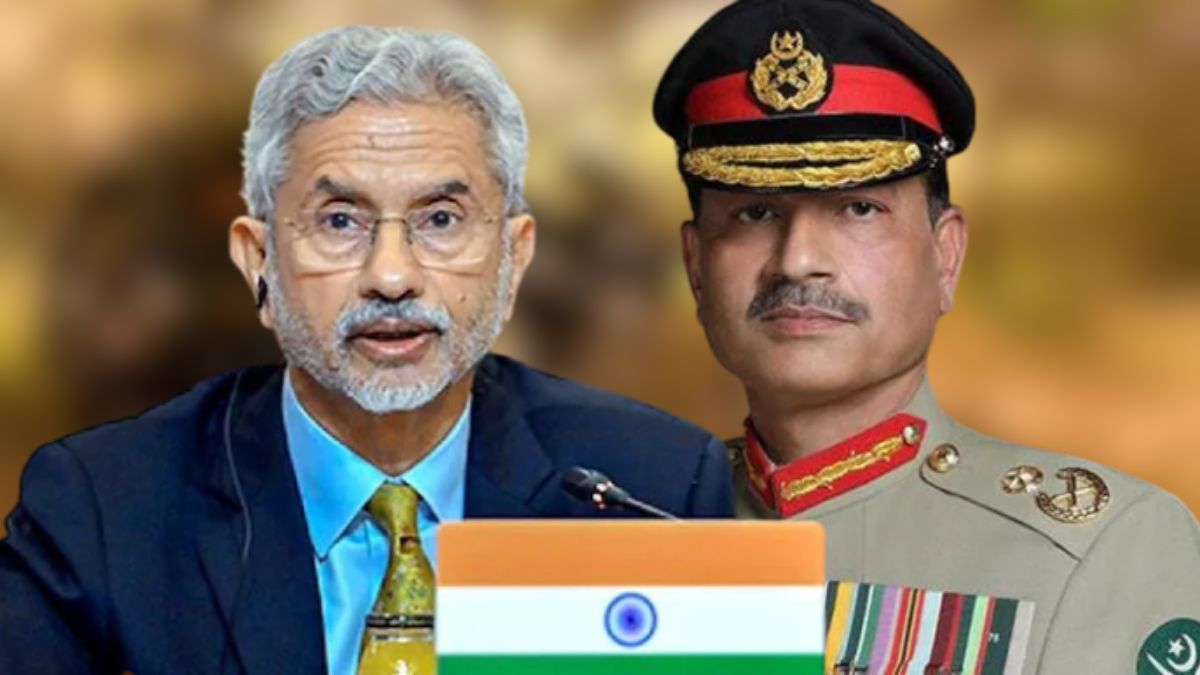
Statements by EAM S Jaishankar and Pakistan's Field Marshal Asim Munir showed the contrast between the two nations' approach to terrorism and conflict. Image courtesy: RNA

India’s counterterrorism posture and Pakistan’s narrative have once again collided on the international stage; this time at the Shanghai Cooperation Organisation (SCO) meeting in Moscow.
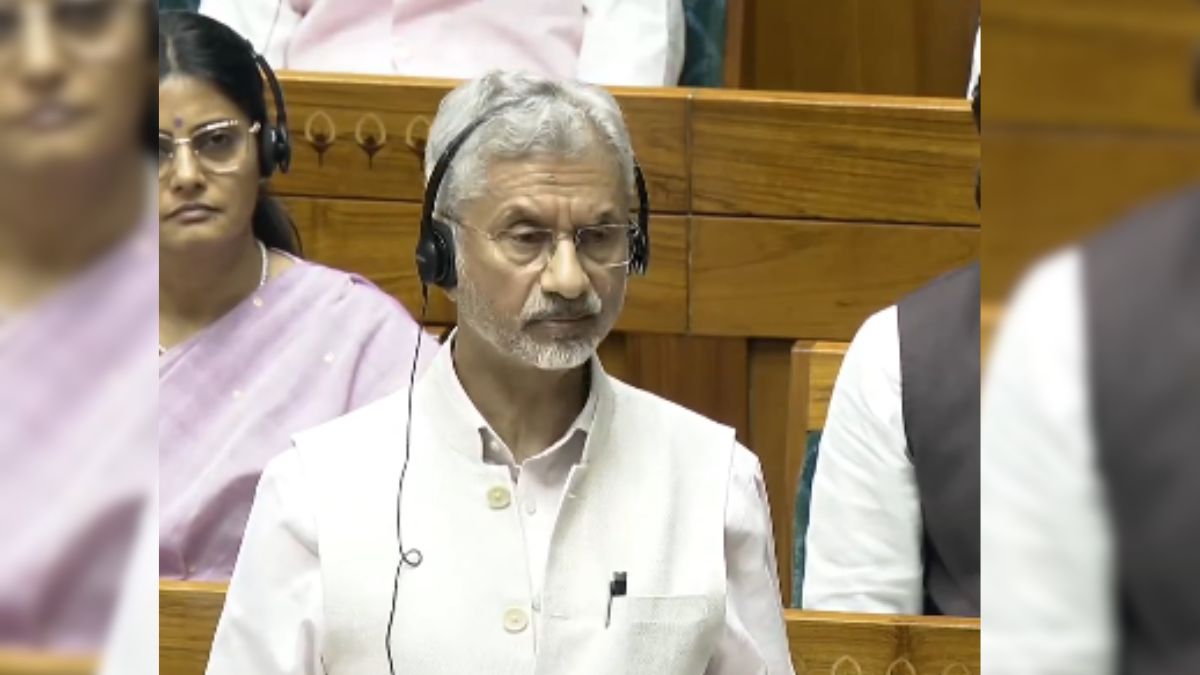
India’s External Affairs Minister Dr S. Jaishankar used the forum on Tuesday (November 18, 2025) to send an unmistakable signal: India will not only defend itself against terrorism but will also call out any attempt to sanitise, justify, or excuse it.
In sharp contrast, Pakistan Army Chief Field Marshal Asim Munir resorted to religious framing to defend Islamabad’s conduct during recent hostilities, highlighting a deepening divergence in how the two countries project their positions on terrorism.
What was the context of Jaishankar’s remarks at the SCO meet?
Jaishankar’s remarks come at a sensitive moment. India is still grappling with the aftermath of the Delhi Red Fort blast, which killed 15 people, and the lingering shock of the April 22 Pahalgam terror attack that left 26 dead.
It was the Pahalgam attack that triggered Operation Sindoor, during which India struck terror and military installations deep inside Pakistan before hostilities ceased on May 10, 2025 at Islamabad’s request.
His reference to India having “the right to defend our people” was a pointed reminder of this precedent, and a clear warning that future provocations will elicit decisive responses.
What did Jaishankar tell the SCO meet?
The minister underscored that the SCO was founded to fight “the three evils” of terrorism, separatism, and extremism, asserting that these threats are now more dangerous than ever.
His message was aimed not only at Pakistan but at the broader region: zero tolerance must mean zero ambiguity. India, he implied, would not accept selective outrage, especially from countries that condemn attacks on their soil but remain silent when terror groups target India.
How has India’s hard line on terror shaped its diplomacy?
New Delhi’s hardened line has already reshaped multilateral diplomacy. At the SCO defence ministers’ meeting in June, India refused to endorse the joint communiqué because it condemned attacks in Balochistan and the hijacking of the Jaffar Express, but made no mention of the Pahalgam massacre.
Defence Minister Rajnath Singh’s refusal to sign the document demonstrated India’s unwillingness to legitimise narratives that downplay terror against Indians.
What is Pakistan’s obsession with religion?
In stark contrast, Pakistan’s military establishment continues to wrap its responses in overtly religious language.
Speaking at a luncheon for Jordan’s King Abdullah II, Army Chief Asim Munir claimed that “Allah turned the dirt thrown at the enemy into missiles” during May’s confrontation with India.
He described Pakistan’s military as an “army of Allah” and warned that Islamabad would respond again just as it did after Operation Sindoor.
His invocation of divine intervention appeared aimed at bolstering domestic morale, but it also underscored Pakistan’s ongoing reliance on ideological rhetoric instead of acknowledging terrorism as an international security threat.
What’s Munir’s nuclear bogey wrapped with religion?
Munir’s warning that “there is no space for war in a nuclearised environment” was a familiar attempt to dissuade India from retaliatory action in the future, even as Pakistan refuses to confront terror groups operating from its soil.
The contrast could not be sharper: India emphasising rule-based, zero-tolerance counterterrorism principles at a multilateral forum, and Pakistan relying on religious justification to deflect responsibility.
As terror threats in the region evolve, Jaishankar’s message in Moscow signals that India will not dilute its stance, and will confront both terrorism and the narratives that protect it.