China Accuses Japan of “Crossing a Red Line” Over Taiwan as Diplomatic Rift Deepens
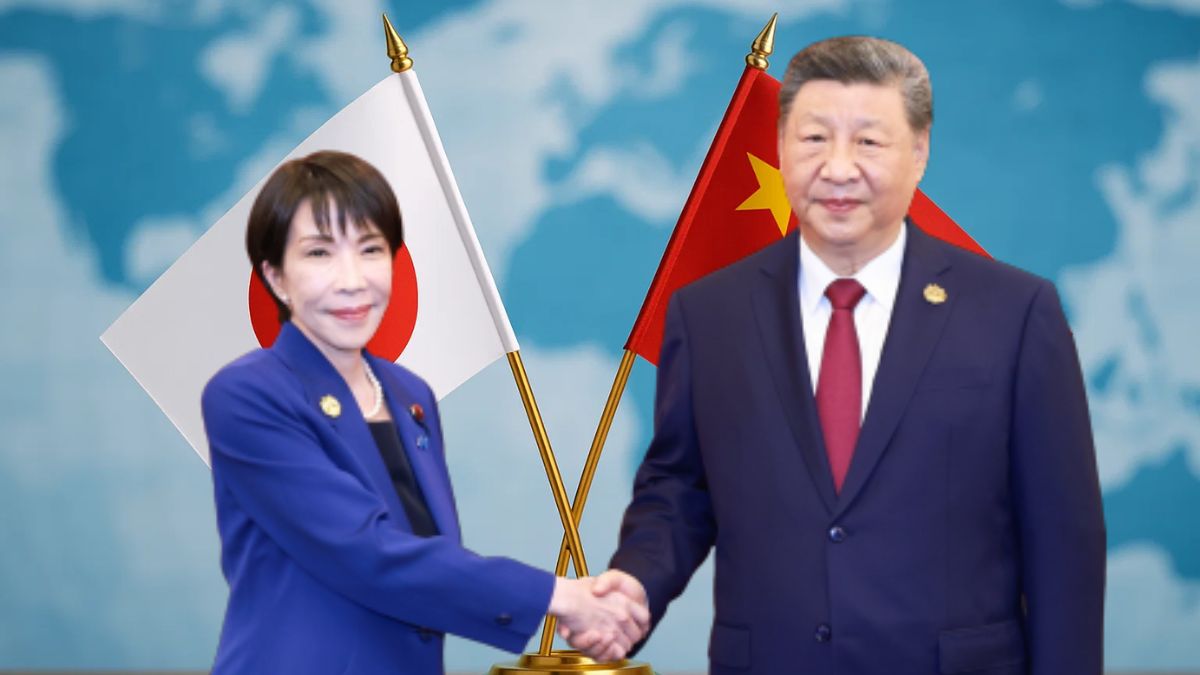
Tensions between China and Japan have been high over Taiwan in recent weeks. Image courtesy: RNA

China has sharply escalated its rhetoric against Japan, accusing Tokyo of breaching a “red line” after new Japanese Prime Minister Sanae Takaichi suggested that a Chinese attack or blockade of Taiwan could trigger a military response from Japan.
The Japanese PM’s comments, made during a parliamentary session on November 7, have ignited a rapidly widening diplomatic rift between Asia’s two largest economies.
What did the Chinese Foreign Minister accuse Japan of?
Chinese Foreign Minister Wang Yi, in a strongly worded statement published on the Foreign Ministry’s website, condemned Takaichi’s remarks as “shocking,” alleging that Japan’s leadership had “sent the wrong signal” and “said things they shouldn’t have said.”
Wang accused Tokyo of attempting to interfere militarily in the Taiwan issue, something Beijing views as an internal matter, and warned that China must “resolutely respond.”
The foreign minister further invoked regional sensitivities, asserting that all countries had a responsibility to “prevent the resurgence of Japanese militarism,” a direct reference to Japan’s wartime history.
His comments reflect Beijing’s deepening suspicion of Tokyo’s growing strategic alignment with the United States and its increasingly assertive posture in the Indo-Pacific.
Why did China complain against Japan to the UN?
On Friday (November 21, 2025), China took its grievances to the United Nations, with Ambassador Fu Cong accusing Japan in a letter to UN Secretary-General António Guterres of committing a “grave violation of international law.”
Fu warned that any Japanese military involvement in a Taiwan conflict would constitute “an act of aggression,” adding that China would exercise its right to self-defence under the UN Charter.
How did Japan react to the Chinese complaint?
Tokyo swiftly rejected the allegations. Japan’s foreign ministry said China’s claims were “entirely unacceptable” and insisted that Japan’s long-standing commitment to peace and stability remained unchanged.
Speaking on Sunday (November 23) during the G20 Summit in Johannesburg, Prime Minister Takaichi did not directly address Wang’s remarks but reiterated that Japan “remained open to dialogue” with Beijing.
“We are not closing the door. But it’s important for Japan to state clearly what needs to be said,” she told reporters, adding that she had not met with Chinese Premier Li Qiang during the summit.
How is the Japanese PM’s stance different?
Takaichi’s stance marks a departure from previous Japanese leaders, who generally expressed concern over Taiwan’s security without openly discussing possible military intervention. Her comments come amid rising tensions across the Taiwan Strait and growing concerns about China’s military activities.
Taiwan also weighed in, condemning China’s UN letter as “rude and unreasonable” and accusing Beijing of distorting historical facts while violating the UN Charter’s principles against the threat or use of force.
With China serving as Japan’s second-largest export market, the deepening confrontation risks spilling over into economic and cultural domains, adding yet another layer of uncertainty to an already volatile regional landscape.