

Russia Rejects Reports Of Peace Plan Talks In Abu Dhabi, Ukraine Says Ready to Advance Deal
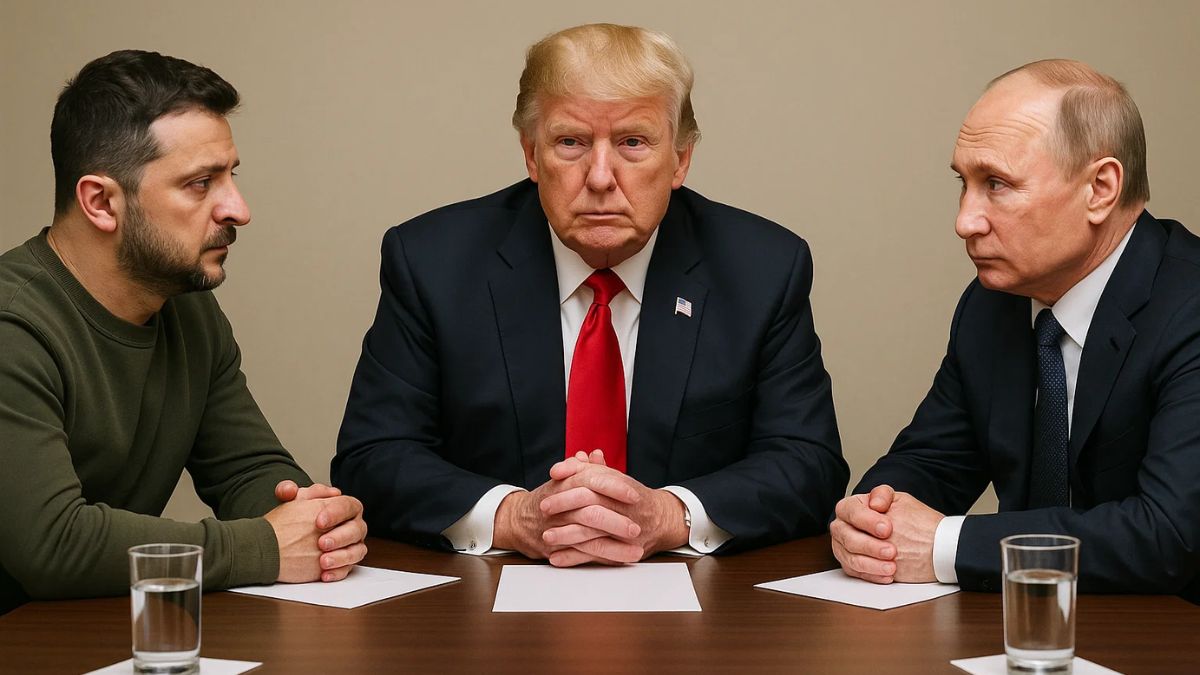
While the US is playing the mediator, and looking to implement Trump's peace plan to end the Ukraine war, Moscow and Kyiv have sent very different signals on the proposal. Image courtesy: AI-generated picture via Sora

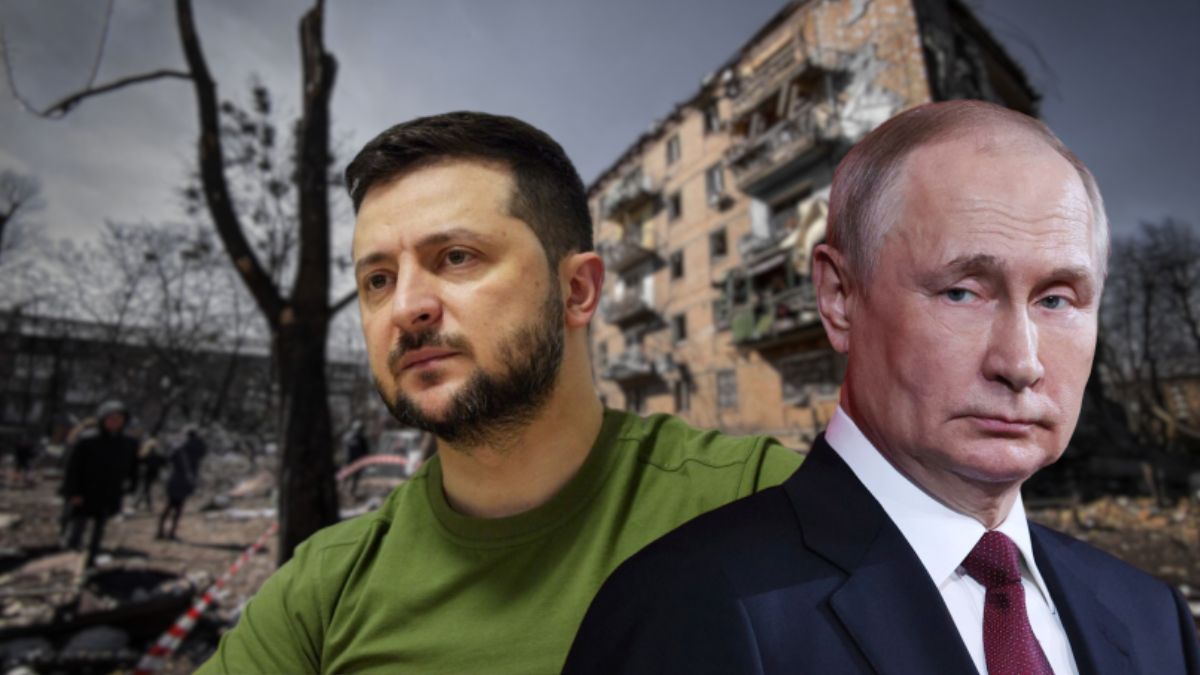
Russia and the United States (US) did not discuss Washington’s latest peace proposal during high-level talks in Abu Dhabi this week, the Kremlin said on Wednesday (November 26, 2025), even as US President Donald Trump moves to accelerate negotiations by dispatching his special envoy to Moscow.
At the same time, Ukrainian President Volodymyr Zelenskyy signalled Kyiv’s readiness to move forward on the US-backed framework, while insisting that European allies must be part of the process.
What did Russia say regarding the US peace plan?
Top Kremlin adviser Yury Ushakov told state media that the peace plan “was not discussed in Abu Dhabi” and that Moscow had only received the draft proposal.
While he acknowledged that “some aspects can be viewed positively,” he stressed that others require “special discussions between experts” and said it was “completely unnecessary” for European officials to be involved at this stage.
Instead, the Abu Dhabi talks centered on practical security matters, including potential prisoner exchanges, with both Ukrainian and Russian security officials participating.
How did the US talks with Russia progress?
US Army Secretary Dan Driscoll also held separate follow-up meetings with Russian delegates after weekend discussions in Geneva between American and Ukrainian officials. Driscoll struck an optimistic tone, with his office saying the talks “are going well.”
Ushakov confirmed that Trump’s envoy, businessman Steve Witkoff, who has spent months shuttling between Moscow and Washington, will visit Moscow next week.
Trump has claimed the sides are “close” to a deal, reiterating his intent to meet both President Vladimir Putin and President Zelenskiy “ONLY when the deal to end this War is FINAL or in its final stages.”
What was Ukraine’s response to the peace plan?
In Kyiv, Zelenskyy said on Tuesday (November 25) that Ukraine was prepared to advance discussions on the US-drafted 28-point framework for ending Europe’s deadliest conflict since World War II.
Addressing a coalition of European and willing allies, Zelenskyy urged leaders to agree on a blueprint for a “reassurance force” to bolster Ukraine’s security. He emphasised that European participation was non-negotiable.
“We firmly believe security decisions about Ukraine must include Ukraine, security decisions about Europe must include Europe,” Zelenskiy said, warning that deals made “behind the back” of nations rarely succeed.
The framework is ready for movement, he said, “together with the USA, with the personal engagement of President Trump.”
What are the gaps in the peace plan?
But deep gaps remain. A Ukrainian diplomat noted that territorial concessions—central to Russia’s demands—remain a major sticking point, making a final deal uncertain.
The US plan would require Ukraine to yield territory beyond the nearly 20% already occupied, accept limits on its military, and forgo NATO membership, conditions Kyiv has long viewed as unacceptable.
Compounding the pressure, Russia launched a massive overnight barrage of missiles and drones on Kyiv, killing seven people and damaging critical infrastructure.
With winter approaching and public patience strained, Zelenskyy faces mounting political vulnerability following domestic corruption scandals and continued battlefield setbacks.
What happened in the Geneva meeting?
Ukrainian and US negotiators met in Geneva on Sunday (November 23), followed by Driscoll’s engagement with Russian officials in Abu Dhabi.
Ukrainian National Security Chief Rustem Umerov suggested Zelenskiy could travel to the US soon for further talks, though Washington has not confirmed the visit.
What is Russia’s objections to the peace plan?
Meanwhile, Moscow has warned that any amendment to the plan must reflect the “spirit and letter” of the understanding Putin and Trump reached at their Alaska summit.
Russian Foreign Minister Sergei Lavrov said deviating from that would create “a fundamentally different situation” for Moscow.
With deadlines shifting, negotiations intensifying, and battlefields still active, the path to peace remains fraught—even as the US, Russia, and Ukraine edge toward what could become the most consequential diplomatic effort of the war.