
US Pauses All Afghan Visa Issuance, Halts Asylum Decisions After Deadly Attack Near White House
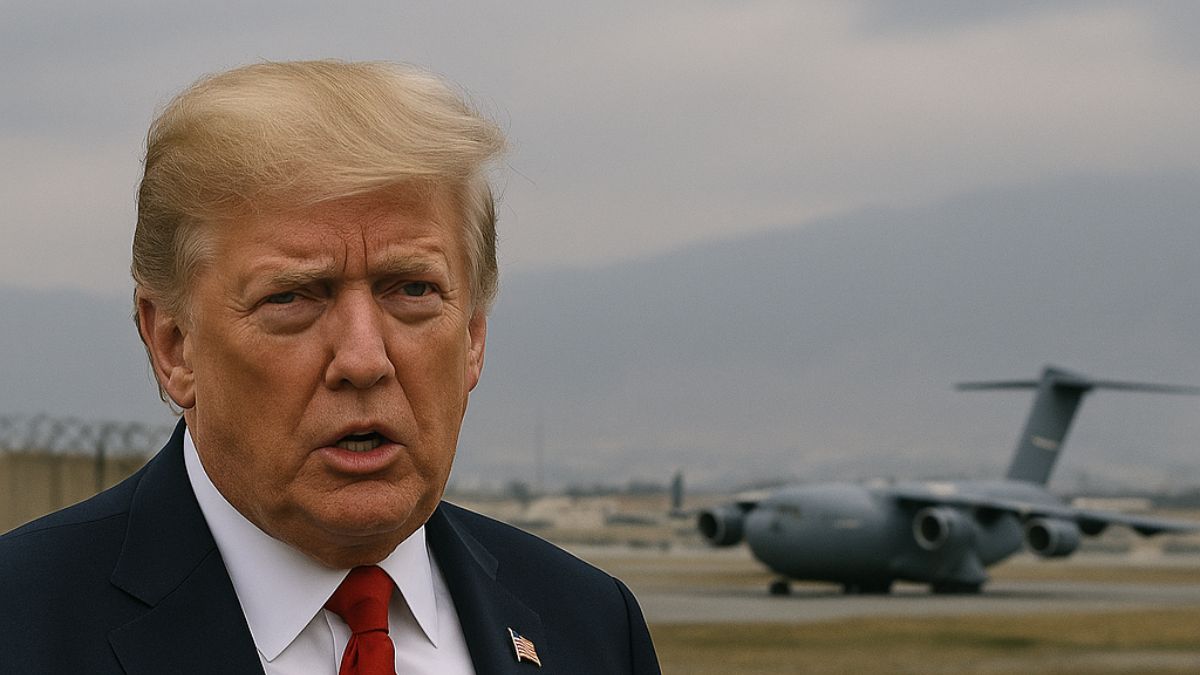
The Trump administration has paused all Afghan visa issuance and asylum seeking. Image courtesy AI generated picture via DALL-E

The United States has “immediately” paused the issuance of visas to anyone travelling on an Afghan passport, marking one of the Trump administration’s most sweeping immigration restrictions to date.
The move, announced by the State Department on Friday (November 28, 2025), comes amid mounting political pressure and public debate after a deadly shooting in Washington, DC, involving an Afghan national.
What did the US say about stopping visas to Afghans?
US Secretary of State Marco Rubio confirmed the decision on X, stating that visa services for Afghan passport holders were suspended “to protect public safety”.
The announcement follows the naming of Rahmanaullah Lakanwal, an Afghan citizen, as the prime suspect in Wednesday’s (November 26) armed attack on two West Virginia National Guard members patrolling near the White House.
Twenty-year-old Sarah Beckstrom died from her injuries on Thursday (November 27), while 24-year-old Andrew Wolfe remains in critical condition.
The attack, which authorities described as an “ambush”, has sparked renewed political tensions over the Biden-era programmes that brought Afghan nationals to the US after the 2021 withdrawal from Afghanistan.
Did the suspect previously work for the CIA?
Adding to the controversy, the CIA confirmed that Lakanwal had previously worked for the agency in Afghanistan and later entered the US under Operation Allies Welcome, a resettlement programme launched during the Biden administration to assist Afghans who worked alongside US forces.
Federal prosecutors announced on Friday (November 28) that charges against Lakanwal have been upgraded to first-degree murder, along with two counts of assault with intent to kill.
Jeanine Pirro, US Attorney for the District of Columbia, said the upgraded charges reflect the severity and premeditated nature of the attack.
Are asylum decisions also frozen nationwide?
In a parallel development, the US Citizenship and Immigration Services (USCIS) announced a nationwide freeze on all asylum decisions. USCIS director Joseph Edlow said the halt is necessary to ensure “every alien is vetted and screened to the maximum degree possible”.
Edlow also revealed that, acting on President Donald Trump’s orders, he had directed a “full-scale, rigorous re-examination” of every green card belonging to nationals from unspecified “countries of concern”.
The sweeping measures reflect Trump’s intensifying immigration crackdown since returning to office in January. In recent weeks, Trump has repeatedly accused the previous administration of “reckless” immigration policies, specifically criticising visas granted to Afghans under Operation Allies Welcome.
Why is Trump pushing for expansive immigration restrictions?
Calling the DC shooting a “terrorist attack”, Trump has used the incident to advocate for even more aggressive restrictions.
On Truth Social, he ordered a review of all green card applications from 19 countries and stated his intention to suspend immigration from “all Third World countries”. Though he did not specify which nations were included, the phrase typically refers to developing nations in the Global South.
He further pledged to “denaturalise migrants who undermine domestic tranquillity” and deport individuals deemed security risks or “non-compatible with Western civilization.”
Since taking office, Trump has already slashed refugee admissions for 2026 to just 7,500, the lowest ceiling since the programme was created in 1980.
Is this a new chapter in Washington’s immigration debate?
The twin moves — pausing Afghan visa issuance and freezing asylum decisions — signal a sharp escalation in US immigration policy.
They also highlight how national security incidents continue to shape political narratives, especially amid heightened debate over the legacy of America’s withdrawal from Afghanistan and the resettlement of its wartime partners.
As investigations into the shooting continue, the administration insists its priority is protecting American lives, but critics warn the sweeping nature of these restrictions could trigger humanitarian, diplomatic, and legal challenges in the weeks ahead.