


Macron Warns Zelenskyy Of Possible US ‘Territory Betrayal’ As Witkoff–Kushner Diplomacy Intensifies In Ukraine Peace Push
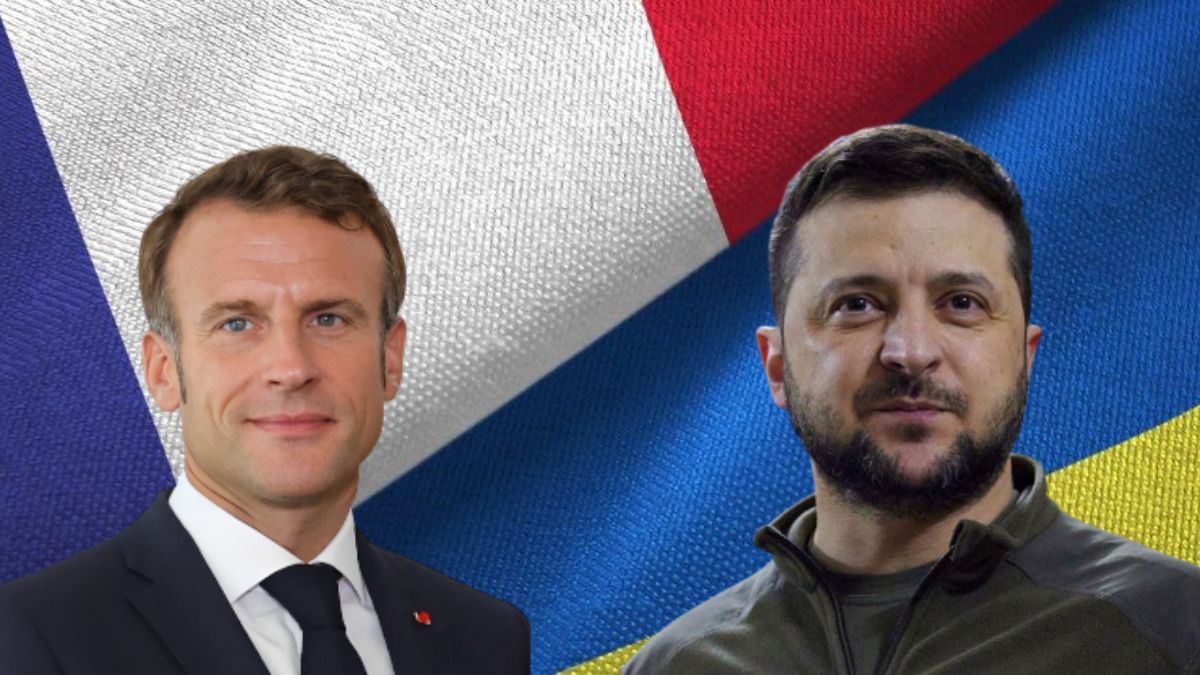
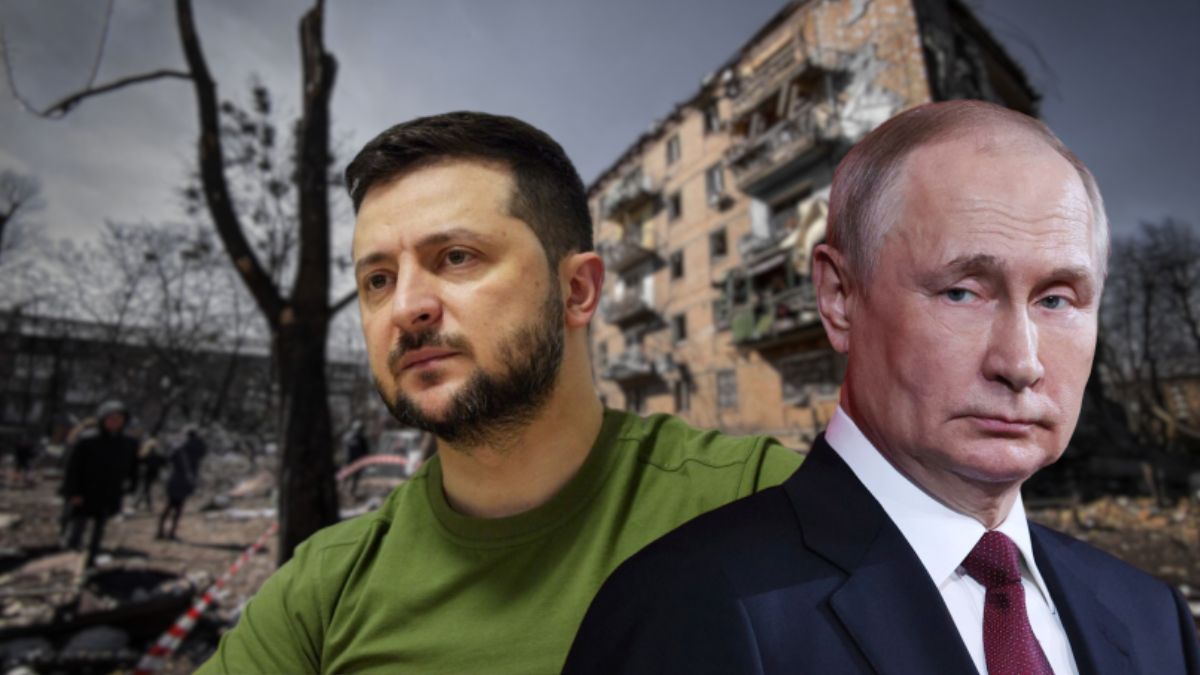
European leaders have voiced deep unease over the direction of US led negotiations, warning Zelenskyy that shifting signals from Washington and Moscow could shape the talks in unpredictable ways. image courtesy: RNA

France and Germany have privately expressed deep unease over the direction of US-led negotiations to end the war in Ukraine, warning President Volodymyr Zelenskyy that Washington may press Kyiv into territorial concessions without firm security guarantees against future Russian aggression.
The concerns surfaced in a leaked transcript of a confidential call cited by Der Spiegel, injecting fresh tension into transatlantic coordination at a critical moment in the peace process.
What did Macron, Merz tell Zelenskyy in the leaked call details?
According to the report, French President Emmanuel Macron told Zelenskyy and several European leaders during a Monday (December 1, 2025) call that “there is a chance the US will betray Ukraine on territory without clarity on security guarantees.”
German Chancellor Friedrich Merz reportedly cautioned Zelenskyy that US negotiators were “playing games” and urged him to be “very careful” in the coming days as talks intensified.
How did Berlin, Paris fence off the leak details?
Berlin declined comment on the leak, while the Élysée said Macron “did not express himself in these words.”
French Foreign Ministry spokesman Pascal Confavreux avoided addressing the leak directly but stressed that France’s support for Ukraine remained “beyond doubt” and that channels with Washington were fully active.
The defensive pushback underscores the political sensitivity in Europe, where leaders fear that a peace deal shaped primarily by Washington and Moscow could sideline European security interests.
What are Europe’s concerns on the peace plan?
The leaked warnings emerged as European leaders rallied publicly behind Zelenskyy following a US–Ukraine effort to revise an earlier peace framework widely criticised in Europe for leaning toward Russian demands.
Those concerns intensified after Russian President Vladimir Putin hosted US envoys Steve Witkoff and Jared Kushner in the Kremlin on December 2, followed by US President Donald Trump saying the path forward for peace talks remained “unclear.”
Why is Ukraine delegation meeting with US negotiators?
Behind the scenes, however, US shuttle diplomacy has accelerated. Witkoff, Trump’s special envoy, and Kushner met Ukraine’s chief negotiator Rustem Umerov and General Andriy Hnatov in Miami over the past two days in what both sides described as the sixth round of “constructive” negotiations in two weeks. US officials said further talks were scheduled for Saturday (December 6).
A joint US–Ukraine statement said Kyiv reiterated that any settlement must safeguard Ukraine’s sovereignty, ensure the safety of its population, and create the foundation for a stable, democratic future.
The discussions included detailed debriefs of the five-hour Kremlin meeting, Russia’s stance on a US-backed settlement blueprint, and potential steps toward de-escalation.
How did the US describe the Ukraine talks?
The US State Department said progress was made on elements of long-term security arrangements and deterrence capabilities, though specifics were intentionally withheld.
The two sides also explored post-war reconstruction plans, future US–Ukraine economic initiatives, and recovery projects, signalling that Washington is preparing for a longer-term partnership beyond a ceasefire.
How Russia’s response matters more for peace?
Still, both US and Ukrainian officials acknowledged that real movement toward a peace deal hinges on Russia’s willingness to commit credibly to long-term peace.
Putin’s foreign policy adviser Yuri Ushakov said the Kremlin and Witkoff had reached a “truly friendly” level of understanding, though the talks in Moscow produced no major breakthrough—adding to Trump’s frustration over the prolonged conflict, which he has repeatedly referred to as an elusive challenge of his presidency.
The competing pressures — Macron’s warning, Europe’s fears of a lopsided deal, Washington’s broadening diplomatic reach, and Putin’s calibrated engagement — underscore how the next phase of negotiations may shape not just the endgame in Ukraine, but the future security architecture of Europe.