



Emergency Defence Procurement Window Extended To Boost Preparedness
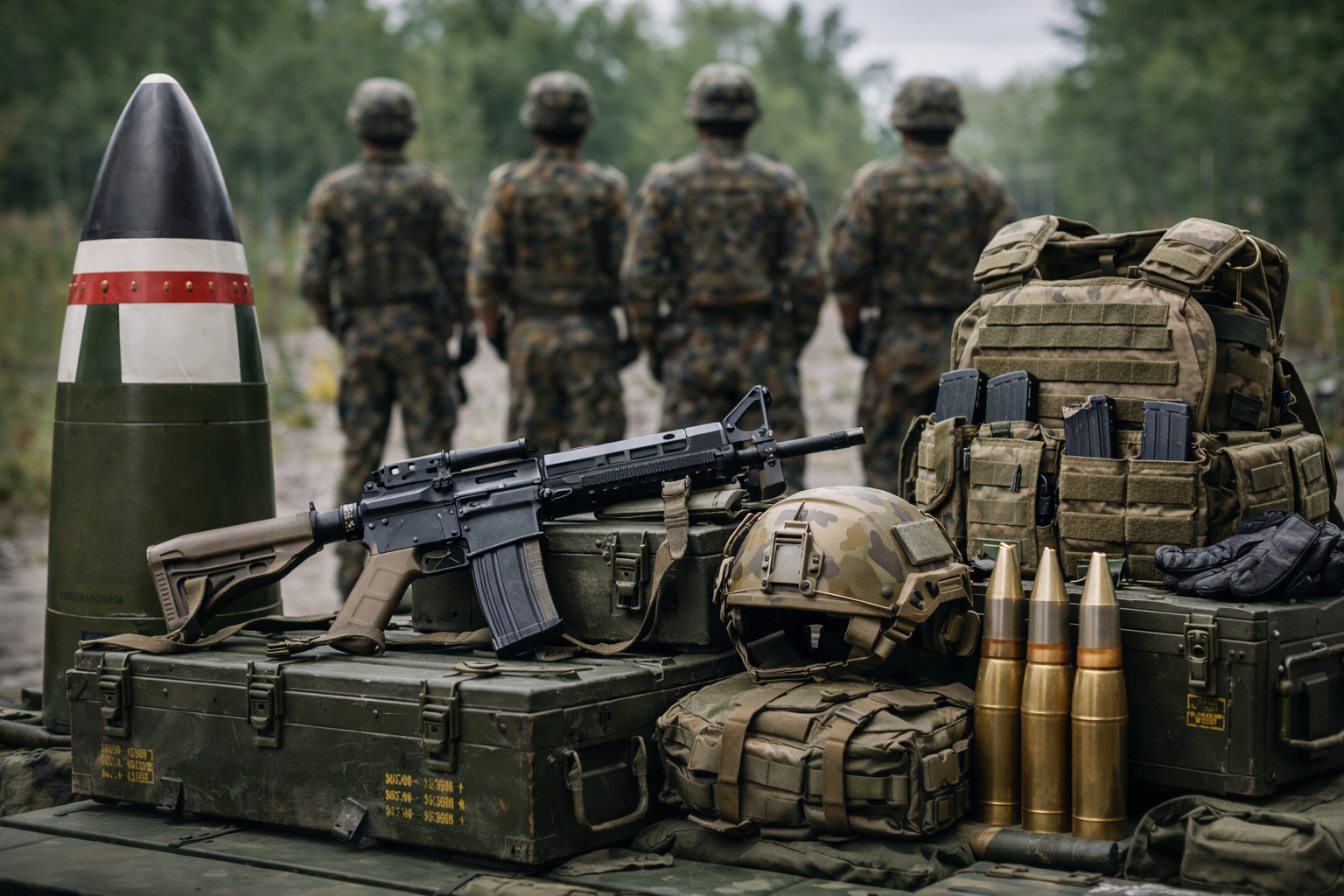
Defence equipment and ammunition are shown in a representative visual, reflecting the Emergency Procurement mechanism aimed at rapidly strengthening the armed forces’ operational preparedness. AI-generated Image via DALL·E

The Defence Acquisition Council (DAC) has extended the Emergency Procurement (EP) mechanism, a provision designed to strengthen the operational preparedness of the armed forces during urgent contingencies, sources said.
The decision comes as the government continues to prioritise rapid procurement pathways for critical defence equipment amid evolving security challenges.
What is the Emergency Procurement mechanism?
The Emergency Procurement provision was introduced following the May 2020 standoff with the Chinese People’s Liberation Army along the Line of Actual Control. It empowers defence authorities to procure equipment and services in situations of urgent or operational necessity.
The EP framework is intended for contingencies such as war or war-like situations, natural calamities, and other emergencies requiring immediate military readiness.
Why was the EP deadline extended?
Sources said the DAC meeting scheduled to consider multiple procurement proposals on Friday instead focused on the Emergency Procurement mechanism, with the broader agenda deferred to a later date.
The extension was necessitated by the time-bound nature of EP projects. Under existing rules, contracts approved under the EP route must be signed within six months of approval, and delivery must be completed within one year of the signing date. Several approved cases remain incomplete, necessitating additional time.
Who approves emergency procurement cases?
For Emergency Procurement (Capital) cases up to ₹300 crore, the Competent Financial Authority rests with the Vice Chiefs of Staff of the Indian Army, Indian Navy, and Indian Air Force. The delegation of financial powers is intended to expedite approvals and execution without procedural delays.
The DAC, chaired by the Defence Minister, remains the apex body for defence policy and capital acquisition. Its approval of an Acceptance of Necessity (AoN) marks the first step in the standard acquisition process.
How does emergency procurement fit into defence budgeting?
The defence budget for 2025–26 has been set at ₹6,81,210.27 crore, with ₹1,80,000 crore earmarked for capital acquisition. Capital expenditure covers the procurement of new systems and platforms, as well as the creation of military infrastructure.
Revenue expenditure, excluding salaries, is intended to meet sustenance and operational requirements. Emergency procurement projects draw from capital allocations but operate under accelerated timelines.
What is the broader significance of the EP mechanism?
The Emergency Procurement framework has become a critical tool for addressing capability gaps at short notice, particularly in high-threat environments. By enabling faster equipment acquisition and repair, the mechanism supports the armed forces’ ability to maintain readiness and respond to emerging operational requirements.
The extension signals the government’s continued reliance on flexible procurement routes to complement long-term acquisition programmes.