Pakistan-Afghanistan Conflict Intensifies As Kabul Witness Loud Explosions; Afghan Taliban Open To Talks
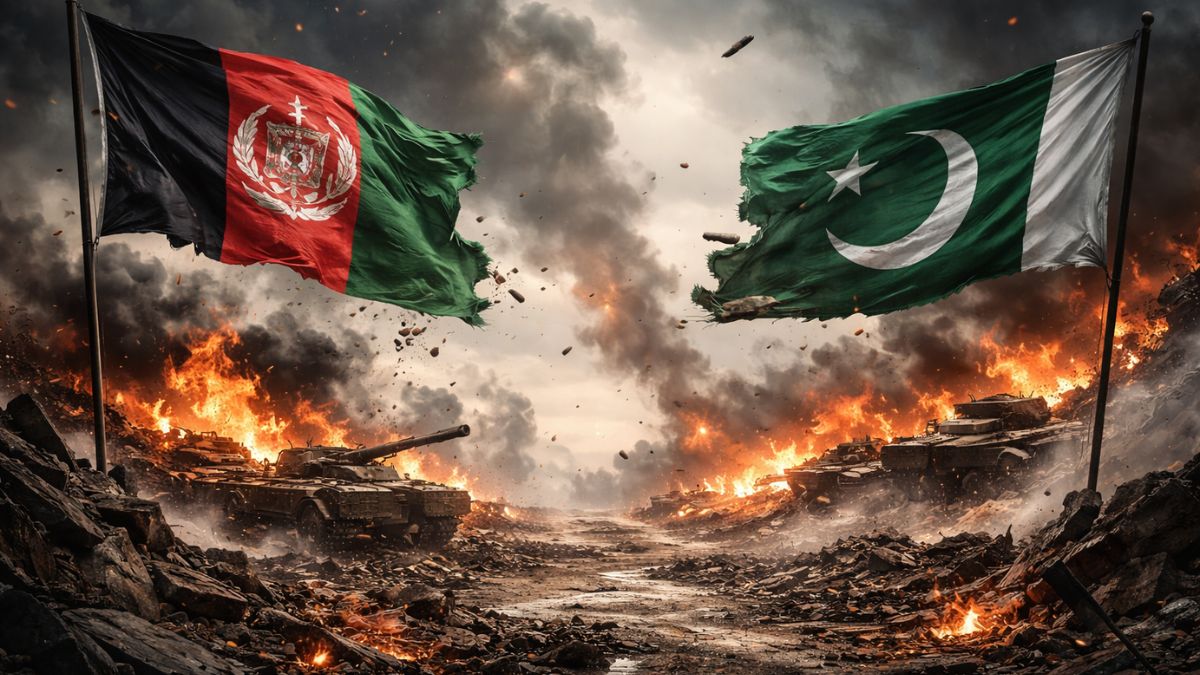
Russian Foreign Ministry spokeswoman Maria Zakharova said Moscow was concerned by the sharp military escalation. Image courtesy: AI-generated picture via Sora

After a brief pause, Pakistan and Afghanistan are at it again. Remember how tensions between both the neighbouring nations soared after Islamabad struck Kabul in October 2025. Now, both the sides are roiled up in similar action-reaction, with explosions rocking Afghanistan’s capital Kabul on Sunday morning (March 1, 2026).
The latest round of explosions came as cross-border hostilities between Pakistan and the Afghan Taliban intensified, marking one of the most serious escalations between the two neighbours in years. With airstrikes, drone attacks and artillery exchanges reported along the volatile frontier, the crisis has drawn international concern.
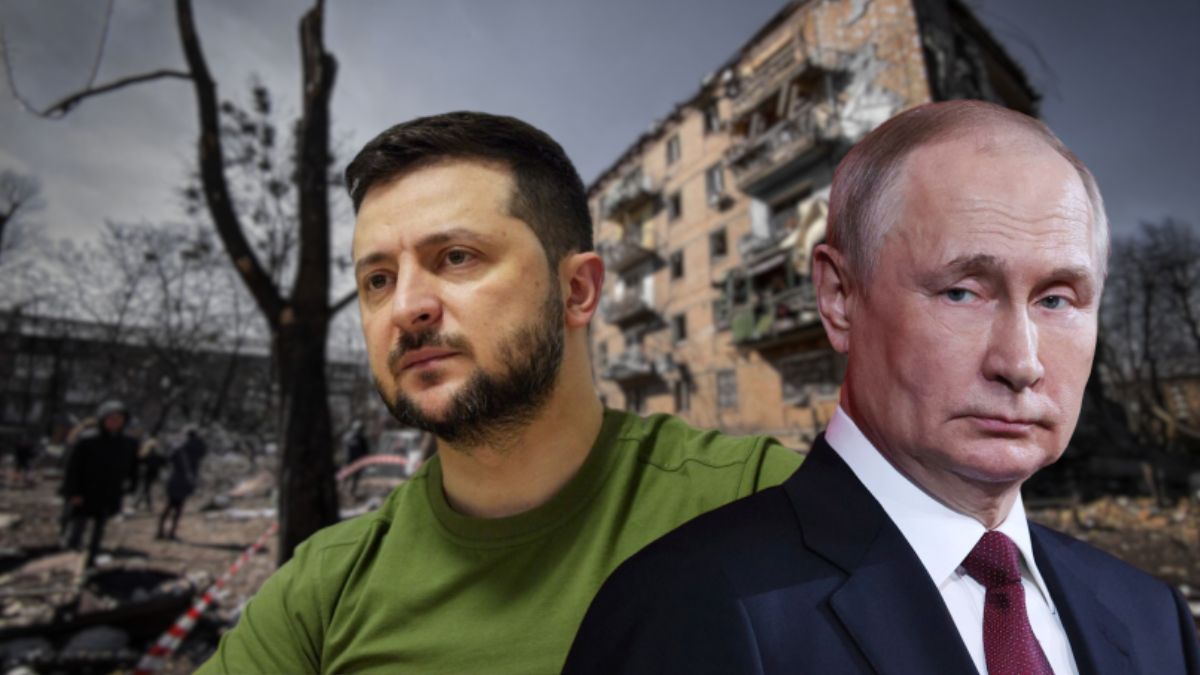
Pakistan-Afghanistan crisis even received an urgent call from Russia for both sides to step back from what Taliban officials have described as an “open war.”
Pakistan-Afghanistan tensions: What happened in Kabul?
Residents of Kabul reported loud explosions followed by gunfire early Sunday, with thick smoke seen rising from multiple locations. Taliban spokesperson Zabihullah Mujahid accused Pakistan of carrying out airstrikes not only in Kabul but also in Kandahar, the Taliban leadership’s traditional stronghold, as well as other provinces including Paktia, Paktika, Khost and Laghman.
Witnesses described scenes of panic as residents fled their homes. One Kabul taxi driver told news agency Reuters what appeared to be an ammunition depot was hit, triggering secondary explosions as stored ordnance detonated.
Pakistan security sources, however, described the operation as precision air-to-ground missile strikes targeting Taliban military offices and installations, calling it a retaliatory response to Afghan drone attacks launched earlier in the week.
Why are Pakistan and the Taliban fighting now?
The latest flare-up stems from longstanding tensions over Pakistan’s allegation that Afghanistan provides sanctuary to Tehreek-e-Taliban Pakistan (TTP) militants, a claim the Taliban government in Kabul has repeatedly denied. Islamabad has accused Afghan territory of being used to plan and launch attacks inside Pakistan, particularly in its northwestern border regions.
Kabul, however, insists it does not allow its soil to be used against other countries. The current escalation began with Pakistani airstrikes on Afghan territory last weekend. Afghan authorities responded with drone attacks targeting Pakistani military positions along the shared border. Since then, both sides have exchanged further strikes.
Taliban officials say civilian casualties were reported in the latest attacks, though no independently verified figures are available.
What are the reported casualties?
Both governments have issued sharply differing casualty claims. Pakistani officials have said their strikes killed 274 Taliban officials and fighters. Afghanistan, in turn, claimed that 55 Pakistani soldiers were killed in retaliatory actions. Pakistan has confirmed the deaths of 12 of its soldiers, while Afghanistan acknowledged losing 13 Taliban fighters.
These figures remain unverified and highlight the information warfare accompanying the military confrontation.
Despite the intensifying violence, Taliban spokesperson Mujahid said Kabul remains open to dialogue. “The Islamic Emirate of Afghanistan has always tried to resolve issues through dialogue, and now also we want to resolve this matter through dialogue,” he said.
However, continued cross-border strikes suggest that diplomatic channels, if active, have yet to produce de-escalation on the ground.
Russia urges a stop to fighting
Moscow has urged both sides to halt cross-border attacks immediately and return to diplomatic negotiations. Russia, which earlier became the first country to officially recognise the Taliban government, maintains working relations with both Kabul and Islamabad.
Kremlin spokesperson Dmitry Peskov said direct military clashes “do not bode well” and expressed hope that hostilities would cease soon. Russian Foreign Ministry spokesperson Maria Zakharova echoed that concern, calling on both countries to abandon the “dangerous confrontation.”
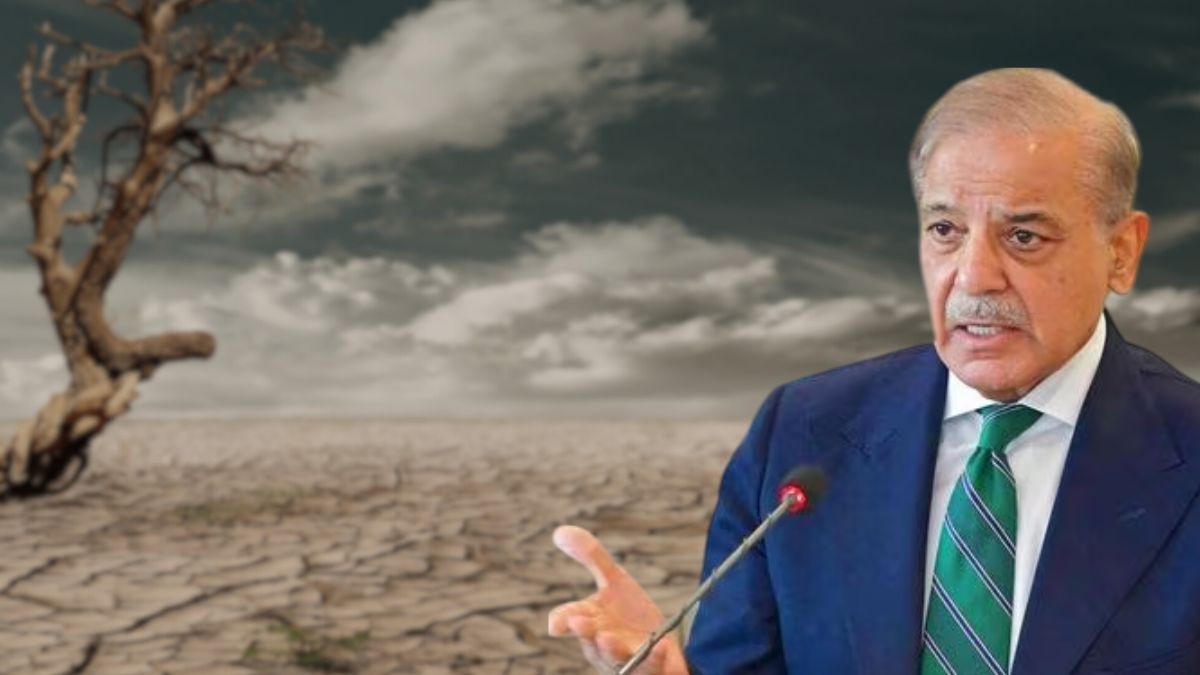
Adding a diplomatic dimension, Peskov confirmed that preparations are underway for a visit to Russia by Pakistani Prime Minister Shehbaz Sharif, signalling Moscow’s potential role as a mediator or strategic interlocutor.
What are the regional risks?
The Afghanistan-Pakistan border, long contested and volatile, is once again at the centre of a widening security crisis. Sustained clashes risk destabilising not just bilateral relations but also broader regional dynamics, including Central and South Asian security frameworks.
A prolonged confrontation could embolden militant networks, strain border populations and complicate regional connectivity initiatives. With airpower, drones and artillery now openly employed, the escalation marks a significant shift from sporadic skirmishes to direct state-level confrontation.