


US Congratulates India On Nuclear SHANTI Bill As Jaishankar, Rubio Talk Minerals, Energy, Bilateral Trade Ties
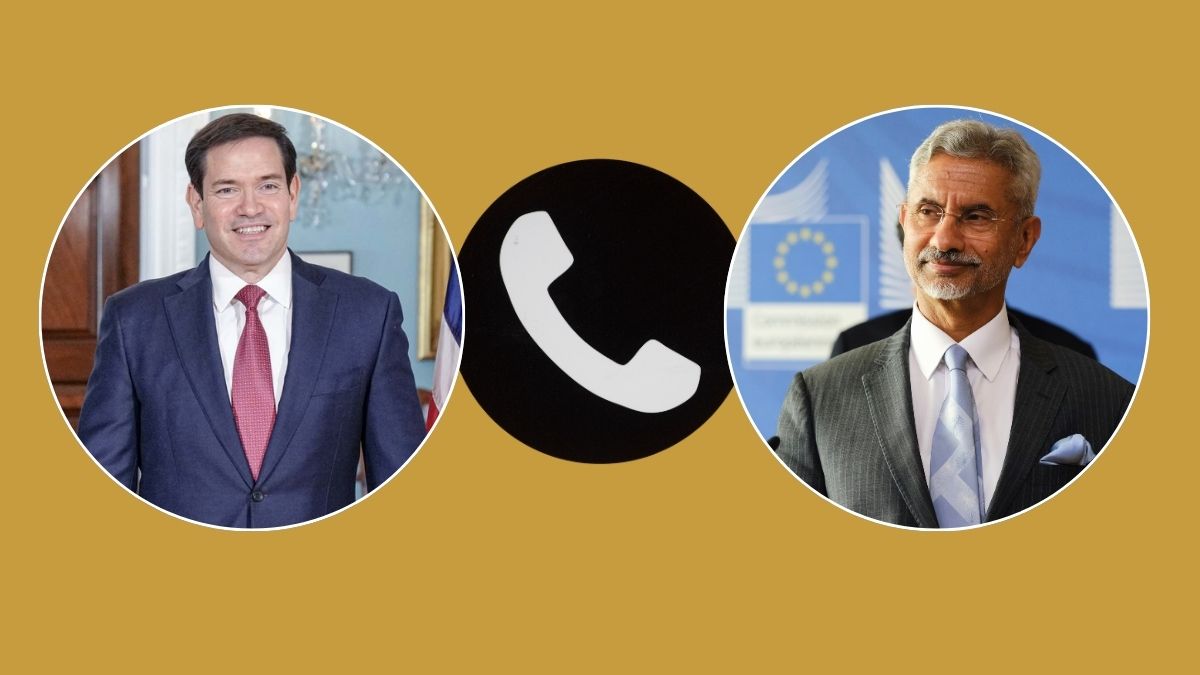
Rubio and Jaishankar discussed ongoing bilateral trade agreement negotiations, among other things. Image courtesy: RNA

Even as the bilateral ties between India and the United States might look strained against the backdrop of high tariffs and a long-pending trade deal, both sides continue to have high-level engagements. After newly appointed US Ambassador to India Sergio Gor’s conciliatory tone, External Affairs Minister S Jaishankar held wide-ranging talks with US Secretary of State Marco Rubio.
The two discussed trade, critical minerals, energy, defence and nuclear cooperation. Jaishankar and Rubio’s conversation comes at a sensitive moment for the India-US relationship, as stalled trade negotiations, tariff tensions and investor concerns have weighed on economic ties between the two major economies.
Notably, Jaishankar-Rubio talks came a day after Gor said that trade negotiators would speak as early as Tuesday (January 13, 2026), and that India would be invited to the US-led strategic initiative Pax Silica.
Jaishankar-Rubio call: Trade, critical minerals take centre stage
In a post on X, Jaishankar said the two leaders had just concluded a “good conversation,” highlighting discussions on trade, critical minerals, nuclear cooperation, defence and energy. “Discussed trade, critical minerals, nuclear cooperation, defence and energy. Agreed to remain in touch on these and other issues,” he stated.
The emphasis on critical minerals is particularly significant as both countries seek to reduce dependence on China-dominated supply chains and secure inputs essential for electronics, clean energy and advanced manufacturing.
Interestingly, Union Electronics and IT Minister Ashwini Vaishnaw also took part in a ministerial-level meeting on critical minerals in Washington on Tuesday. Following the meeting, Vaishnaw underscored the urgency of building resilient supply chains at a time when global manufacturing, particularly electronics in India, is expanding.
Why Jaishankar-Rubio talks matter now
India and the US have set an ambitious goal of more than doubling bilateral trade to $500 billion by 2030. New Delhi has also pledged to increase purchases of US energy and defence equipment to help narrow the trade deficit.
However, trade talks last year failed to yield an agreement, a setback that pushed the Indian rupee to a record low and unsettled investors awaiting clarity on the future of India–US economic engagement. Latest talks are being seen as an effort to restore the lost or slowed momentum.
India-US nuclear cooperation gets a boost
According to the US State Department, Secretary Rubio congratulated India on its recent move to end decades of state control over nuclear power, calling it a landmark reform. Rubio expressed Washington’s interest in expanding US–India civil nuclear cooperation and opening new opportunities for American companies in India’s nuclear energy sector.
Defence, energy and Indo-Pacific alignment
The State Department said the two sides discussed ongoing bilateral trade agreement negotiations and reaffirmed their shared interest in strengthening economic cooperation.
They also exchanged views on regional development and reiterated a joint commitment to a free and open Indo-Pacific, underlining the strategic dimension of the partnership even as economic issues remain unresolved.
Trade talks tough, but India-US ties run deep
Meanwhile, the renewed diplomatic engagement follows recent remarks by US Ambassador-designate to India Sergio Gor, who acknowledged that finalising a trade deal is “not an easy task” but said both sides remain determined to take negotiations to the finish line.
Gor has also sought to downplay recent frictions by stressing the personal rapport between President Donald Trump and Prime Minister Narendra Modi, describing their relationship as “anchored at the highest levels” and resilient despite policy disagreements.