

Trump Administration Claims Iran War Ended During Ceasefire, $25 Billion Spent on Military Operations
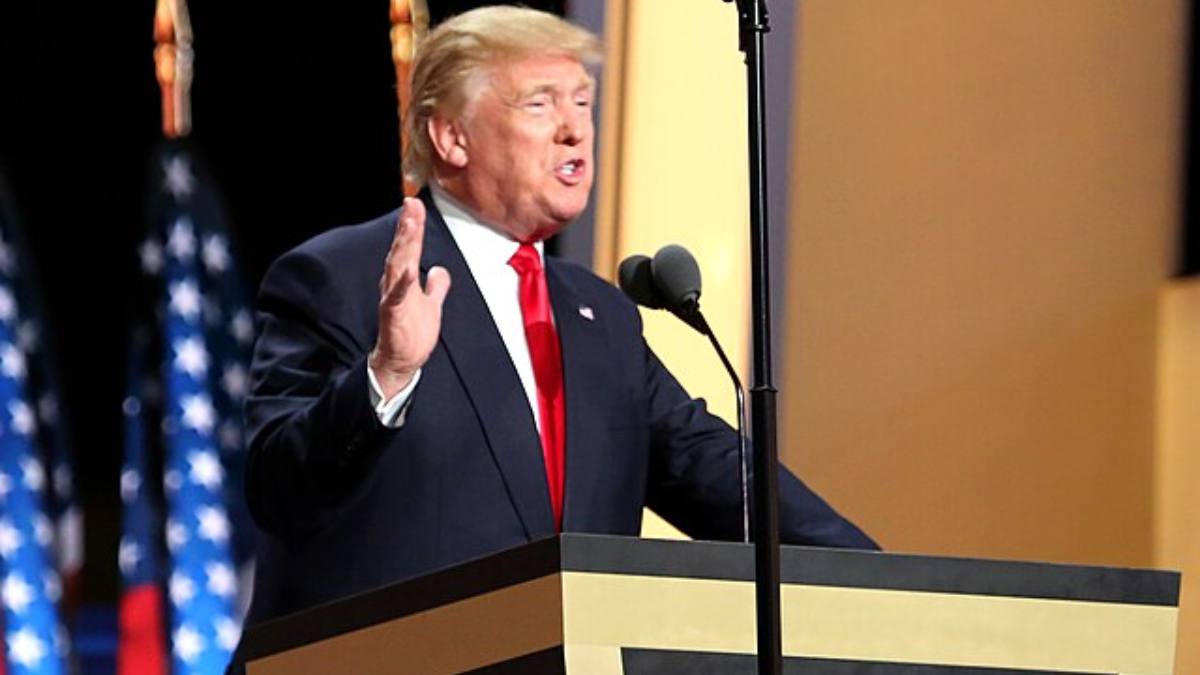
Trump Iran War Ceasefire. Image courtesy: Wikimedia

The Trump administration, on Thursday (April 30, 2026), claimed that the US-Iran ceasefire since early April “terminated” hostilities, ahead of an approaching Congressional war powers deadline.
The deadline to end the war with Iran ended on Friday (May 1), and would have forced the Trump administration to make a fresh case for war before Congress.
With such a submission from a Trump administration official, the course of the Iran war would not alter at all. “For War Powers Resolution purposes, the hostilities that began on Saturday, February 28, have terminated,” the official said, indicating what the administration thought on the matter.
The US and Iran agreed on a ceasefire three weeks ago, but the pause in the war seemed fragile after their peace talks in Islamabad two weekends ago failed, and since then, the US Navy has enforced a blockade of Iranian ports, threatening to reignite the war.
Earlier, it was expected that President Trump would notify Congress of a 30-day extension or ask it to disregard the deadline. The 1973 law allows the President 60 days to wage military action before ending it, seeking Congress’s authorisation, or asking for a 30-day extension on the grounds of “unavoidable military necessity” for the armed forces’ safety.
Two days after the Iran war began, Trump invoked the 1973 law to notify Congress, triggering the 60-day deadline that ended on May 1.
US War Secretary Pete Hegseth told a Senate hearing on Thursday (April 30) that he understood that the 60-day clock stopped during the ceasefire. Opposition Democrats disputed that claim, saying there was no such legal provision.
Under the US Constitution, only Congress, and not the President, can declare war. But the restriction does not apply to military operations that the administration begins as a short-term measure or to counter an immediate threat.
Trump’s Republicans hold a majority in both chambers of Congress. Democrats have unsuccessfully tried to pass resolutions to force Trump to withdraw US forces or obtain Congressional authorisation since the war began on February 28.
Meanwhile, a Pentagon official said on Wednesday (April 29) that the war on Iran had cost $25 billion so far, providing the first estimates of the conflict’s expenditure. The $25 billion cost is equal to the entire NASA budget this year.
With six months before the midterm election, in which Trump’s Republicans may face an uphill task to keep their House majority, Democrats are riding high in opinion polls as they attempt to link the unpopular Iran war with affordability.
Jules Hurst, who is performing the duties of the comptroller, told lawmakers on the House Armed Services Committee that most of that money was for munitions.
Hurst did not detail what that cost estimate included and whether it took into account the projected costs of rebuilding and repairing base infrastructure in West Asia damaged in the conflict.
Rep. Adam Smith, the top Democrat on the House Armed Services Committee, responded to Hurst: “I’m glad you answered that question. Because we’ve been asking for a hell of a long time, and no one’s given us the number.”
But it is unclear how the Pentagon arrived at the $25 billion, given that media reports had claimed the first six days of the war had cost at least $11.3 billion.
Hegseth told lawmakers that the cost was justified given the US goal of ensuring Iran would not have a nuclear weapon. “What would you pay to ensure Iran does not get a nuclear bomb? What would you pay?” Hegseth asked.