A Post, A Pattern, A Problem: Why Iran Doubts Pakistan’s Neutrality
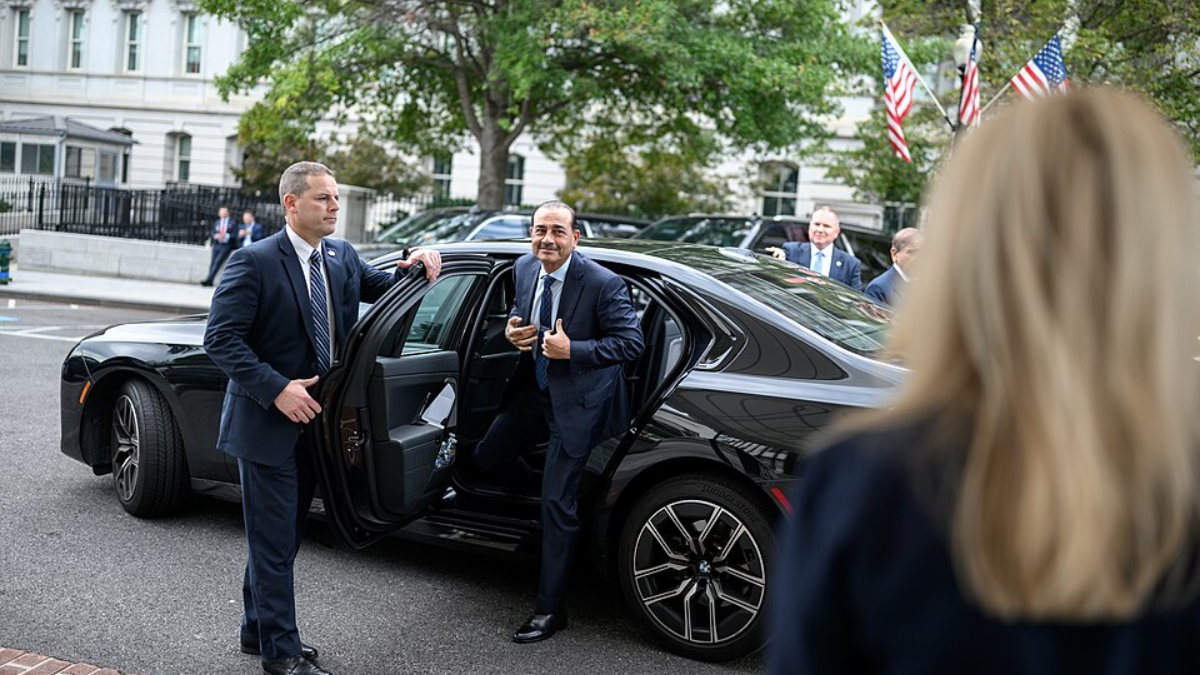
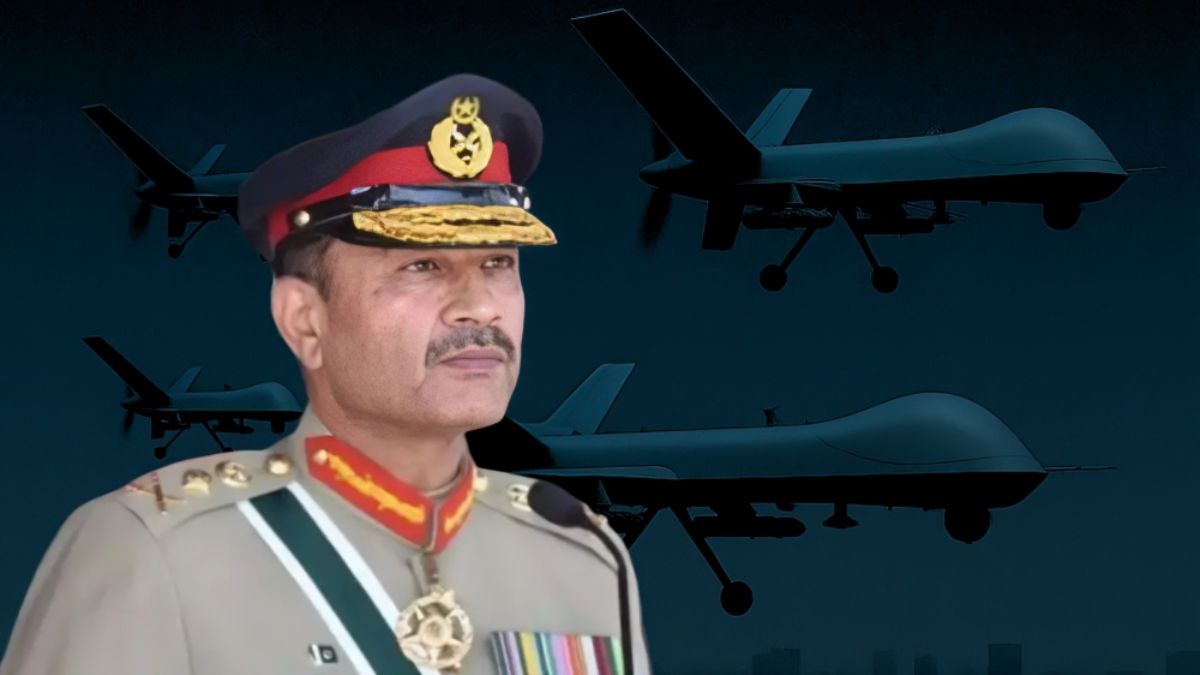
Asim Munir Iran Allegations. Image courtesy: Wikimedia

The credibility of Pakistan’s mediation has come under serious pressure. Iranian state media has accused Field Marshal Asim Munir of playing a “double game,” while an Iranian MP publicly called Pakistan an “unfit mediator.” Tehran has alleged that Islamabad has been more effective at channelling US positions toward Iran than at pressing American demands in the other direction — a charge that cuts to the heart of what neutral mediation requires.
The specific grievance is well-documented, if contested. In March 2026, Pakistani officials delivered a 15-point US proposal to Iran, covering demands including an end to nuclear enrichment, limits on ballistic missiles, reopening of the Strait of Hormuz, and restrictions on Iranian support for regional armed groups. Iran rejected the proposal.
Tehran alleges it received no meaningful Pakistani pushback on the US terms and that Pakistan did not convey Iranian counter-positions to Washington with equivalent force. Iran submitted its own 10-point plan, which Trump acknowledged as “a workable basis” before talks stalled, and a separate 5-point counterproposal. From Tehran’s perspective, Pakistan functioned as a courier for US demands rather than a genuine broker working to narrow the gap between the two sides.
Pakistan has not directly addressed this characterization. Analysts following the talks have noted that mediation of this kind does inherently require carrying both sides’ concerns faithfully — and that a mediator which transmits one side’s demands more effectively than the other is making a choice, whether consciously or as a reflection of structural constraints.
Pakistan’s core limitation is well understood it can facilitate communication but cannot compel Washington to soften its positions. This is less a “double game” than a structural asymmetry — Pakistan has leverage with Tehran, built on geography, religious ties, and a shared border, but far less ability to push back on a US administration whose trust it has carefully cultivated.
Iran’s frustration is reinforced by broader context. Pakistan deployed fighter jets to Saudi Arabia in April 2026 under its Strategic Mutual Defence Agreement, even as it was hosting ceasefire talks. Foreign Minister Ishaq Dar personally warned Iranian officials early in the conflict that Pakistan was bound by its obligations to Riyadh. Field Marshal Munir flew to Riyadh in early March to discuss measures to halt Iranian strikes on Saudi Arabia under the pact’s framework.
These are not subtle signals, they reflect the structural reality that Pakistan is treaty-bound to a country Iran has been striking. Pakistan has tried to manage this tension: Dar secured Iranian assurances that Saudi territory would not be used to launch attacks on Iran, and Pakistan has publicly condemned both the US-Israeli strikes on Iran and Iranian strikes on Gulf states. But the balancing act is visible, and Tehran has noticed every element of it.
One claim in circulation — that Pakistan F-16s were active during US strike periods in ways that raised Iranian suspicion — is substantially inaccurate as reported. The documented mobilization of Pakistani F-16s and JF-17s was an escort mission for the Iranian delegation traveling to Islamabad for talks, providing a protective air corridor over Iran and the Persian Gulf. Indian media reported on this; it was a protective measure for Iranian officials, not a gesture of support for US operations.
The tensions have domestic dimensions as well. When protests erupted in Karachi following news of Supreme Leader Ali Khamenei’s assassination on February 28, 2026, in the US-Israeli strikes, they illustrated how deeply regional events reverberate inside Pakistan and how difficult sustained neutrality is for a country with Pakistan’s demographic and political landscape.
What makes this picture complicated is that Iran has continued to engage Pakistan even while criticizing it. Iran’s ambassador to Pakistan said, in the middle of this period, that Tehran would do “talks in Pakistan and nowhere else, because we trust Pakistan.” Araghchi has returned to Islamabad repeatedly, most recently on April 26, conveying Iran’s written positions to Pakistani mediators for relay to Washington.
Tehran’s frustration is real, but its conclusion is not that Pakistan is hopelessly compromised — it is that Pakistan’s mediation has limits that Iran finds costly and that need to be plainly acknowledged.
The underlying dynamic is structural, not conspiratorial. Pakistan’s alliance architecture leans toward Iran’s adversaries; its personal relationships with the Trump administration are strong; its ability to constrain US decision-making is limited. These are facts of Pakistan’s geopolitical position, not evidence of bad faith. Iran’s legitimate criticism is that Pakistan should either honestly represent these constraints or find ways to apply greater pressure in both directions.
What it should not do — and what some Iranian officials believe it has done — is present itself as a fully neutral broker while operating within a framework that makes genuine symmetry impossible.