In Pics: IAF Chief AP Singh Flies F-15EX Eagle II In US Signalling Deepening India-US Air Power Ties
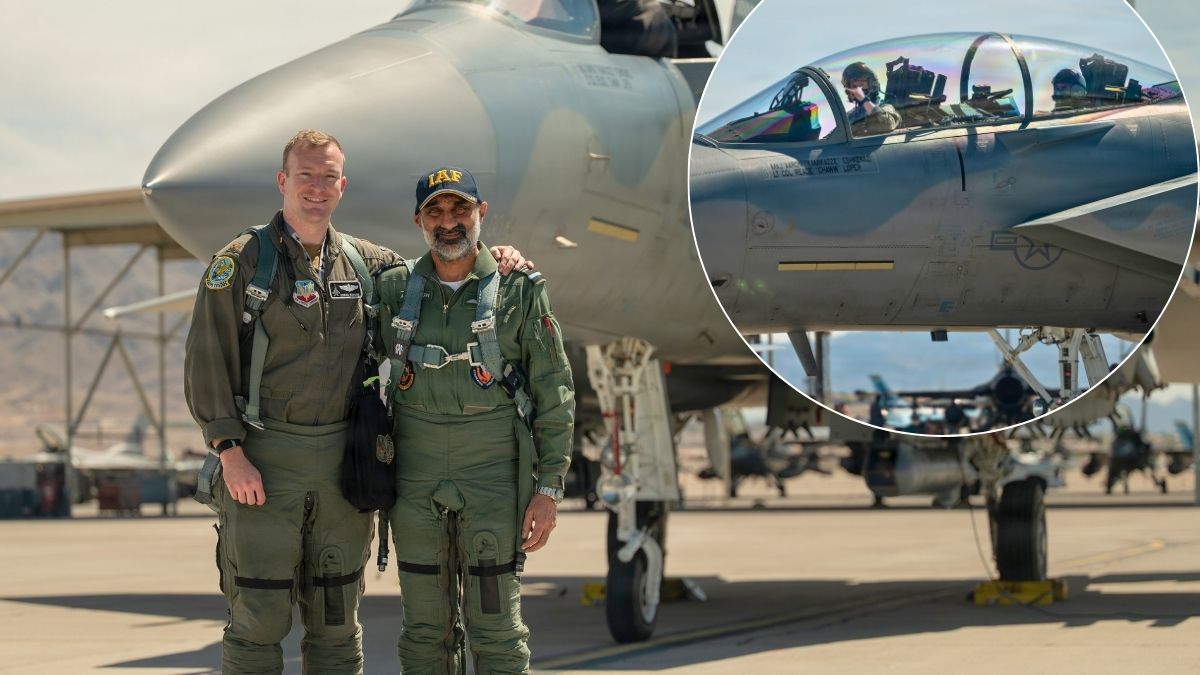
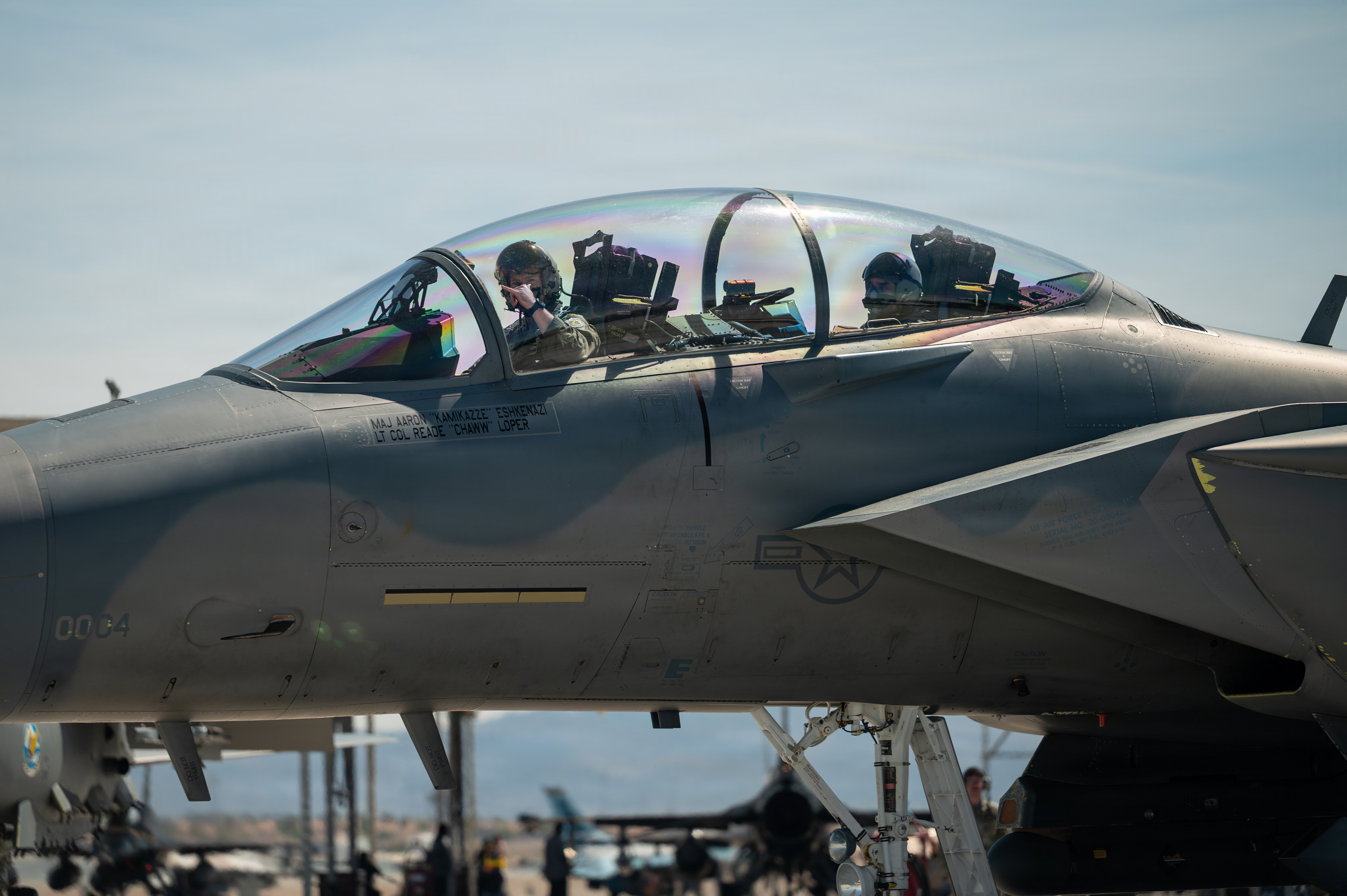
The flight formed part of Air Chief Marshal Singh’s broader visit to Nellis Air Force Base, a key centre for advanced combat training and operational testing for the US Air Force. Image courtesy: RNA

In a major defence engagement highlighting growing India-US military cooperation, Indian Air Force Chief Air Chief Marshal Amar Preet Singh undertook a familiarisation flight in a Boeing F-15EX Eagle II fighter aircraft at Nellis Air Force Base in Nevada on his recent visit to the country earlier this month.
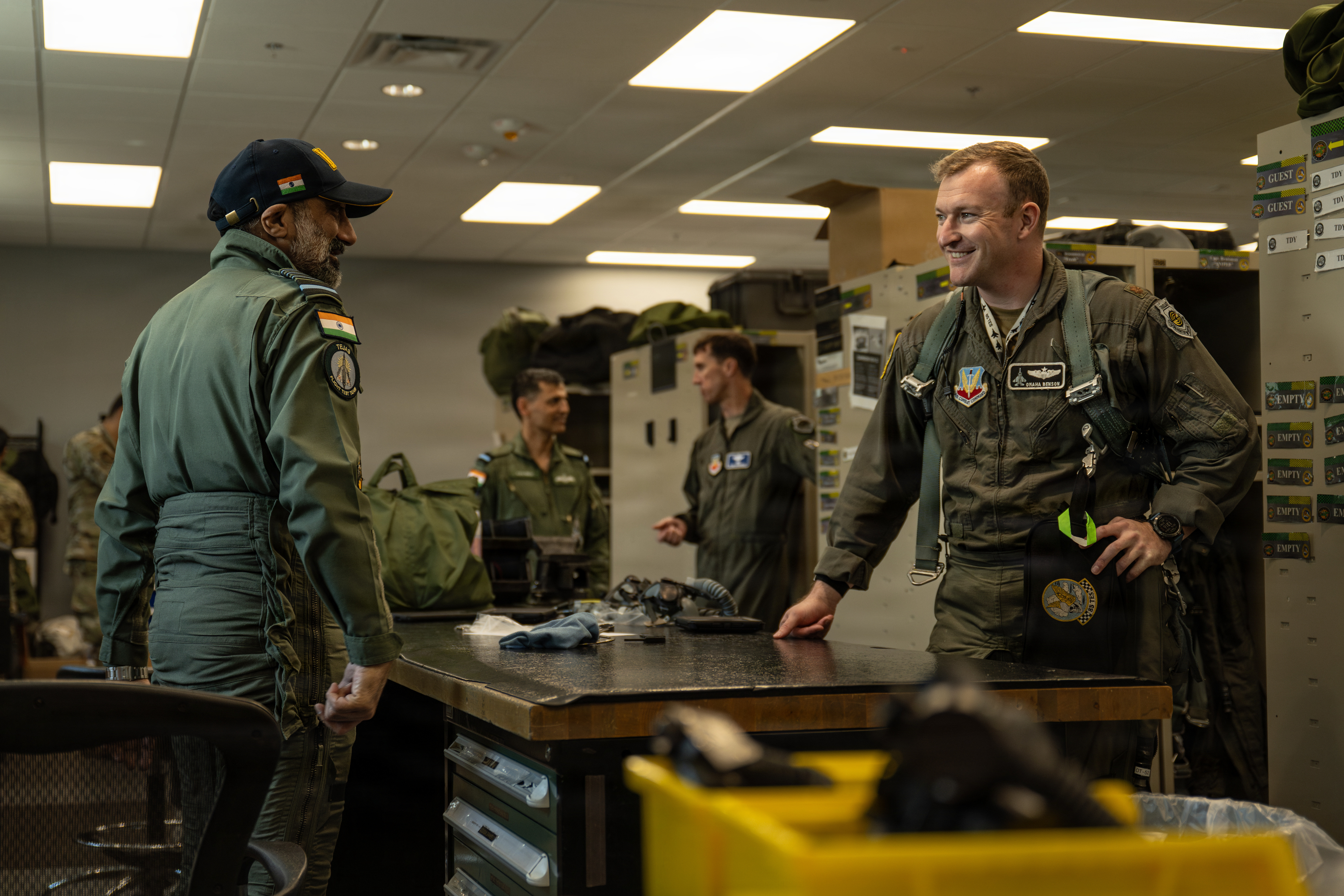
ACM Singh flew alongside US Air Force Major Matthew Benson of the 85th Test and Evaluation Squadron, gaining first-hand experience of one of America’s most advanced fighter platforms. The sortie, on April 9, 2026, is being seen as a significant step in enhancing operational understanding and interoperability between the two air forces, especially at a time of heightened global tensions and evolving air combat doctrines.
Notably, the F-15E Strike Eagle, on which the F-15EX is based, has been extensively used by the US for deep-strike operations during the ongoing conflict with Iran.
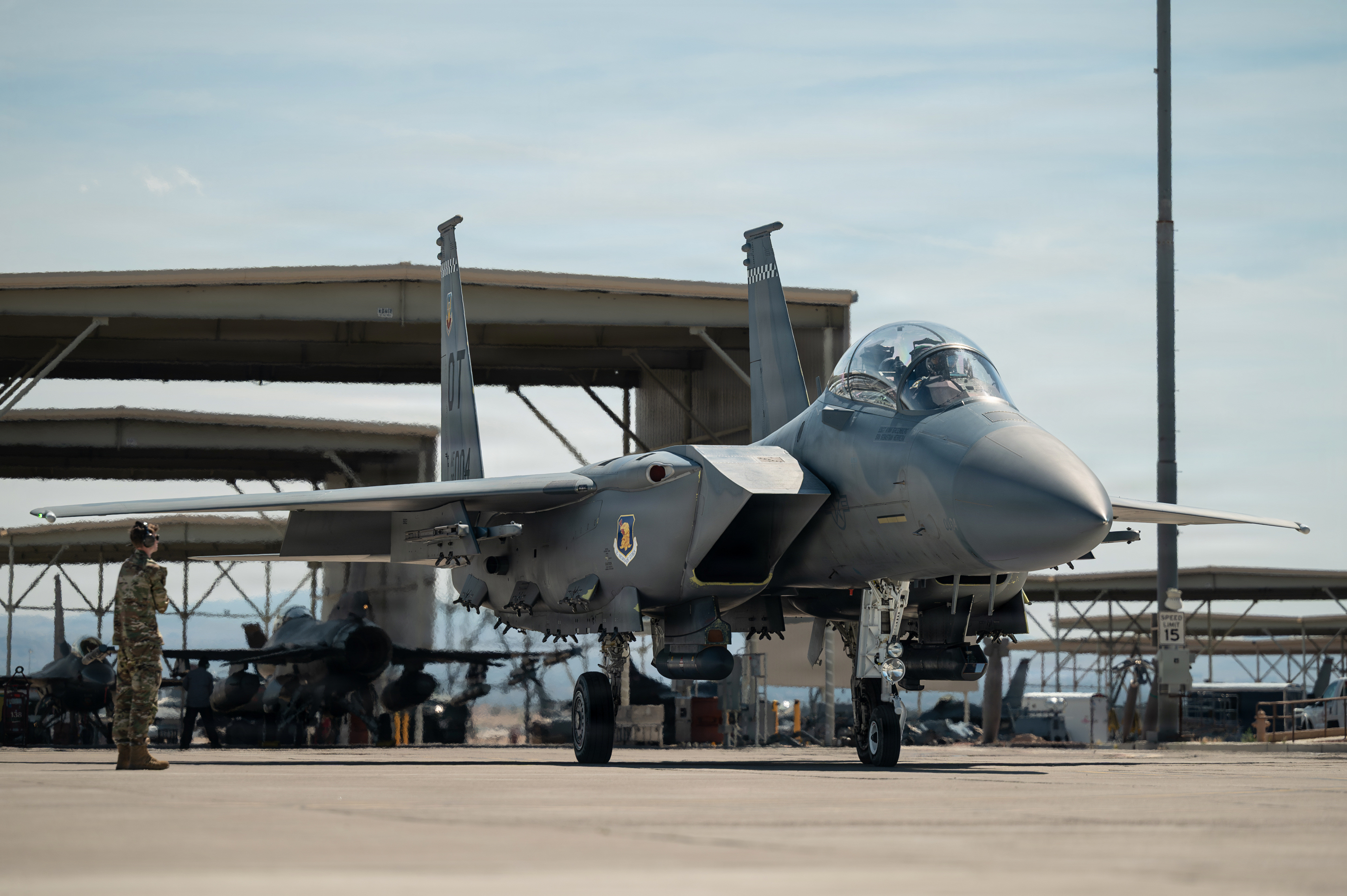
IAF chief F-15EX Eagle II sortie
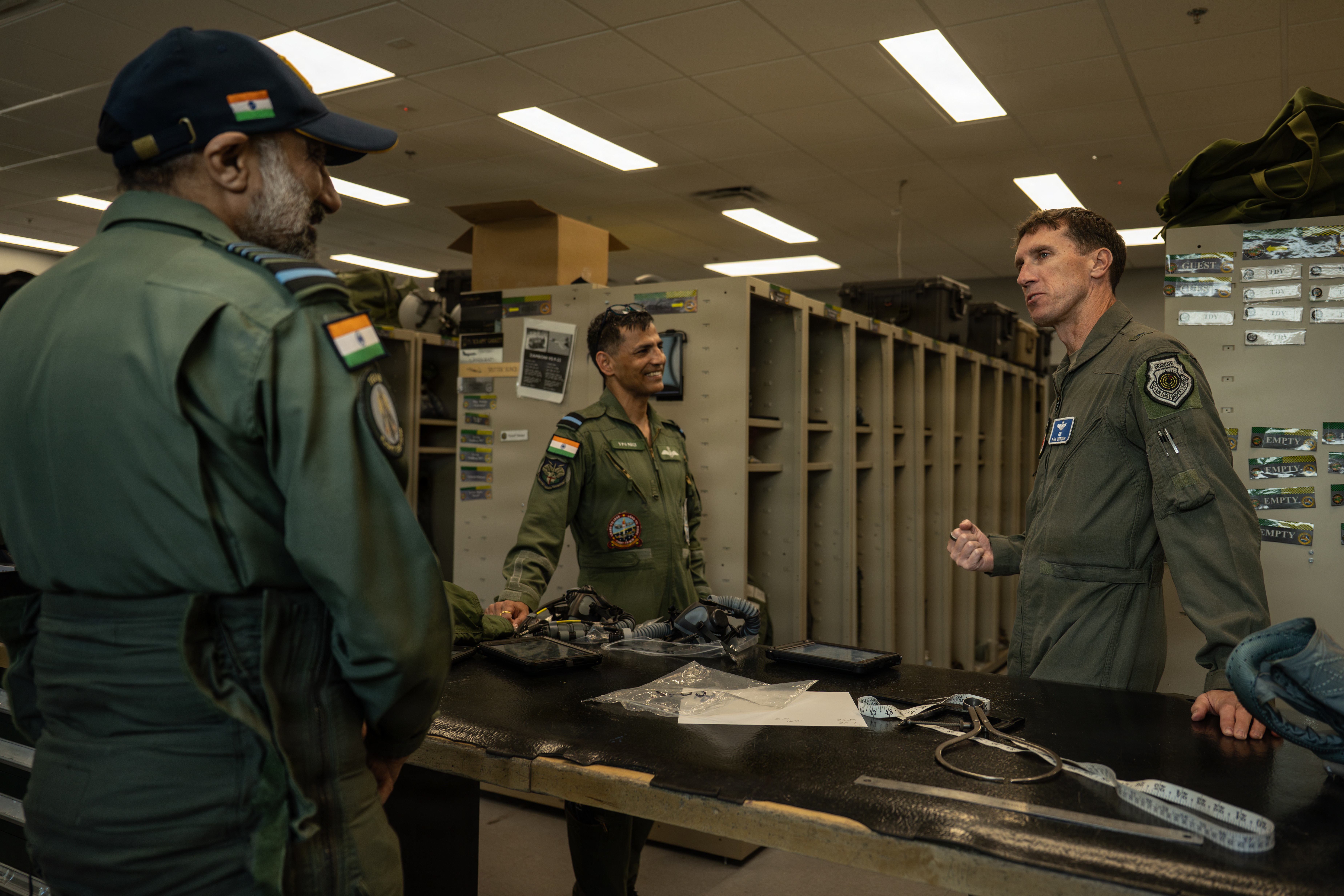
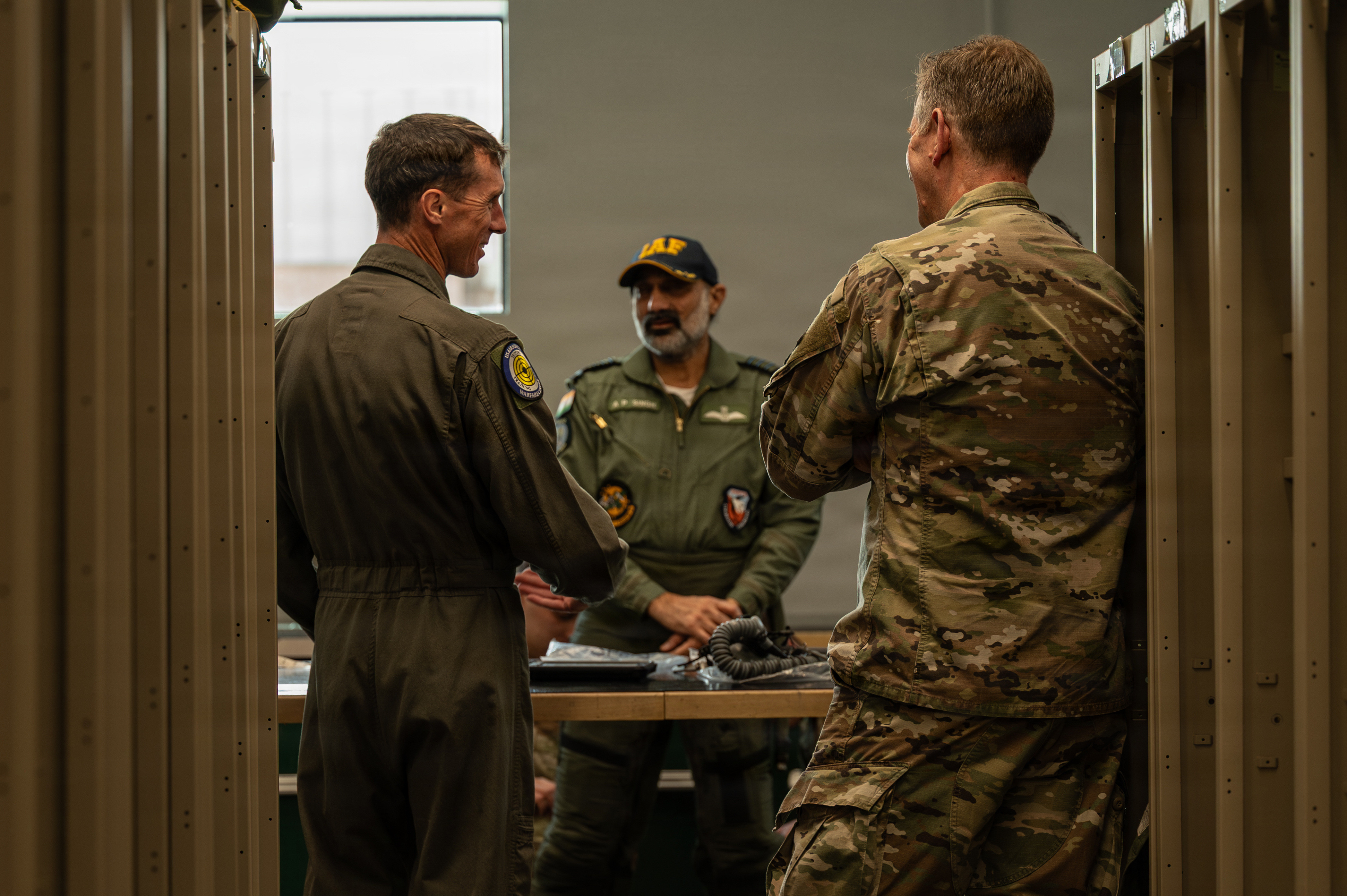
The sortie was part of a wider high-level visit by the IAF Chief to key US defence establishments, including Nellis Air Force Base, one of the US Air Force’s premier centres for advanced combat training and operational testing.
During the visit, ACM Singh held discussions with senior US Air Force officials, including Brigadier General David C Epperson, commander of the US Air Force Warfare Center. Air Commodore Yeshpal Singh Negi was also part of the Indian delegation.
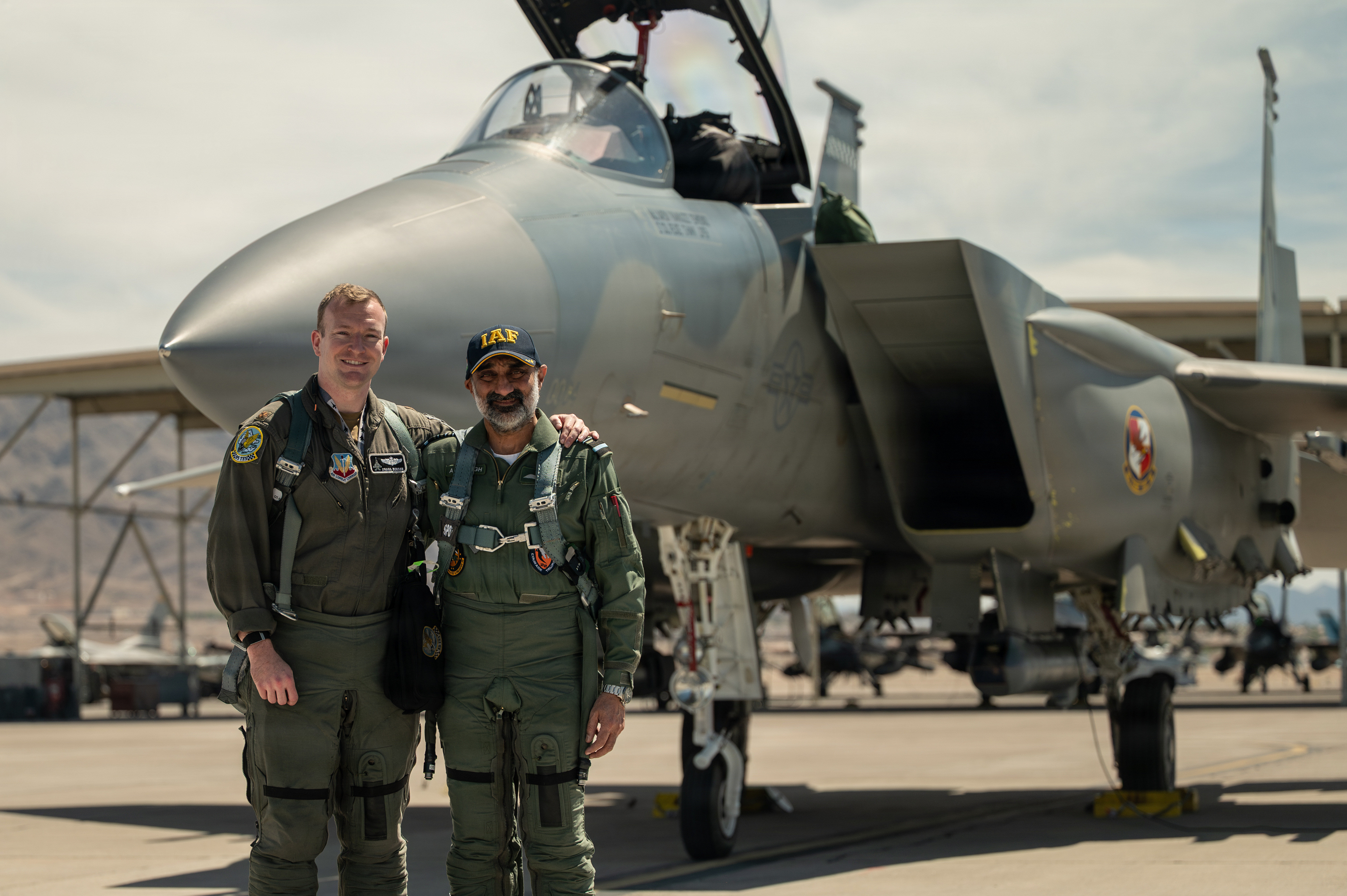
Talks focused on expanding joint exercise opportunities, aligning modernisation efforts, and strengthening interoperability between the two forces. The discussions also emphasised improving coordination in joint operations, sharing best practices, and enhancing mutual understanding of advanced technologies and combat systems, particularly in the Indo-Pacific theatre.
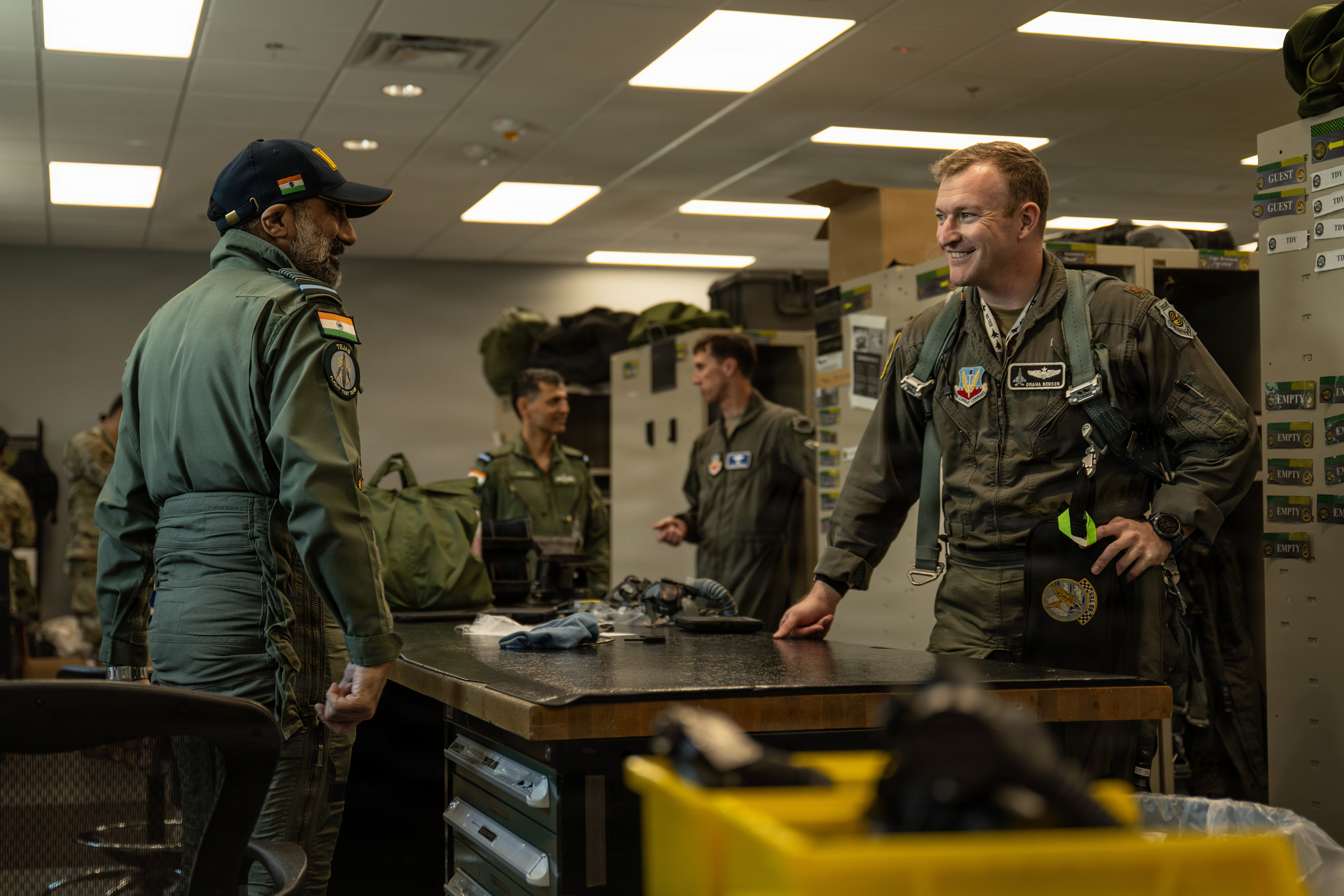
On April 10, US Air Force Chief of Staff Gen. Ken Wilsbach hosted ACM Singh at the Pentagon. The two leaders discussed mutual aid and future cooperation, with US officials highlighting India’s central role in ensuring a “free, open, peaceful and prosperous Indo-Pacific region.”
General Wilsbach praised India’s participation in multilateral exercises and stressed that expanding such cooperation is key to enhancing regional deterrence. He also welcomed India’s procurement of MQ-9B Sky Guardian aircraft and reaffirmed US support for Indian Air Force modernisation through defence industrial collaboration.
What are the key capabilities of the F-15EX Eagle II?
The F-15EX Eagle II represents the latest evolution of the iconic F-15 platform, designed to dominate modern air combat with advanced technology and high payload capacity.
The aircraft boasts a top speed of Mach 2.5 and a service ceiling of 50,000 feet, with a payload capacity of up to 29,500 pounds (13,381 kilograms). It also features a service life exceeding 20,000 hours, making it a durable and long-term asset.
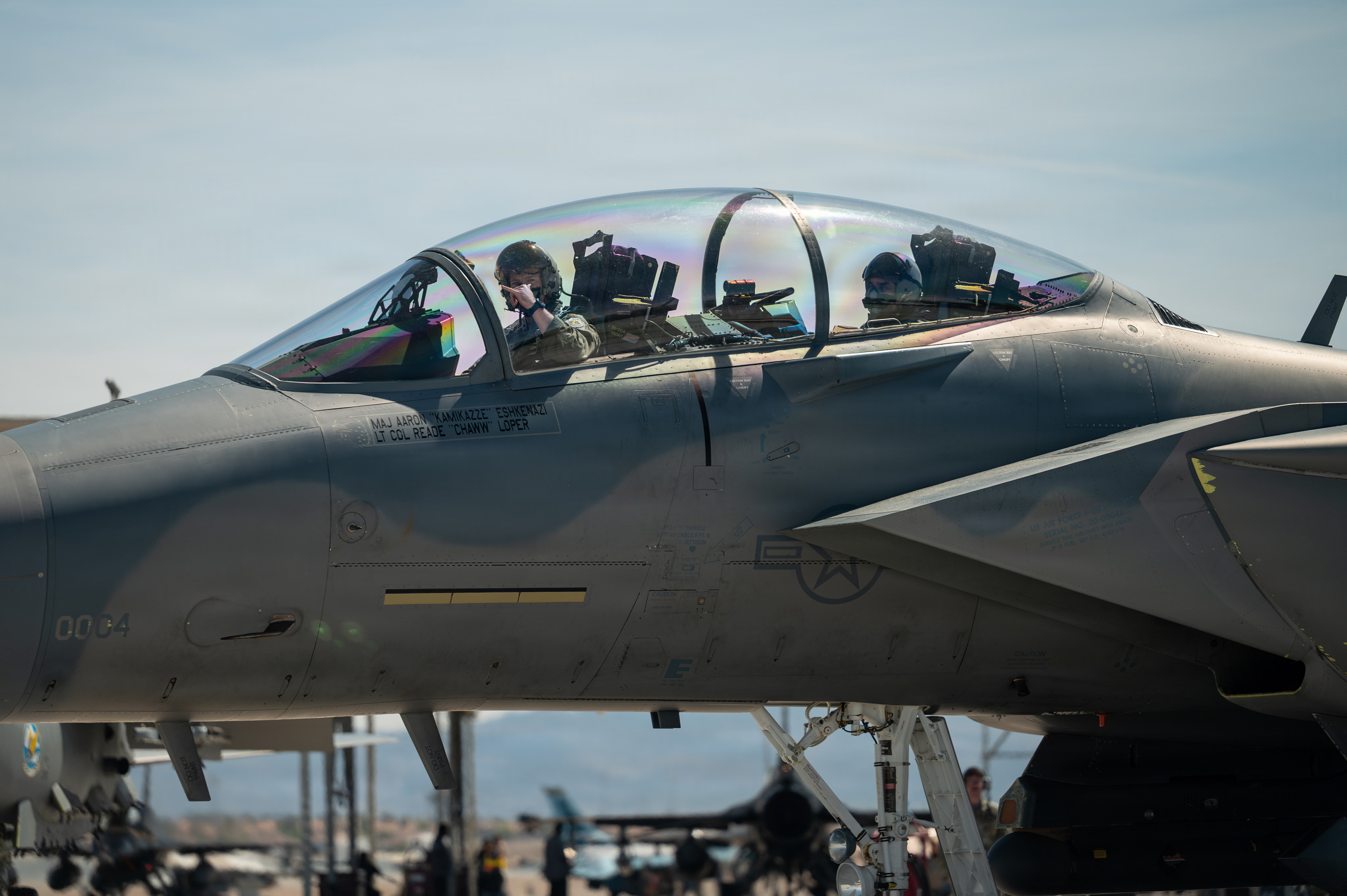
Equipped with digital fly-by-wire controls and an all-glass cockpit, the F-15EX integrates advanced mission systems and open architecture software. Its Active Electronically Scanned Array (AESA) radar and the Eagle Passive Active Warning Survivability System (EPAWSS) provide cutting-edge electronic warfare capabilities, enabling operations in highly contested environments.
The fighter can carry up to 12 AMRAAMs and is capable of supporting hypersonic weapons, significantly enhancing its strike potential. Its combination of long range and heavy payload allows it to execute a wide spectrum of missions, including massed missile strikes and precision standoff attacks.
Why is this engagement crucial amid global tensions?
The visit and the high-profile sortie come at a time when global security dynamics are rapidly evolving, particularly with ongoing conflicts in West Asia and increasing focus on Indo-Pacific stability.
The F-15EX is described by the US as “one of the platforms essential to the collaborative defense of the Indo-Pacific,” underlining its strategic importance. ACM Singh’s exposure to such platforms signals India’s intent to stay aligned with cutting-edge military technologies while strengthening partnerships with key allies.