
Crude Oil, Petrol, Diesel, ATF Inventories For Over 60 Days: Rajnath Singh Leads 4th IGoM, Reviews Preparedness
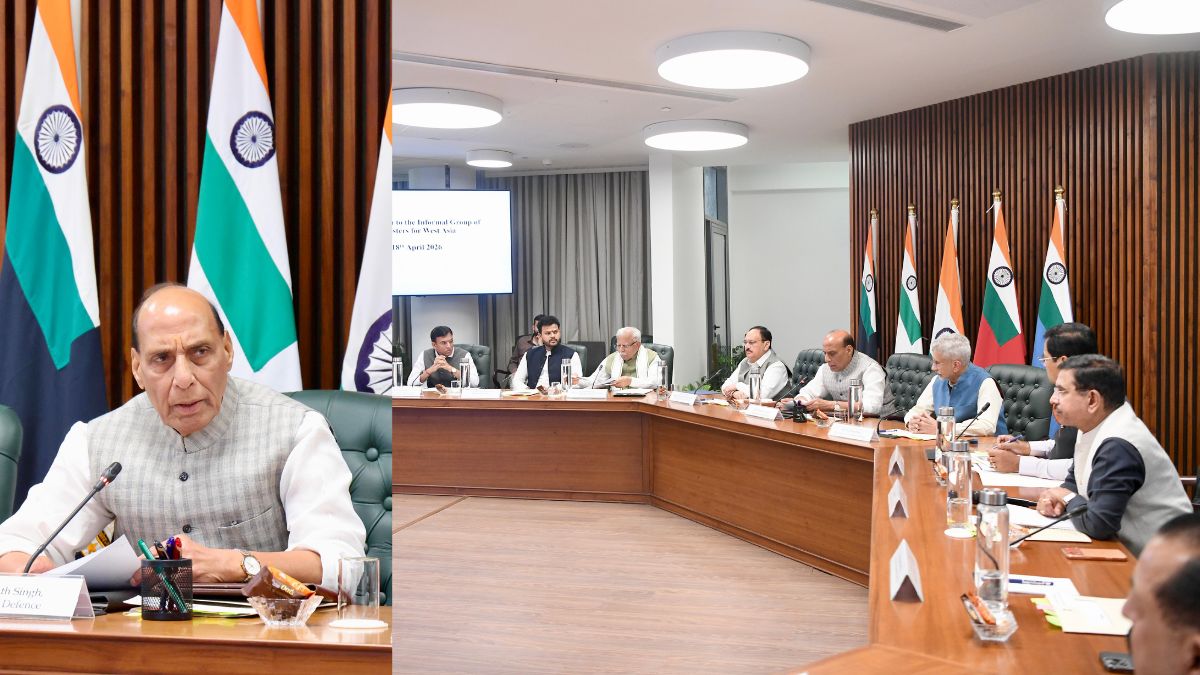
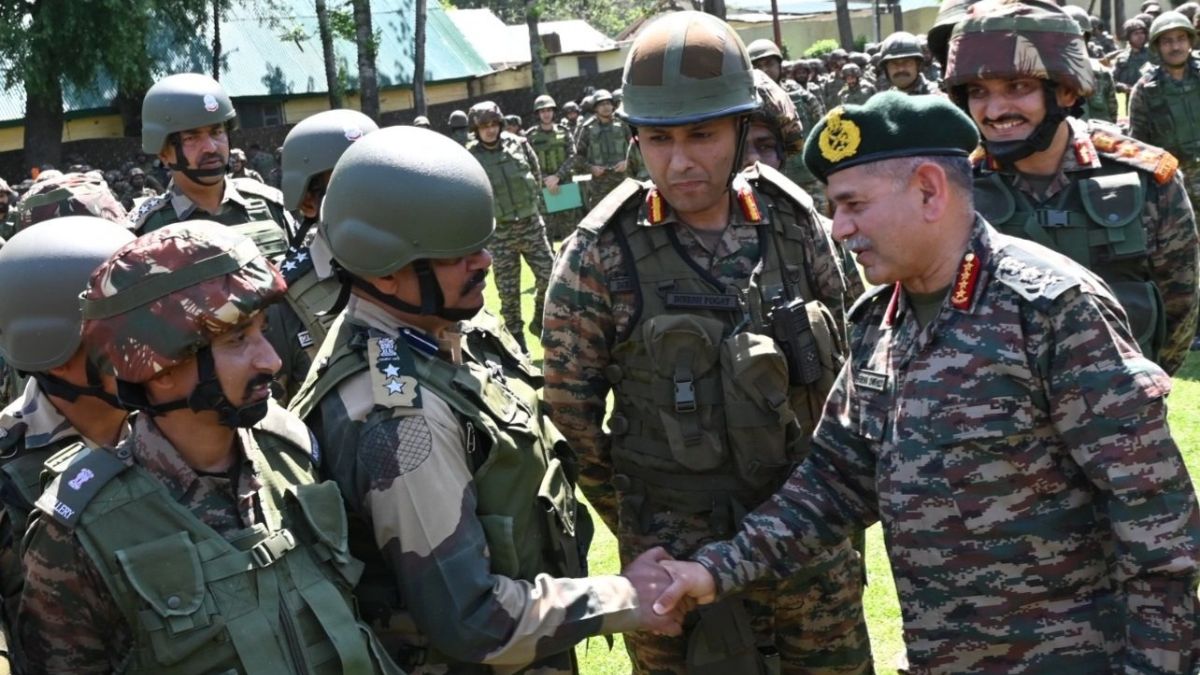
The IGoM was informed that despite a significant global supply shock, India has maintained adequate fuel stock position. Image courtesy: RNA

Amid the continuing tensions in West Asia and disruptions in global energy and shipping routes due to the Strait of Hormuz blockade, India’s top ministers gathered in New Delhi to assess the situation and chart the country’s response. The fourth meeting of the Informal Group of Ministers (IGoM) took place on Saturday (April 18, 2026).
Headed by Defence Minister Rajnath Singh, the IGoM reviewed the evolving crisis and India’s preparedness, signalling a coordinated, whole-of-government approach to managing the fallout.
Singh described the ground situation as “uncertain & volatile,” stressing the need for India to remain prepared for both de-escalation and any renewed escalation. He added that the government under Prime Minister Narendra Modi “continues to take swift and effective action to mitigate any potential risks or problems arising due to the conflict.”
IGoM meeting on West Asia conflict: Who attended and what was on the agenda?
The meeting saw participation from key ministries, including External Affairs Minister S Jaishankar, Petroleum Minister Hardeep Singh Puri, Civil Aviation Minister Kinjarapu Rammohan Naidu, and Ports Minister Sarbananda Sonowal, among others.
Discussions spanned energy security, supply chains, maritime trade, fertiliser availability, consumer stability, and the safety of Indian citizens abroad, reflecting the wide-ranging impact of the ongoing conflict. The IGoM was informed that despite a significant global supply shock, India has maintained adequate fuel stock position.
How is India safeguarding maritime trade amid Hormuz tensions?
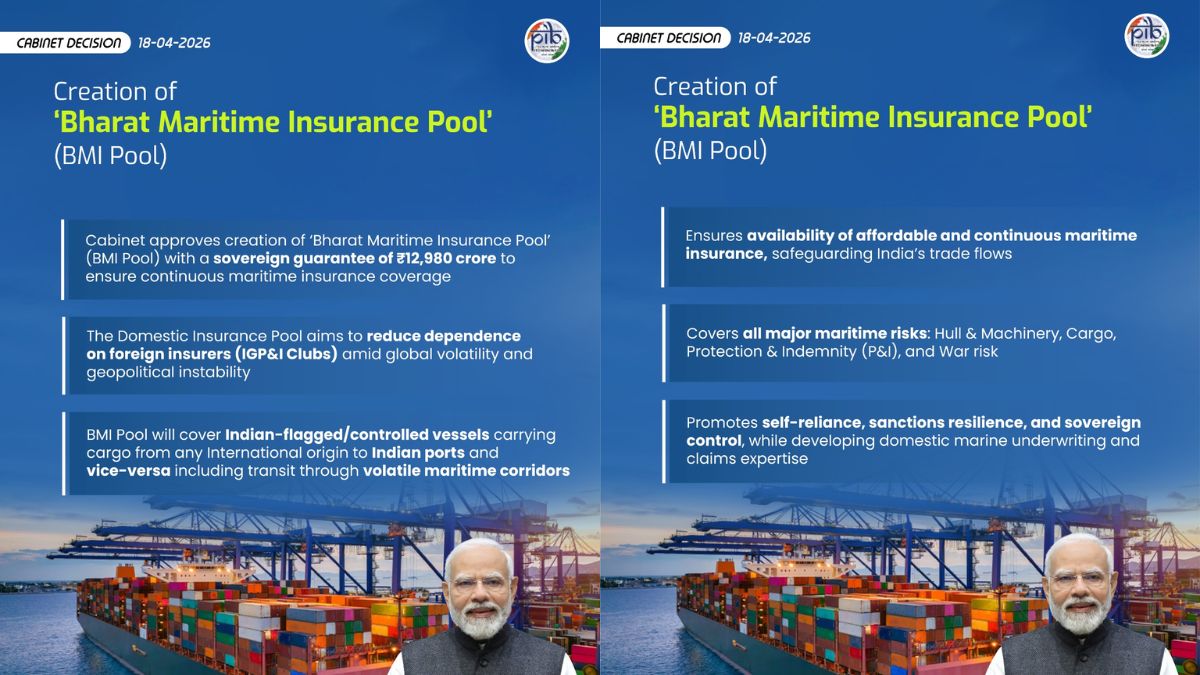
A major highlight was the Union Cabinet’s approval of the ‘Bharat Maritime Insurance Pool’ with a sovereign guarantee of Rs 12,980 crore.
“This important decision will ensure affordable and continuous insurance coverage for India’s maritime trade, strengthening the security and stability of India’s import-export operations. This is a major step towards a stronger, safer and more resilient trade ecosystem for India,” Rajnath Singh said.
The move is particularly significant as global shipping faces risks in volatile corridors like the Strait of Hormuz, a critical route for India’s energy imports.
Is India facing any fuel or energy shortage?
Despite global supply shocks, the government reassured that India’s energy position remains stable. Officials informed the IGoM that India currently has fuel inventories sufficient for over 60 days, including crude oil, petrol, diesel, and ATF. LNG stocks can last around 50 days, while LPG stocks are sufficient for approximately 40 days.
“To mitigate risks arising from heavy dependence on the Strait of Hormuz, the Government has actively diversified import sources, securing crude, LNG, and LPG supplies from regions including the United States, Australia, and Latin America. Import requirements for April and May 2026 are largely secured, ensuring continuity of supply,” the Ministry of Defence said.
What steps are being taken to reduce LPG dependence?
The government is accelerating the shift towards Piped Natural Gas (PNG) to ease pressure on LPG supplies. Since March 2026, more than 4.76 lakh PNG connections have been activated, with over 5.33 lakh new registrations. Notably, over 37,500 consumers have already surrendered LPG connections, indicating a steady transition.
Moreover, an inter-ministerial Joint Working Group has been set up to ensure the availability of petrochemical feedstock. The government has mandated minimum supply of critical inputs like C3 and C4 streams for essential sectors. Around 1000 MT/day from the LPG pool has been allocated for pharma and chemical industries, with 3200 MT of propylene already supplied since April 9.
There is currently no material shortage of key inputs like propylene and methanol, with supplies tied up through major refineries and petrochemical firms.
What is the situation on food, fertilisers and inflation?
The government indicated that both wholesale and retail food prices remain stable and range-bound. India also maintains adequate fertiliser stocks, including urea, DAP, NPK, SSP, and MOP. Between March 1 and April 16, a total of 47.50 lakh tonnes of fertilisers were added to the system, strengthening availability.
Authorities are also cracking down on hoarding and black marketing, with over 8,300 raids conducted in April alone and strict enforcement measures in place across districts.
How is India supporting its diaspora in the Gulf region?
Rajnath Singh emphasised that the safety and welfare of Indian citizens abroad remains a top priority. He called for constant communication with Indian missions and host countries in the Gulf to ensure timely assistance. The government is closely monitoring the situation and coordinating support for Indians in affected regions.
The meeting underscored the need for coordinated national and international responses. Rajnath Singh highlighted the importance of documenting best practices across states and learning from global responses to strengthen India’s preparedness.
“To ensure the effective management of the situation, the best practices adopted by the States/UTs must be identified and systematically documented so that they can be shared widely & replicated,” he said, while stressing learning from global policy responses to further enhance India’s resilience framework.