Army Chief Attends Tribute to Colonel Sonam Wangchuk at General Zorawar Singh Event

The tribute was part of an event organised around the legacy of General Zorawar Singh, hosted by the Colonel of the Regiment of the Jammu and Kashmir Rifles and the Ladakh Scouts. It brought together members of the military fraternity to pay homage to an officer widely regarded as one of the most decorated and respected soldiers to have served in India’s high-altitude frontier regions.
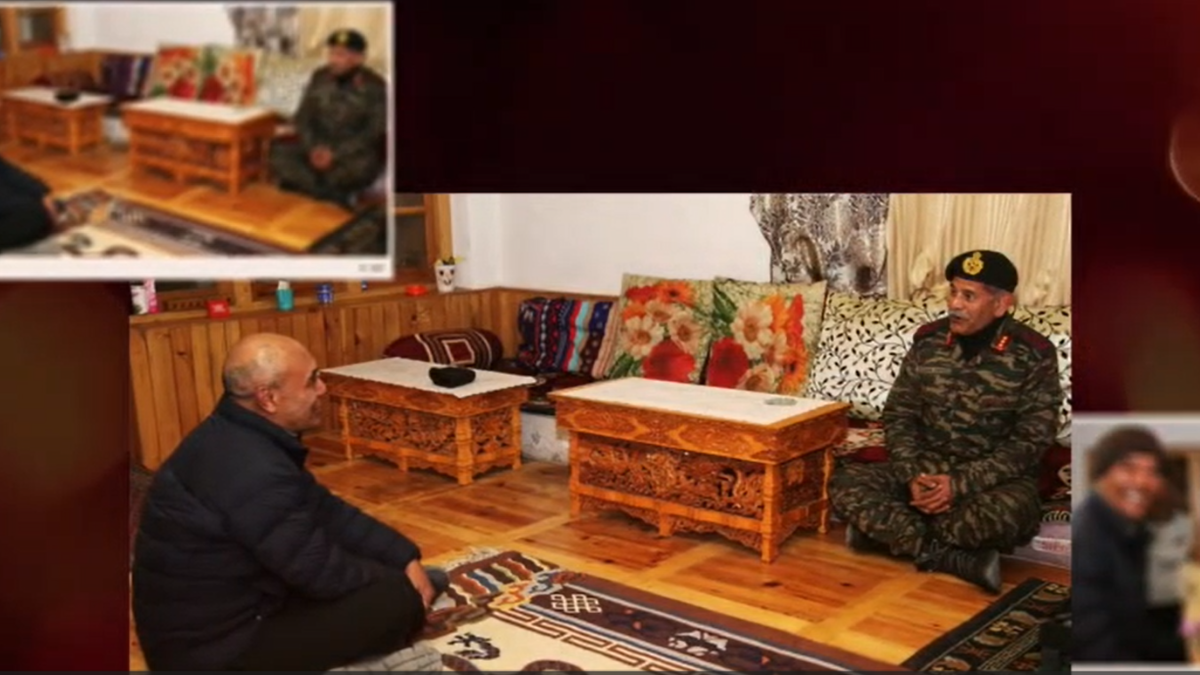
Speaking at the event, Major General S.S. Patil spoke of the deep and personal bond General Dwivedi shared with Colonel Wangchuk. “Colonel Sonam’s military acumen has been widely respected amongst all senior officers,” he said, noting that previous Colonels of the Regiment, including General Joshi, and officers across the hierarchy had been closely bonded with him.
Maj Gen Patil recalled that General Dwivedi had the opportunity to serve alongside Col Wangchuk when the former was the Colonel GS in 21 Corps. The bond forged then only strengthened over the years. As Northern Army Commander, General Dwivedi would regularly urge his commanders to draw lessons from Colonel Wangchuk’s tactical acumen and his methods of war-fighting at high altitudes. “There was not a single time when General Dwivedi went to Ladakh and did not meet Colonel Sonam,” Maj Gen Patil said.
“This untimely loss is not only a loss to the Army but also to the nation at large, and more so for the people of Ladakh,” he added. “They call him the Lion of Ladakh, and he is a very, very respected figure. The civil administration has decided to build a memorial in his honor—and befittingly so.”
Colonel Wangchuk’s gallantry was formally recognised for his actions in the 1999 Kargil War, where, then a Major with the Ladakh Scouts, he led a column in the Batalik sector at approximately 5,500 metres. On May 30, 1999, he held his men together after an ambush, counterattacked from the flank and helped clear enemy positions along the Chorbat La axis, earning him the Maha Vir Chakra, India’s second-highest wartime gallantry award.
Born and raised in Ladakh, Wangchuk remained closely tied to his regiment long after retirement. He attended regimental occasions and stayed accessible to younger officers. For the Ladakh Scouts and the JAKRIF, his presence within the brotherhood only deepened even after he retired from active service.