

From Operation Sindoor to Army Day 2026, How India Redefined Courage, Jointness and Future Warfare
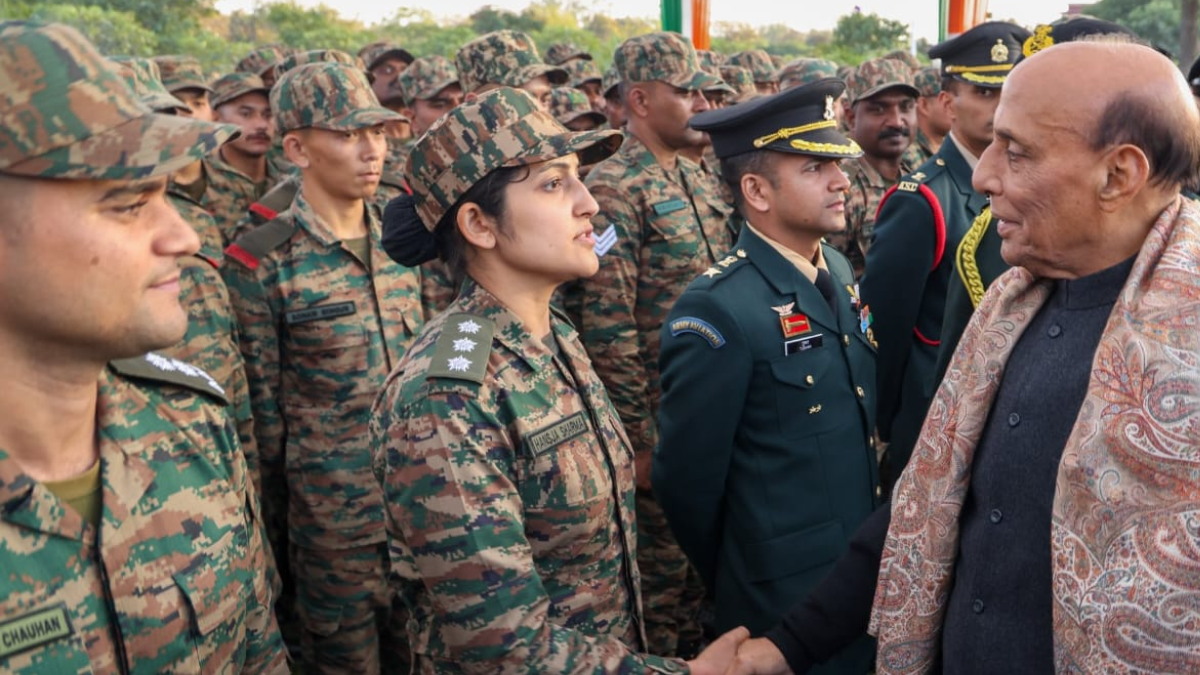

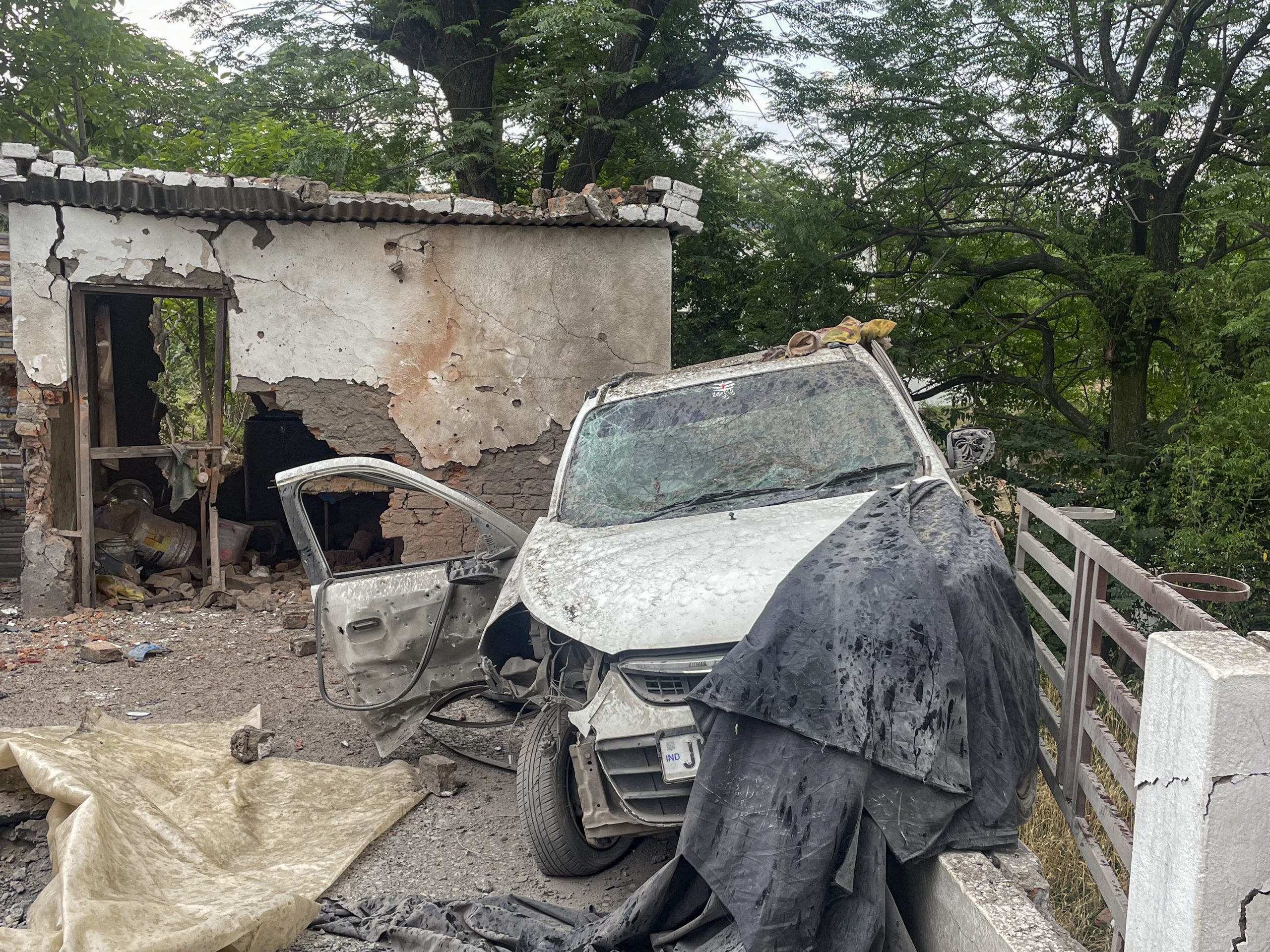
Marking India’s Army Day on Thursday (January 15, 2026), Defence Minister Rajnath Singh has characterised the May 2025 Operation Sindoor strikes on Pakistan as “a balanced military response” and called it a symbol of the armed forces’ courage, strength, restraint and national character.
Chief of Defence Staff (CDS) General Anil Chauhan, in his message, underlined the army’s legacy of valour and its need to continuously adapt to future warfare.
What did Rajnath Singh say about Operation Sindoor?
Speaking at the 78th Army Day celebrations in Jaipur, Defence Minister Rajnath Singh framed the operation as both a warning to India’s adversaries and a blueprint for India’s military future, as the action against terrorists was carried out with careful assessment and due regard for humanitarian values.
“The situation was difficult and there was pressure, but the restraint, unity, and patience with which our soldiers executed the operation were unprecedented and praiseworthy,” he said.
What was Operation Sindoor’s message on India’s weapons?
The Defence Minister emphasised that the use of indigenous weapons during the operation underscored the fact that self-reliance is not a matter of pride but a necessity.
He stated that the nation has come a long way on the path of Aatmanirbharta (self-reliance), with the armed forces taking the lead and contributing significantly to this endeavor.
How would the Indian government equip the armed forces?
Rajnath Singh stressed on further accelerating these efforts to achieve the goal of Aatmanirbhar Bharat (self-reliant India) in the times to come. He also underscored the importance of augmenting inter-service linkages in view of the expansion of the dimensions of warfare.
He stated that the persistent efforts towards self-reliance were bearing fruit as the domestic defence production, which was only Rs 46,000 crore in 2014, has increased to a record Rs 1.51 lakh crore today. Defence exports, which were less than Rs 1,000 crore in 2014, have skyrocketed to a record Rs 24,000 crore.
What was the Indian Army’s contribution to society?
“The world is going through a period where all established notions are being challenged. In such a situation, it is more important than ever to bolster the armed forces and ensure their modernisation and self-reliance. We’ve always focused on strengthening national security and the capabilities of our soldiers,” the Defence Minister said.
“The Indian Army has made an invaluable contribution to strengthening the nation’s social unity. It is not just a military force but a major pillar of nation-building. Most of the military forces around the world operate as a separate domain. But in India, the Army works together with civilians,” he added.
What was General Chauhan’s message to the Army?
General Chauhan, on his behalf, described the Indian Army as the “cornerstone of the nation’s defence architecture” and its most dependable pillar, recalling its role in safeguarding the country against both external and internal challenges.
“The Indian Army has a rich history of valour, sacrifice and unwavering commitment to the nation. The Army’s indomitable spirit was once again evident during Operation Sindoor, where it demonstrated unyielding courage and tactical brilliance,” he said.
How should the Army prepare for the future?
Emphasising the importance of preparedness for future challenges, the CDS urged the armed forces to avoid a comfort zone mindset and adopt a forward-looking approach to modern warfare.
“No service, including the Army, can afford to rest on its past laurels. It must adopt a forward-looking approach, proactively incorporating strategies for future warfare and warfighting…anticipating tomorrow’s challenges and initiating the modernisation process to maintain the cutting edge,” he said.
How is JAI driving the Indian armed forces?
“Future wars shall demand multi-domain operations. The Indian Armed Forces must continue to deepen tri-services synergy. The Indian Army must prioritise structural reforms and promote a cultural shift to achieve jointness and integration with the Navy and the Air Force, a must to operate in a multi-domain operational environment,” General Chauhan underscored.
“I would urge the Indian Army to emphasise ‘JAI’ (Jointness, Atmanirbharta & Innovation), the mantra given by our Prime Minister. We must deepen integrated planning, training and operations, contribute towards accelerating indigenous capability development, ensuring an imaginative, inventive, and innovative approach,” he added.