
Theaterisation for Deterrence and Dominance: India’s Integrated Arsenal for Hybrid Threat Mastery
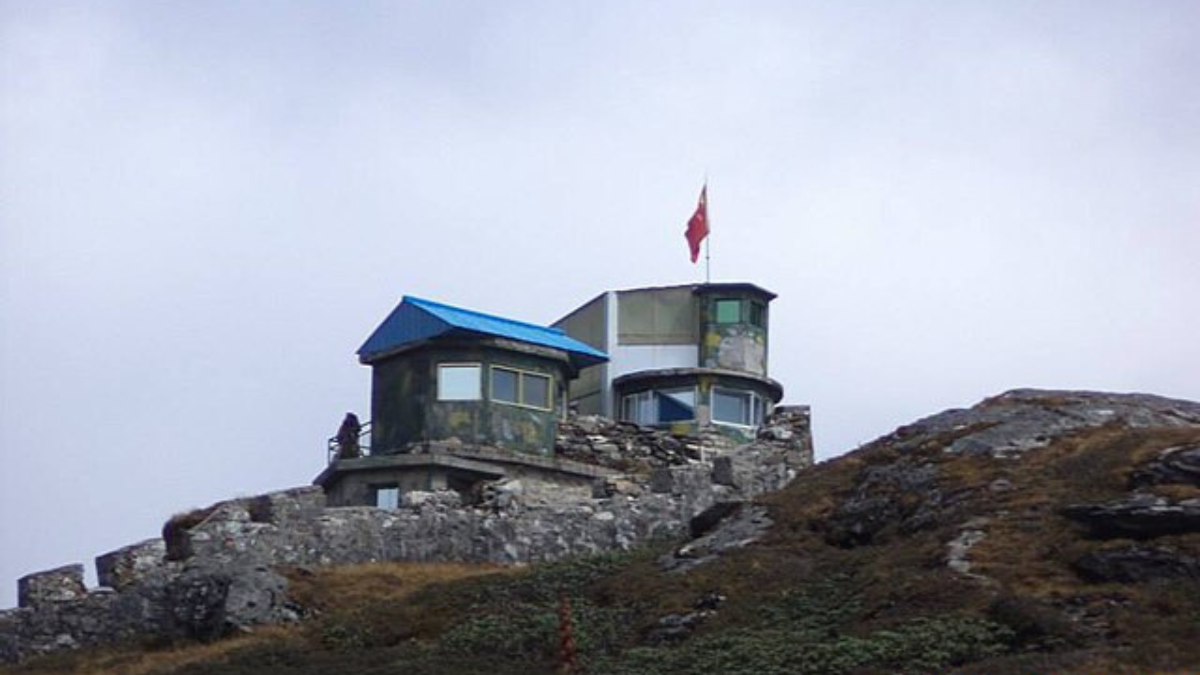
Representational Image. Credit: Wikimedia Commons

By enhancing geopolitical posture, sustainment, and preparedness, theaterisation promises to deliver stronger deterrence, integrated operations, and battle-winning agility by positioning India to counter evolving conventional and hybrid threats with unity and speed.
India’s move toward theatreisation is one of the most important military reforms since independence.
At its heart, theatreisation aims to bring the Army, Navy, and Air Force together under integrated theatre commands, each responsible for a specific region or role.
This change is not just about improving structures or efficiency. It is about changing how India plans for war and uses military power at a time when conflicts involve hybrid tactics, grey-zone pressure, and the risk of rapid escalation.
Context and Background
For many years, India’s armed forces have worked through separate service-based commands, coordinating with each other when needed.
While this system worked reasonably well in the past, it is less suited to today’s challenges. India now faces threats from both China and Pakistan at the same time, along with ongoing border tensions, cyber attacks, risks in space, and information warfare.
Modern conflict compresses decision timelines and blurs the line between peace and war. Theaterisation is India’s answer to this complexity.
Around the world, major military powers like the United States and China have already moved to integrated theatre commands so their forces can act faster and work more closely together.
For India, with its large geography, different terrains, and many security threats, the message is clear: the military needs to fight as one force, not as three separate services working alongside each other.
Faster Decisions, One Clear Plan
One of the main advantages of theatreisation is speed. With a single theatre command in charge, decisions can be taken faster, with fewer bureaucratic delays. Commanders get direct control over army, air force, and naval forces in their region.
In a crisis—whether it is a border standoff in Ladakh or a situation unfolding in the Indian Ocean—this setup allows for immediate, coordinated action rather than slow, step-by-step responses from separate services.
It also reinforces the idea of “One Nation, One Military.” Integrated planning helps turn national strategy directly into action, with military operations closely aligned to political goals.
The focus shifts away from individual service interests and toward achieving the mission as a whole.
Seamless Logistics and Sustainment
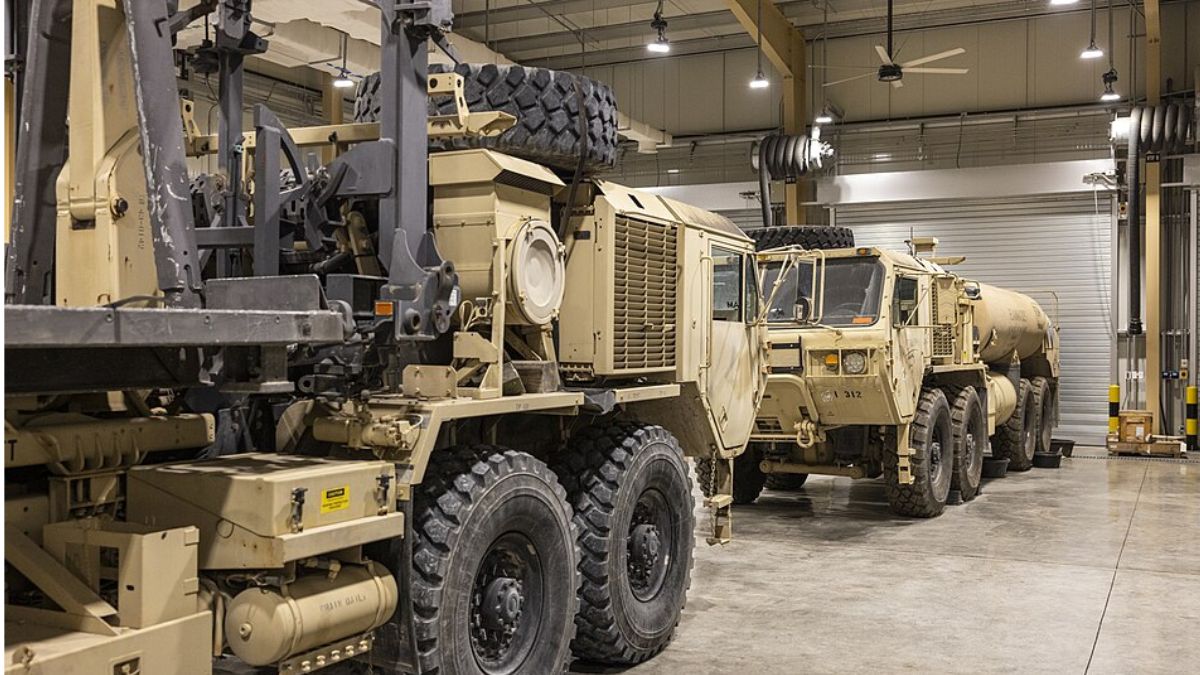
Wars are not won by manoeuvre alone; they are sustained by logistics. Theaterisation enables unified logistics through common supply chains, shared infrastructure, and joint maintenance systems.
This cuts down on duplication, improves efficiency, and helps sustain military operations over long periods.
In high-altitude areas or at sea—where supplies and support are often the biggest challenge—integrated logistics can make a decisive difference.
Modern Warfare and Multi-Domain Operations
Today’s battles are no longer limited to land, sea and air. Cyberspace, outer space, and electronic systems are now an essential part of how wars are fought.
Theaterisation allows India to plan and use its forces across multiple domains, including cyber and space, as part of the same operation.
This helps ensure that future conflicts are handled as a whole, with military force and non-military tools used together in a coordinated way.
Air power, in particular, benefits from this approach. Rather than being tied rigidly to single-service demands, air assets can be dynamically allocated across theatres based on priority and threat perception, maximising strategic and operational impact.
Deterrence and Grey-Zone Preparedness
One of the biggest strategic benefits of theaterisation is stronger deterrence. A military that is integrated and quick to act looks more credible and prepared.
Countries like China and Pakistan are less likely to take risks or misjudge India’s response when they face a force that can react swiftly and in a coordinated way across land, sea, air, cyber, and space.
Clear command structures and visible joint readiness strengthen India’s deterrence without pushing the country toward unnecessary conflict.
Theatreisation is also important for handling grey-zone challenges. These include small border intrusions, pressure at sea, cyber attacks, and information campaigns. Such threats require careful, measured responses involving the whole force.
By improving coordination and resilience, theatreisation helps India handle such challenges without being pushed into a full-scale war.
End Goals: Coordination and Security
The main aim of theatreisation is to improve coordination so India can respond quickly and decisively when necessary, and show restraint when it makes sense.
By strengthening deterrence, improving mobilisation, and bringing all military capabilities together, theatreisation supports India’s long-term national security.
Theaterisation is not an overnight fix, nor is it without challenges. But as India’s threat environment grows more complex, integration is no longer optional; it is essential.
In mastering jointness, India positions itself to not just respond to tomorrow’s wars but to shape them.