India EAM Talks West Asia, Ukraine Conflicts With European Counterparts
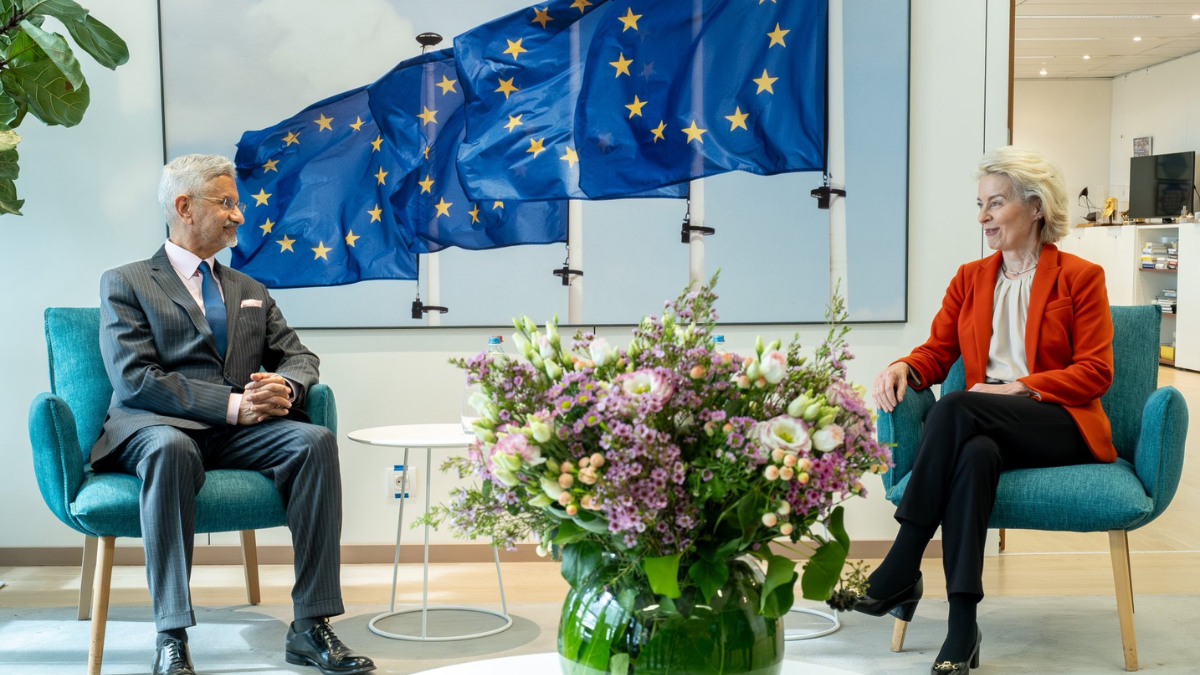
S. Jaishankar EU meeting. Image courtesy: X/ @DrSJaishankar

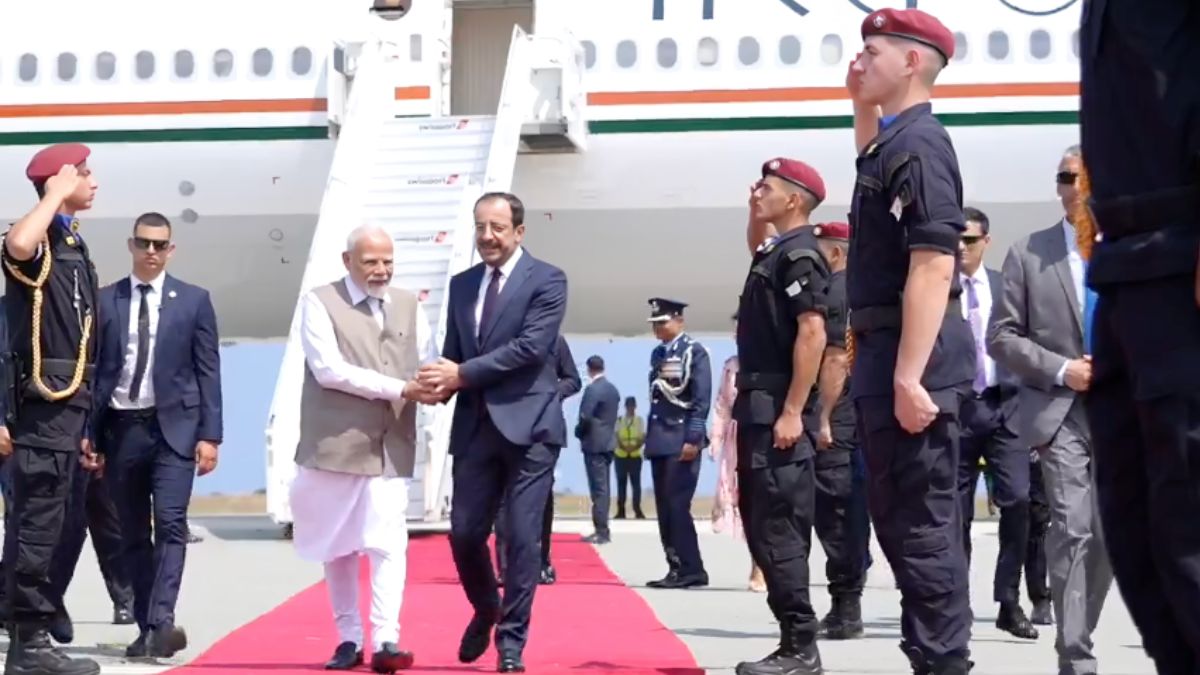
India’s External Affairs Minister Dr. S. Jaishankar met with his European Union counterparts in Brussels to discuss key global conflicts in West Asia and Ukraine, apart from talks on cooperation on trade, investment, technology, mobility, and defence sectors.
The two sides discussed the implementation of outcomes of the India-EU engagements in the recent months, including the January 2026 historic Free Trade Agreement that could change the course of their relationship.
Jaishankar was on a two-day visit to Brussels for talks with the foreign ministers of 27 EU member-states, on the sidelines of the Foreign Affairs Council of the bloc, that ended on Monday (March 16, 2026).
This was the first high-level engagement between India and the EU after the two sides concluded the FTA in January 2026, and came at a critical moment as the West Asian conflict that has threatened global energy security entered its third week.
Jaishankar also met with European Commission President Ursula von der Leyen and his counterparts from Germany, Greece, and Belgium on the occasion.
The external affairs minister held separate meetings with European Commission president Ursula von der Leyen and his counterparts from Germany, Greece, and Belgium.
“The stronger convergence between India and the EU in a multipolar world is also expressed in closer consultations. Discussed the West Asia conflict, the Ukraine situation, and the Indo-Pacific in today’s gathering,” Jaishankar said in a social media post after he met with the EU foreign ministers.
“The Foreign Ministers coordinate translating the various agreements into outcomes. Our conversation today, therefore, covered trade, investment, technology, mobility, and defence in particular,” he said on X. “A new chapter in India-EU ties has opened up in 2026,” Jaishankar said in an apparent reference to the January 2026 FTA and its outcomes.
Along with the FTA, the EU-India summit in January 2026 also led to a security and defence partnership agreement and a comprehensive framework for mobility cooperation.
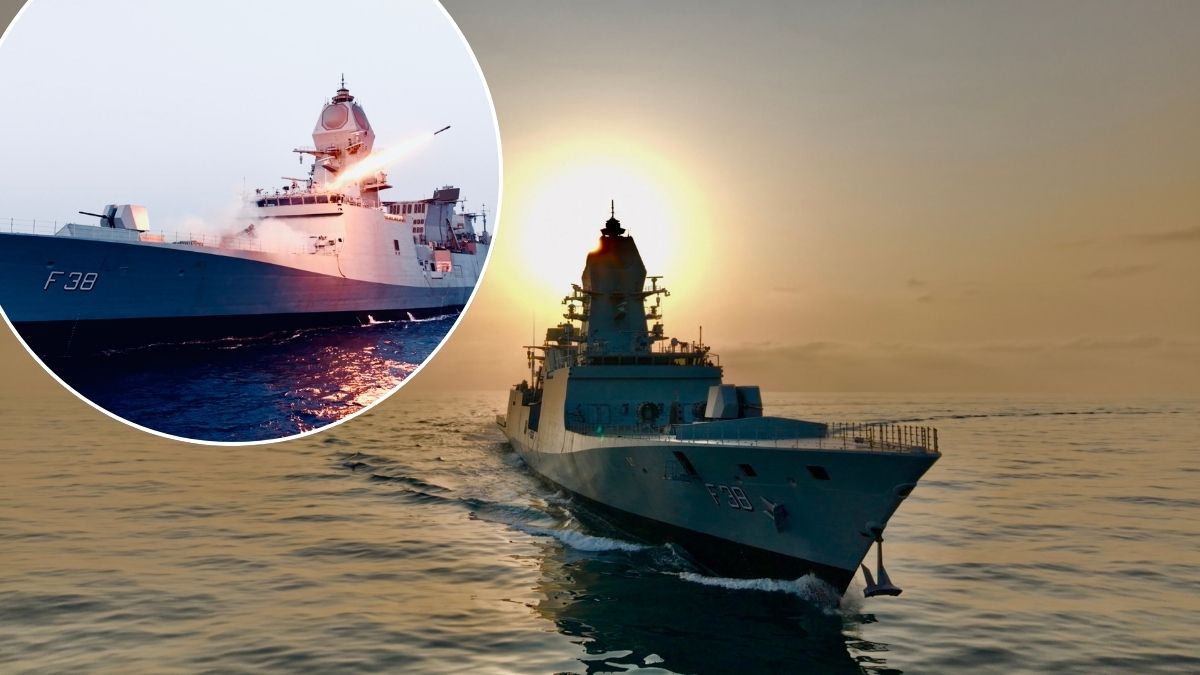
The EU’s Foreign Affairs Council discussed ways to safeguard cargo ships transiting the Strait of Hormuz, including possible contributions by the EU’s naval mission Aspides, and a European security strategy, European Commission Vice President and High Representative for Foreign Affairs and Security Policy Kaja Kallas told reporters.
The West Asia conflict and Iran’s blockade of the Strait of Hormuz after the US and Israeli airstrikes hit Tehran on February 28 sent global oil and gas prices through the roof. Over 20% of the global oil and gas supplies pass through the Strait of Hormuz from the Gulf region to countries around the world.
Kallas said the blockade of the Hormuz Strait was hurting the global economy and helping Russia to fund its war, even as the US lifted its sanctions on the world buying Russian crude oil.
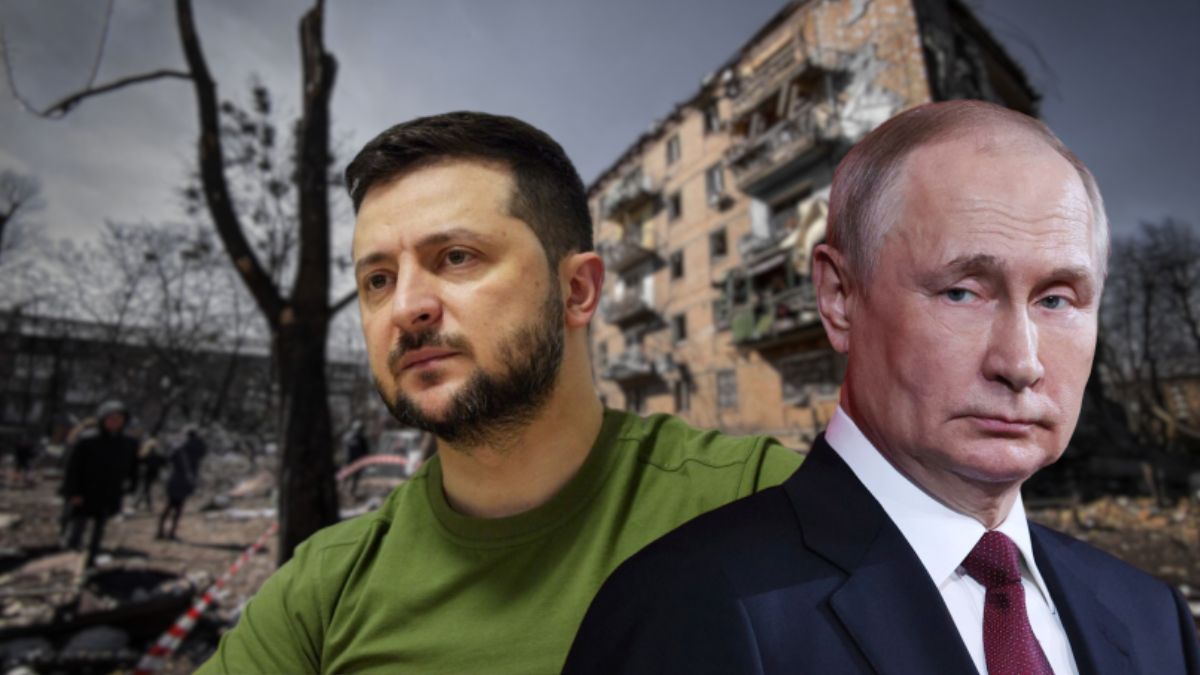
She also noted that the West Asian conflict should not take the world’s eyes off the Ukraine war, and said the US easing sanctions on Russian oil was setting a “dangerous precedent.”
After he met with Ursula von der Leyen, Jaishankar said her highly successful visit to India in January 2026 marked “a turning point” in the India-EU relationship. “We are following up vigorously on it,” he said.
Ursula Von der Leyen said, after the FTA and defence deal was concluded, “Now we are focused on efficient implementation, to deliver for the people of Europe and India as soon as possible.”
“We also discussed developments in the Middle East and in Ukraine. De-escalation, stability, and energy security are our shared objectives,” she added.
About his talks with German Foreign Minister Johann Wadephul, Jaishankar said they exchanged notes on the conflict in West Asia.
“A valuable exchange of notes on the conflict in West Asia. Also took stock of the progress of our bilateral relations following the State visit of @bundeskanzler Friedrich Merz to India,” he said.