


China’s Scandal-Hit Weapons Firms Buck the Trend as Indian DPSUs Post Strong Growth in Global Arms Sales
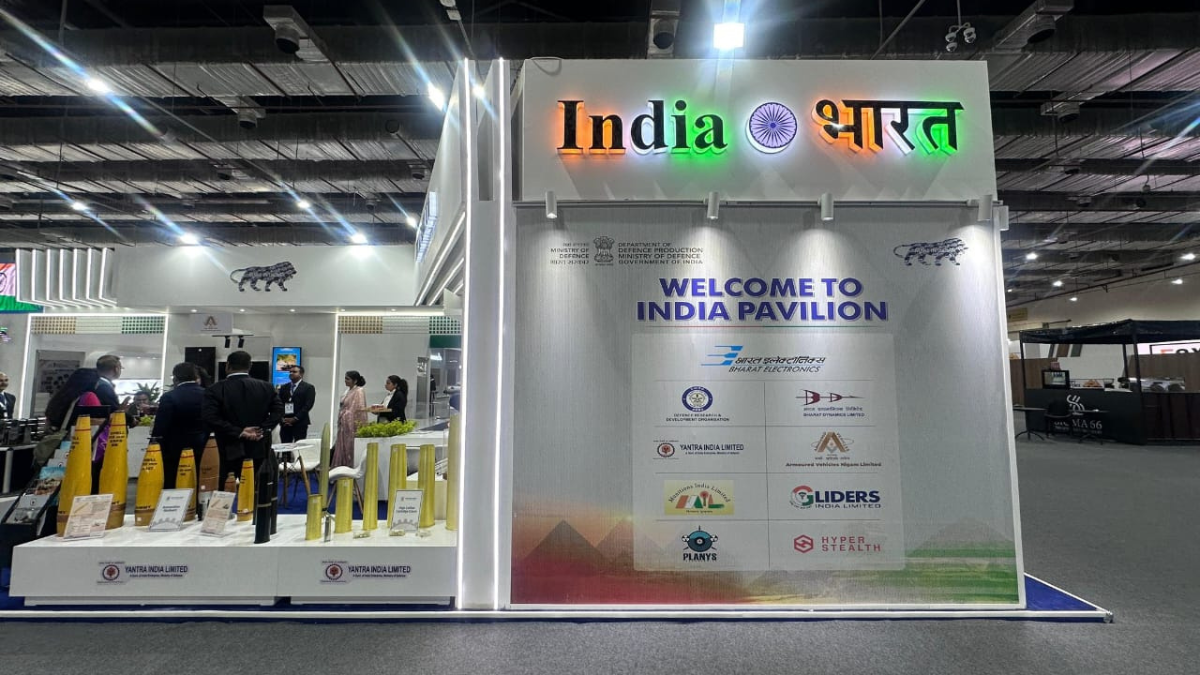
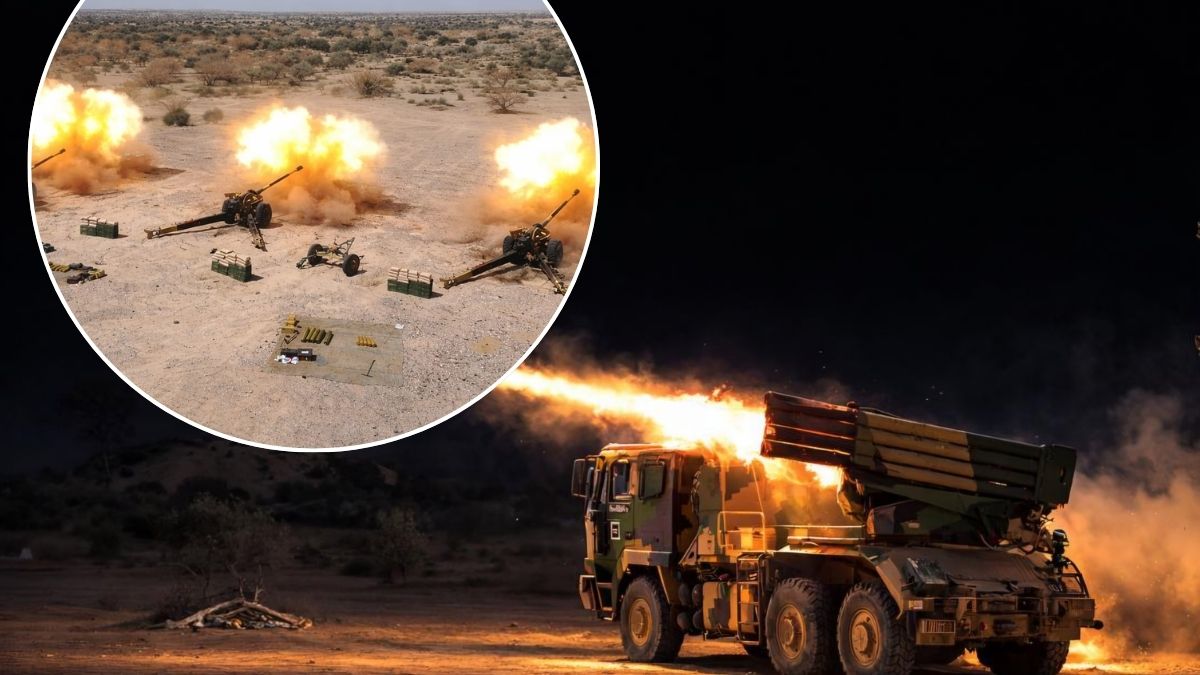
Representational Image. Courtesy: BEL/X

Global arms sales surged to an unprecedented $679 billion in 2024, yet one major player moved in the opposite direction.
China’s defence industry suffered a steep and unusual revenue contraction, dragged down by corruption probes, suspended contracts, and wider procurement uncertainty.
What did SIPRI assess about Chinese arms firms?
According to a new assessment by the Stockholm International Peace Research Institute (SIPRI), the world’s largest arms producers expanded output on the back of heightened conflict and demand, but Chinese firms experienced a 10 per cent decline, weighing down the entire Asia–Oceania region.
In contrast, Indian defence public sector undertakings (DPSUs) recorded steady growth, driven largely by domestic orders and a sustained push for indigenisation.
SIPRI’s findings show that the eight Chinese companies in the global Top 100 generated $88.3 billion, marking the biggest collective percentage drop of any country on the list.
Their downturn was significant enough that Asia–Oceania became the only region to record a fall in arms revenues last year, slipping 1.2 per cent to $130 billion.
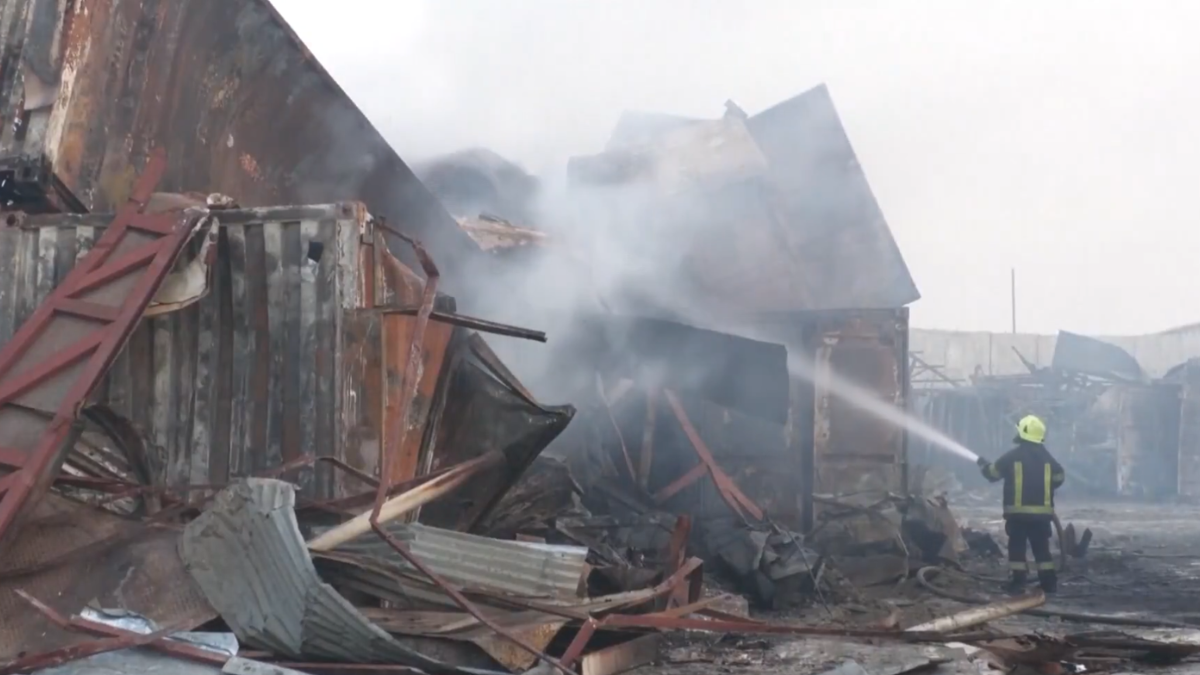
The most striking decline came from Norinco, China’s leading producer of ground-based weapons, whose revenues fell 31 per cent, from $20.31 billion to $13.97 billion.
Its ranking dropped from 10th to 11th globally. The report attributes this slump to a sweeping anti-corruption campaign that led to the removal of Norinco’s chairman and the head of its military division, triggering a cascade of contract delays, reviews, and cancellations.
China’s largest aerospace manufacturer, AVIC, remained the country’s top arms seller with revenues of $20.32 billion, but it too recorded a slight decline of 1.3 per cent.
Only two Chinese firms–China State Shipbuilding Corporation and Aero Engine Corporation of China — registered revenue growth in 2024.
SIPRI analysts warn that the corruption crackdown has created considerable uncertainty for China’s military modernisation timeline, potentially slowing the induction of new weapons systems and advanced capabilities.
How did other nations perform in arms sales?
The situation in China stands in stark contrast with the global landscape, where rising geopolitical tensions and ongoing conflicts have driven defence spending upward.
The United States continued to dominate with 39 companies in the Top 100 and combined revenues of $334 billion in 2024, an increase of 3.8 per cent.
Europe, fuelled by rearmament efforts and support for Ukraine, posted even stronger gains, with revenues climbing 13 per cent to $151 billion.
Japan and South Korea also saw impressive expansion. Japanese firms increased their combined revenues by 40 per cent to $13.3 billion, while South Korean manufacturers grew their earnings by 31 per cent to $14.1 billion.
Hanwha Group led the region’s performance with a 42 per cent jump, making it the largest non-Chinese Asia-Pacific company on the list.
Russia, despite sanctions that restrict critical imports, recorded a 23 per cent rise in revenues for its two ranked companies, driven almost entirely by domestic demand.
How were the Indian arms firms ranked?
Against this backdrop, India’s defence industry registered robust growth within the global arms market. The three Indian companies in the SIPRI Top 100 increased their combined revenues by 8.2 per cent to $7.5 billion in 2024.
Hindustan Aeronautics Limited remained India’s largest arms producer, posting revenues of $3.8 billion, marginally lower than the previous year but still dominant in scale.
Bharat Electronics Limited delivered the strongest performance among Indian firms, recording a 24 per cent increase to $2.5 billion, fuelled by government orders for radars and electronic warfare systems.
SIPRI notes that India’s trajectory reflects the country’s expanding industrial base and a clear policy shift favouring indigenous procurement over imports.
India’s footprint in the global Top 100 remains modest when compared with the United States, China, or Europe, but the upward trend points to a maturing defence ecosystem that is increasingly capable of responding to domestic military needs and competing for future export opportunities.
The regional picture that emerges from the report is one of divergence. Japan, South Korea, and India are expanding production to meet rising domestic and international demand, while China’s scandal-stricken weapons manufacturers are losing ground.
As global military spending continues to climb and geopolitical flashpoints multiply, this contrast is likely to shape the balance of power in the global arms industry for years to come.


