
India’s Defence Self-Reliance Is Now A Measurable Reality, Say Ministers
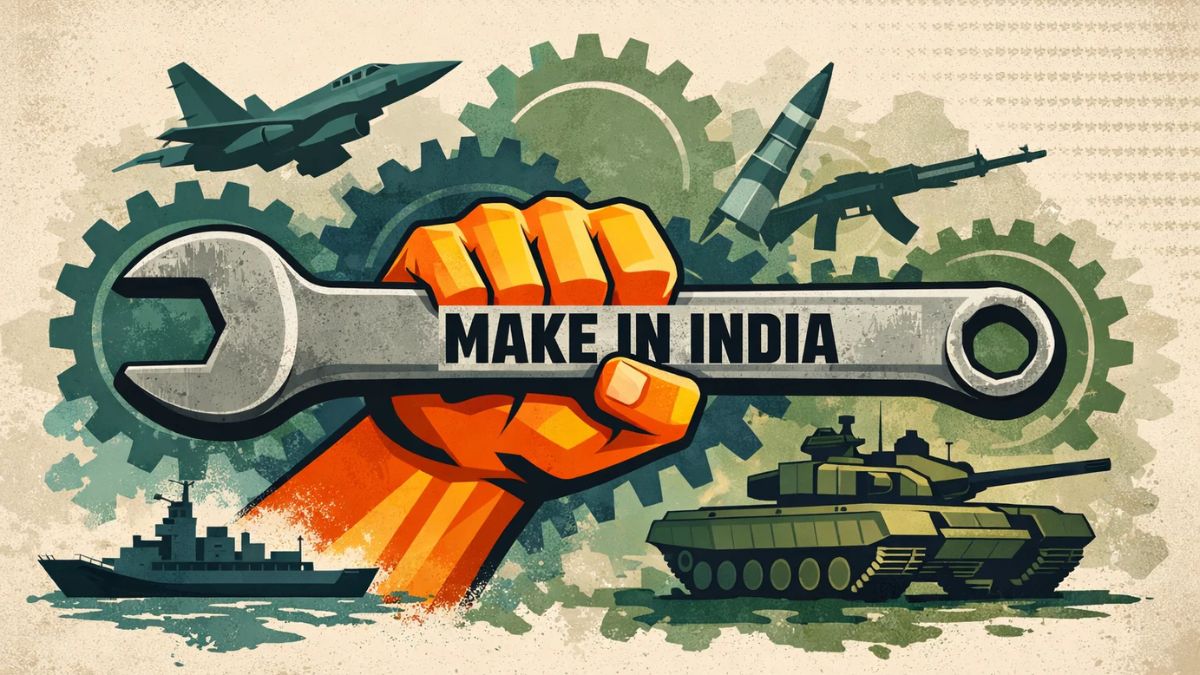
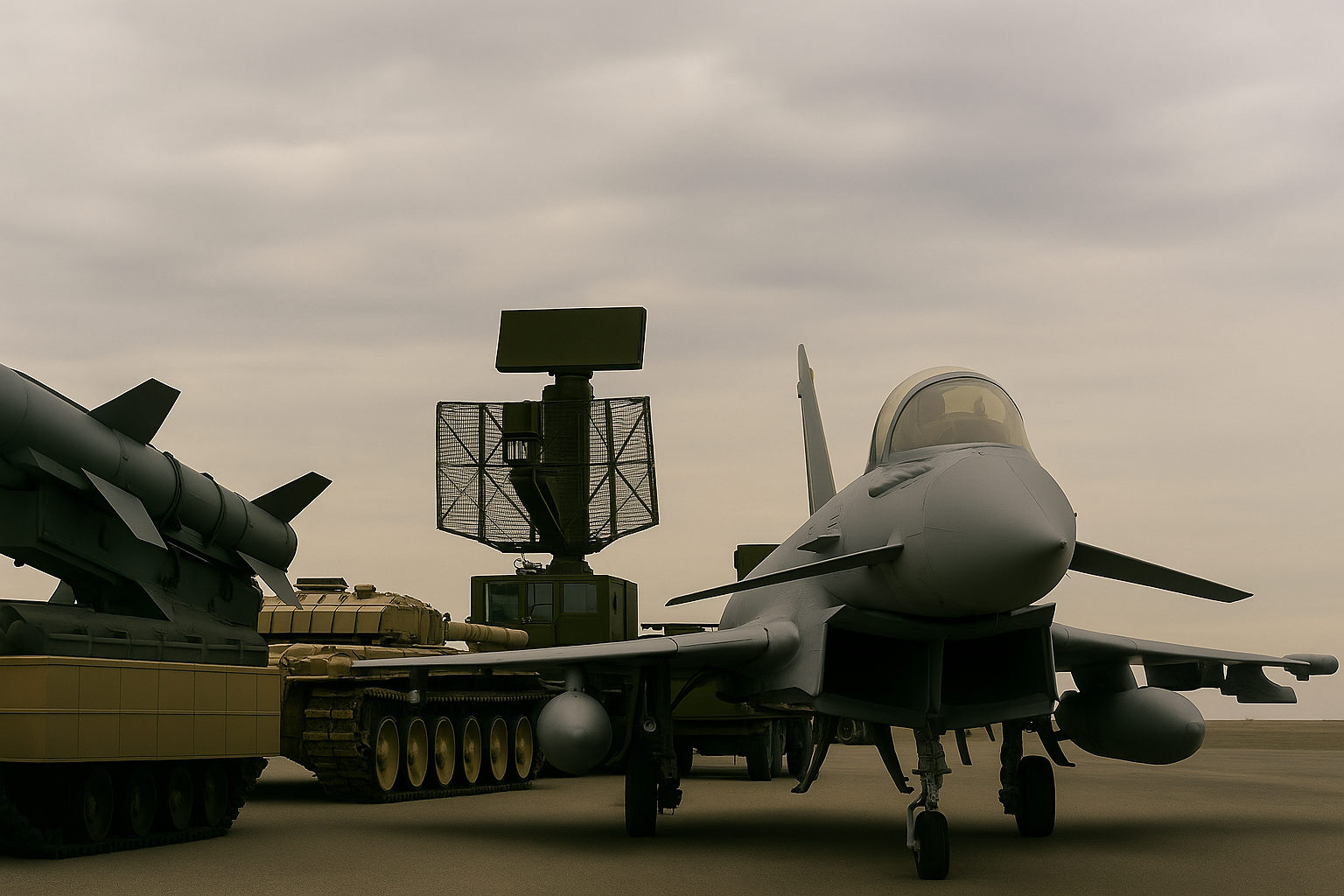
There is a massive ongoing push for Aatmanirbharta in defence. Image courtesy: AI-generated picture via Sora

India’s push for Atmanirbharta in defence has moved decisively from policy intent to measurable outcomes, with record production, rising exports, and expanding industrial participation now reshaping the country’s defence ecosystem, Union ministers said during separate press conferences in New Delhi.
In separate press conferences, Union Minister of State for Power and New & Renewable Energy Shripad Yesso Naik and Union Minister of Labour & Employment and Youth Affairs & Sports Dr Mansukh Mandaviya outlined the scale of India’s defence transformation, pointing to structural reforms, indigenous capability development, and operational validation as indicators of sustained progress.
What milestones mark India’s defence self-reliance drive?
According to the ministers, India recorded its highest-ever defence production of Rs 1.54 lakh crore in FY 2024–25, up from Rs 46,429 crore in FY 2014–15. Defence exports rose to a record Rs 23,622 crore in FY 2024–25, compared to less than Rs 1,000 crore a decade earlier.
India now manufactures approximately 65% of its defence equipment domestically, reversing earlier import dependence levels of 65–70%. Indigenous defence production has grown by over 170% during this period, reflecting the expanding depth and maturity of domestic manufacturing.
How has India’s defence industrial base evolved?
The private sector now contributes nearly 23% of total defence production, while Defence Public Sector Undertakings account for about 77% within a more performance-oriented framework. More than 16,000 Micro, Small and Medium Enterprises (MSMEs) are integrated into the defence ecosystem, playing a significant role in innovation, supply chains, and manufacturing.
Defence Industrial Corridors in Uttar Pradesh and Tamil Nadu have attracted investments exceeding Rs 9,145 crore, with 289 memoranda of understanding signed, unlocking potential opportunities worth over Rs 66,000 crore. Nearly 92% of defence contracts in FY 2024–25 were awarded to domestic industry.
What reforms are driving procurement and exports?
The Defence Procurement Manual (DPM) 2025, launched in October, aims to simplify revenue procurement of goods and services worth nearly Rs 1 lakh crore, improving transparency and participation by domestic firms. A review of the Defence Acquisition Procedure (DAP) 2020 is underway to further align procurement with national priorities and indigenous design.
In July, the Defence Acquisition Council approved proposals worth Rs 1.05 lakh crore for advanced equipment, including armoured vehicles and surface-to-air missile systems, with emphasis on the ‘Buy Indian–Indigenously Designed, Developed, and Manufactured’ category.
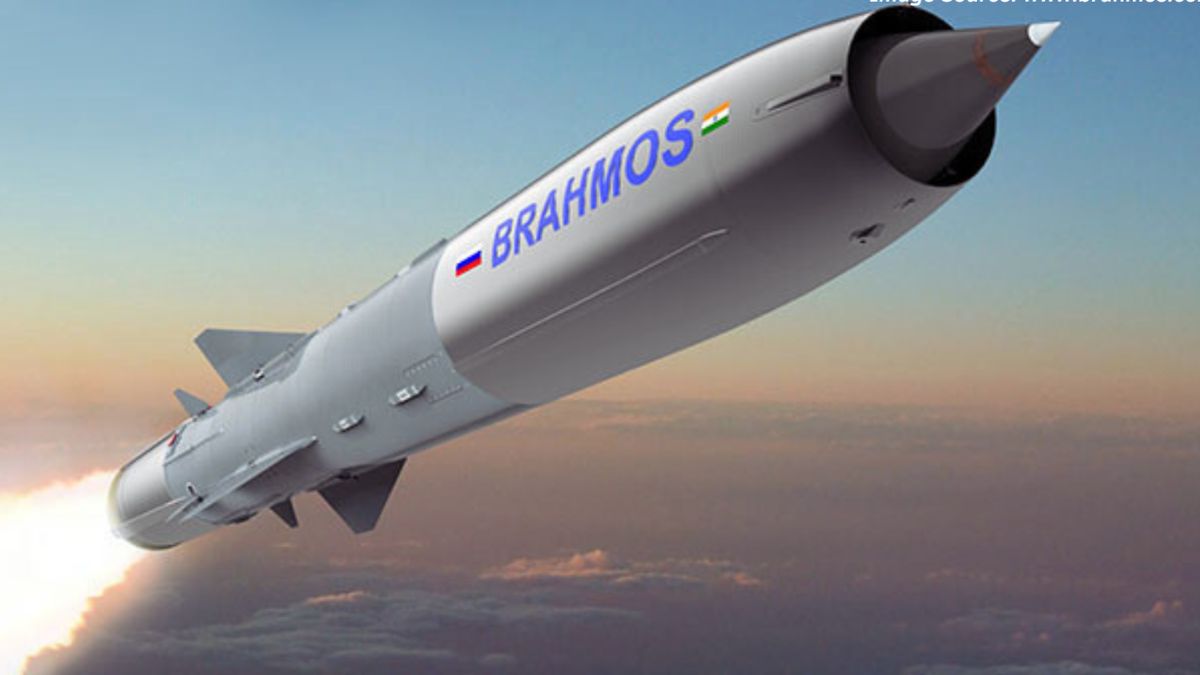
Defence exports have expanded sharply, with India now supplying equipment to around 80–100 countries. Exported items include ammunition, arms, subsystems, complete platforms, Akash missile systems, BrahMos missiles, Dornier aircraft, and protective equipment. Online export clearance systems have reduced processing time and paperwork.
How has Atmanirbharta translated into operational capability?
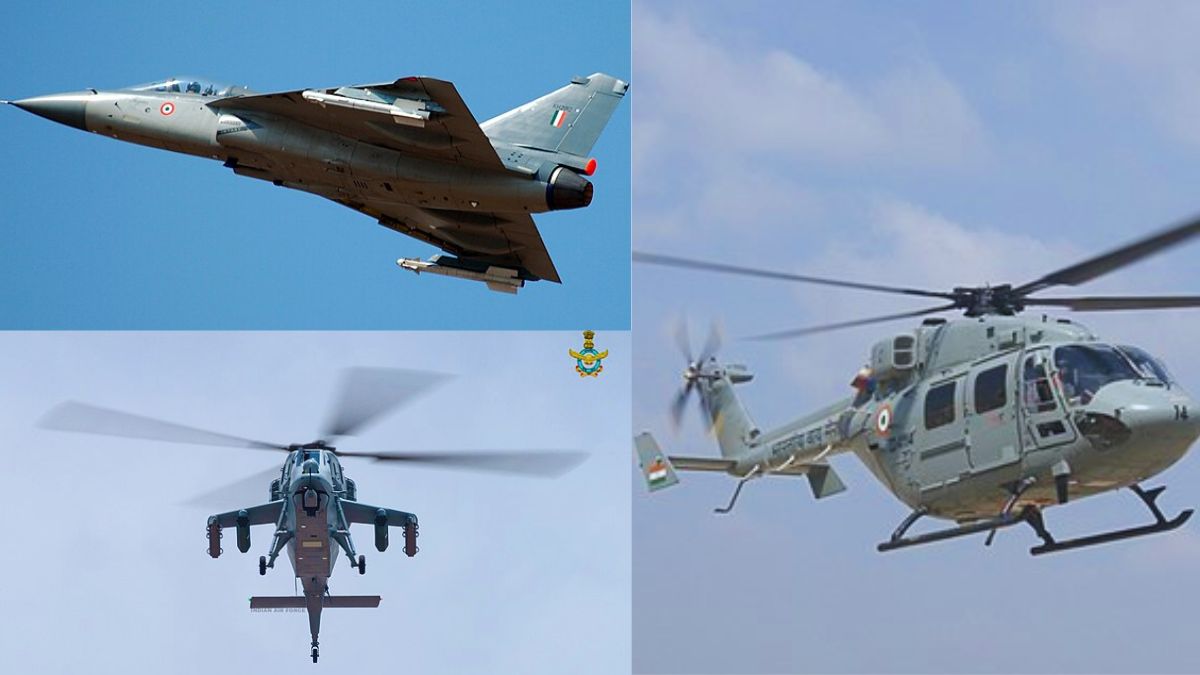
Shripad Yesso Naik said indigenous platforms such as the Light Combat Aircraft Tejas, Light Combat Helicopter Prachand, Advanced Towed Artillery Gun System, Akash missile systems, warships, armoured vehicles, radars, and drones are strengthening the Armed Forces’ operational readiness.
Operation Sindoor was cited as a milestone demonstrating the operational relevance of indigenous systems, particularly in drone warfare, layered air defence, and electronic warfare.
What are the future targets and strategic initiatives?
Both ministers reiterated the government’s goal of achieving Rs 3 lakh crore in defence production and Rs 50,000 crore in defence exports by 2029. Mission Sudarshan Chakra, announced by Prime Minister Narendra Modi during his Independence Day address, aims to enhance India’s offensive and protective capabilities and strengthen security of critical assets over the long term.
The Union Budget 2025–26 has allocated Rs 6.81 lakh crore to the Ministry of Defence, including Rs 1.80 lakh crore for capital outlay, with 75% of the modernisation budget earmarked for domestic procurement. Initiatives such as Innovations for Defence Excellence (iDEX), the Technology Development Fund, Defence Industry–Academia Centres of Excellence, and the restructuring of the Ordnance Factory Board into seven Defence Public Sector Undertakings are supporting innovation and export orientation.
Concluding their remarks, the ministers said Atmanirbharta in defence is no longer aspirational but a credible and measurable reality, reinforcing India’s position as a confident and reliable partner in the global defence manufacturing and security architecture.