
India Scales Back Visa Services, Summons Bangladesh Envoy Over Security Concerns
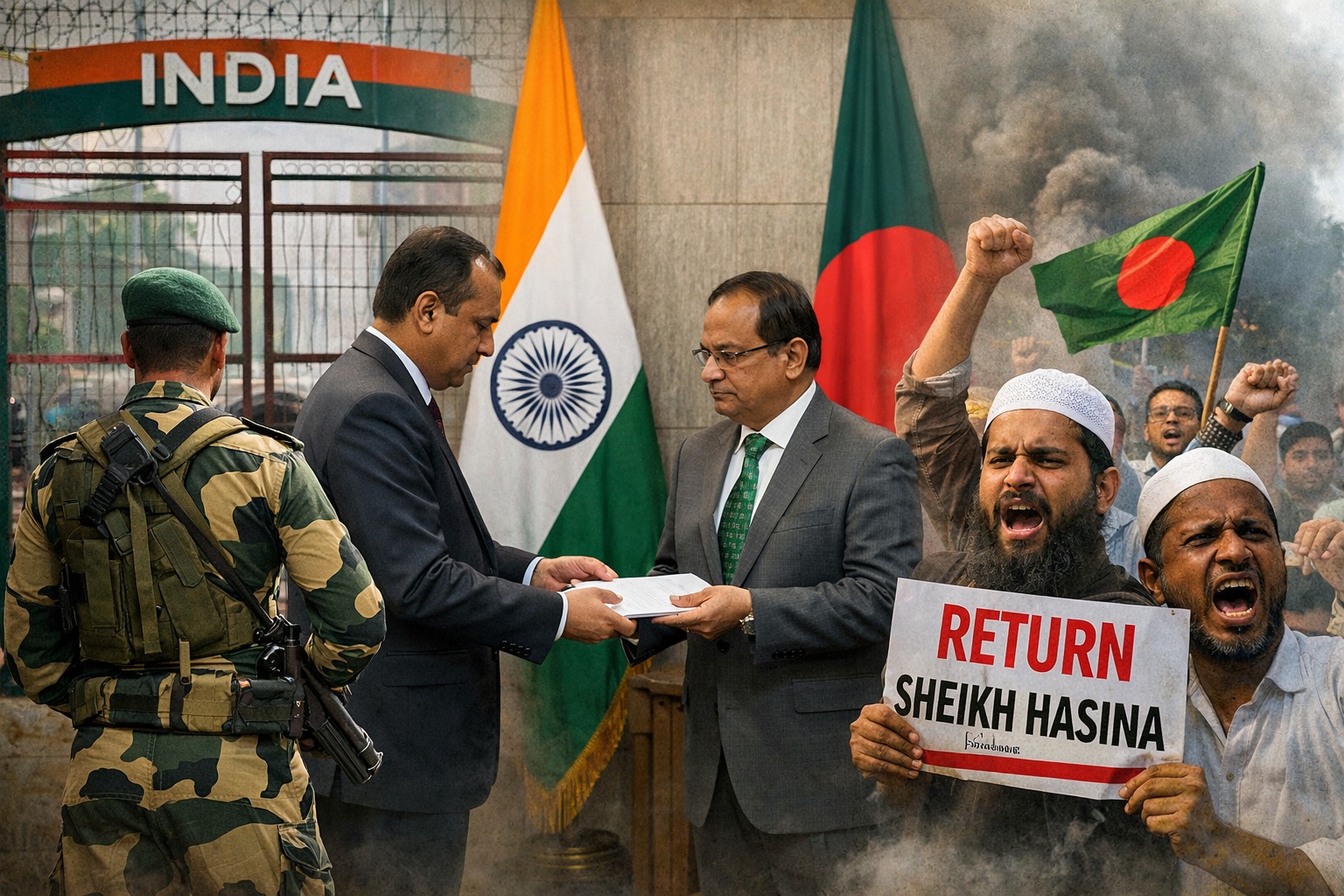
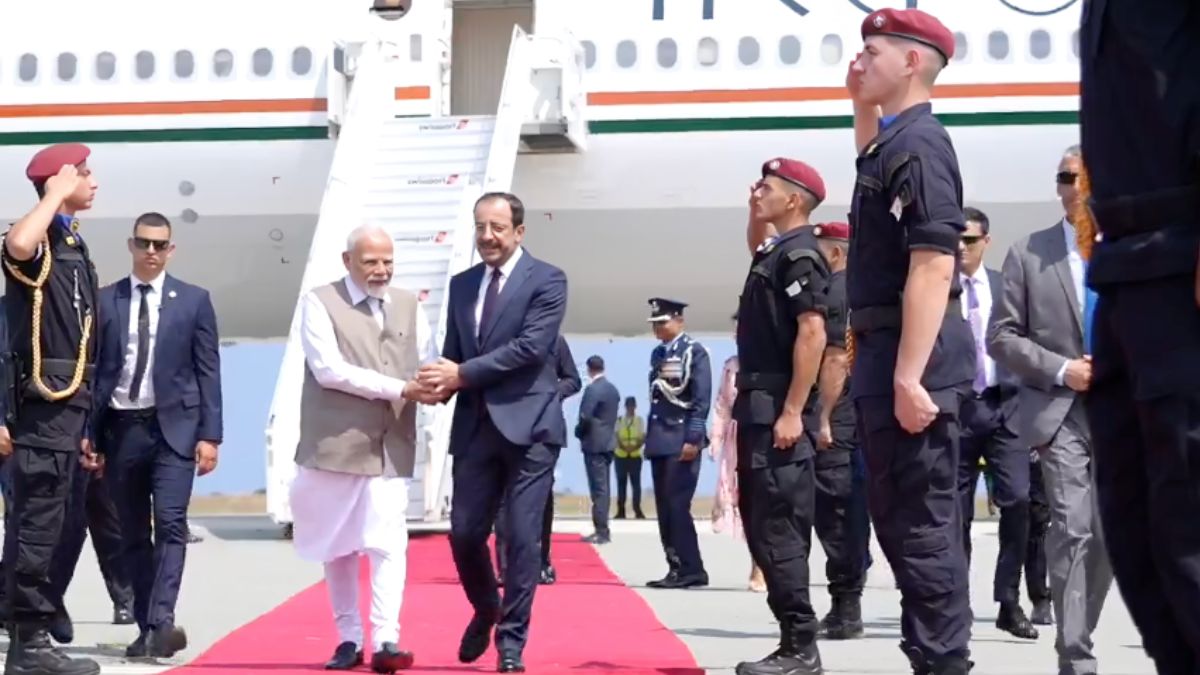
A composite visual depicting tightened border security, diplomatic engagement, and street protests in Bangladesh amid rising political tensions and security concerns affecting India–Bangladesh relations: AI-generated image via DALL-E

India has curtailed consular operations and escalated diplomatic engagement with Bangladesh amid what it has described as a deteriorating security situation in the country, marked by protests near Indian diplomatic premises, heightened political tensions, and warnings from political figures about growing radicalisation ahead of national elections.
The developments reflect New Delhi’s increasingly cautious posture as Bangladesh prepares for polls under an interim administration, with India citing concerns over the safety of its diplomatic mission and personnel in Dhaka.
Which visa centres has India closed and why?
India has shut two additional Indian Visa Application Centres (IVACs) in Rajshahi and Khulna on December 18, a day after suspending operations at the IVAC in Dhaka from the afternoon of December 17. Official notices on the IVAC website cited the “on-going security situation” as the reason for the closures.
Applicants scheduled for visa submissions on those dates have been informed that their appointments will be rescheduled. No timeline has been announced for the resumption of normal visa services.
The closures followed a protest march by a group operating under the banner “July Oikya”, which moved towards the Indian High Commission in Dhaka, pressing demands that included the return of former Prime Minister Sheikh Hasina.
What diplomatic steps has New Delhi taken?
On December 17, India summoned Bangladesh’s High Commissioner to New Delhi to convey what it described as strong concerns over the security situation in Bangladesh, particularly threats targeting the Indian Mission in Dhaka.
According to India’s Ministry of External Affairs, the High Commissioner was informed about activities by certain extremist elements who have allegedly announced plans to create a security situation around the Indian High Commission. New Delhi said these developments were a matter of serious concern.
The move came two days after Bangladesh summoned India’s High Commissioner in Dhaka to protest what it termed “incendiary statements” made by Sheikh Hasina from Indian soil, warning that such remarks could undermine the country’s upcoming parliamentary election.
How has Bangladesh responded to India’s concerns?
Bangladesh’s Foreign Affairs Advisor Touhid Hossain has rejected claims that the law-and-order situation has deteriorated. He said security arrangements remain in place and sought to distance the interim government from remarks made by individual student leaders, including statements threatening to sever India’s “seven sisters”, a term commonly used to describe India’s northeastern states.
Hossain said such remarks did not reflect the position of the government and dismissed India’s advice regarding election-related security, asserting that the interim administration is committed to holding a free and fair poll.
What warnings have been raised about Islamist mobilisation?
Concerns have been amplified by remarks from Sajeeb Wazed Joy, son of Sheikh Hasina, who has warned that Bangladesh is entering a dangerous phase marked by political exclusion and the growing influence of Islamist groups.
Wazed has accused the interim administration led by Nobel laureate Muhammad Yunus of sidelining secular political forces and allowing space for radical elements to mobilise. He has claimed that militant networks are re-emerging and cautioned that such developments could pose risks to India’s border regions. These claims have not been independently verified.
How does this fit into Bangladesh’s political context?
Bangladesh is preparing for national elections scheduled for February 12 under an interim administration that took office after Sheikh Hasina fled to India in August last year amid mass protests. Since then, relations between New Delhi and Dhaka have remained strained, with Bangladesh repeatedly seeking Hasina’s extradition. Last month, a Bangladeshi court sentenced her to death in absentia over her role in a violent crackdown on protests.
Observers have warned that the pre-election period has seen protests, counter-protests, and growing concerns over law and order, particularly around sensitive diplomatic and political sites.
What does this signal for India–Bangladesh relations?
India’s decision to scale back visa services and formally raise diplomatic concerns underscores its focus on safeguarding its diplomatic mission, personnel, and interests amid Bangladesh’s volatile political phase.
While New Delhi has avoided commenting on Bangladesh’s internal political outcomes, the measures point to a period of strain in bilateral relations as India recalibrates its approach in response to evolving security dynamics along its eastern frontier.