

Japan Unveils Record Defence Budget Amid China Tensions; 4th Year Of 5-Year Program To Double Annual Arms Spending
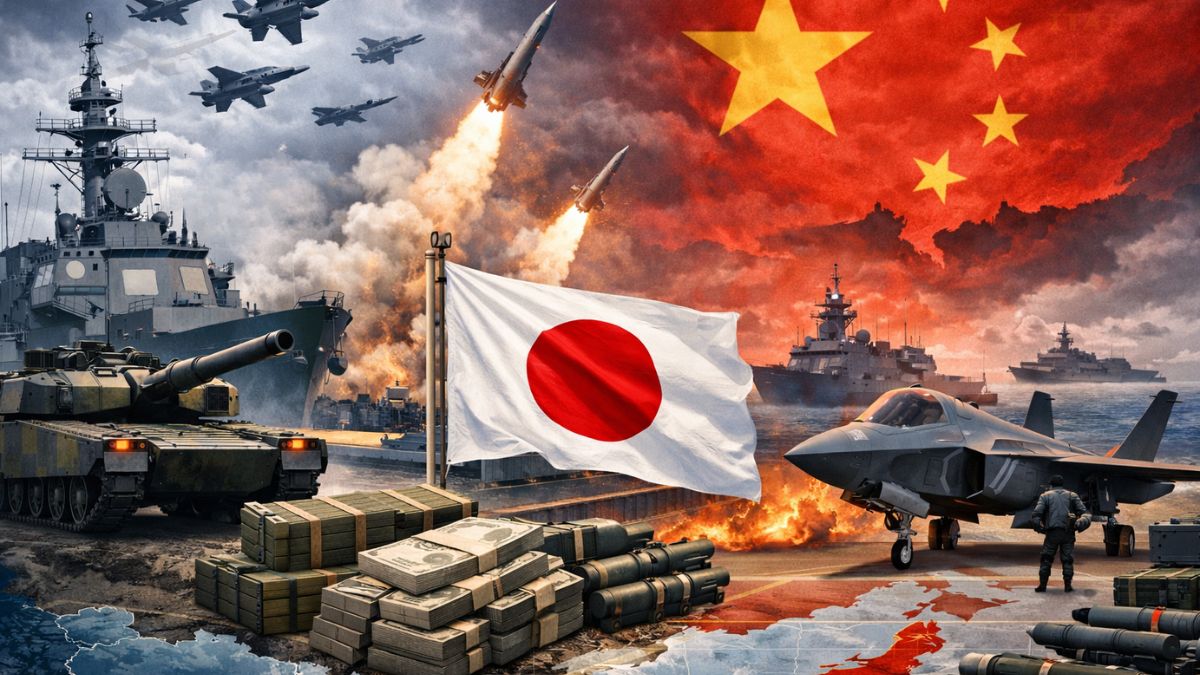
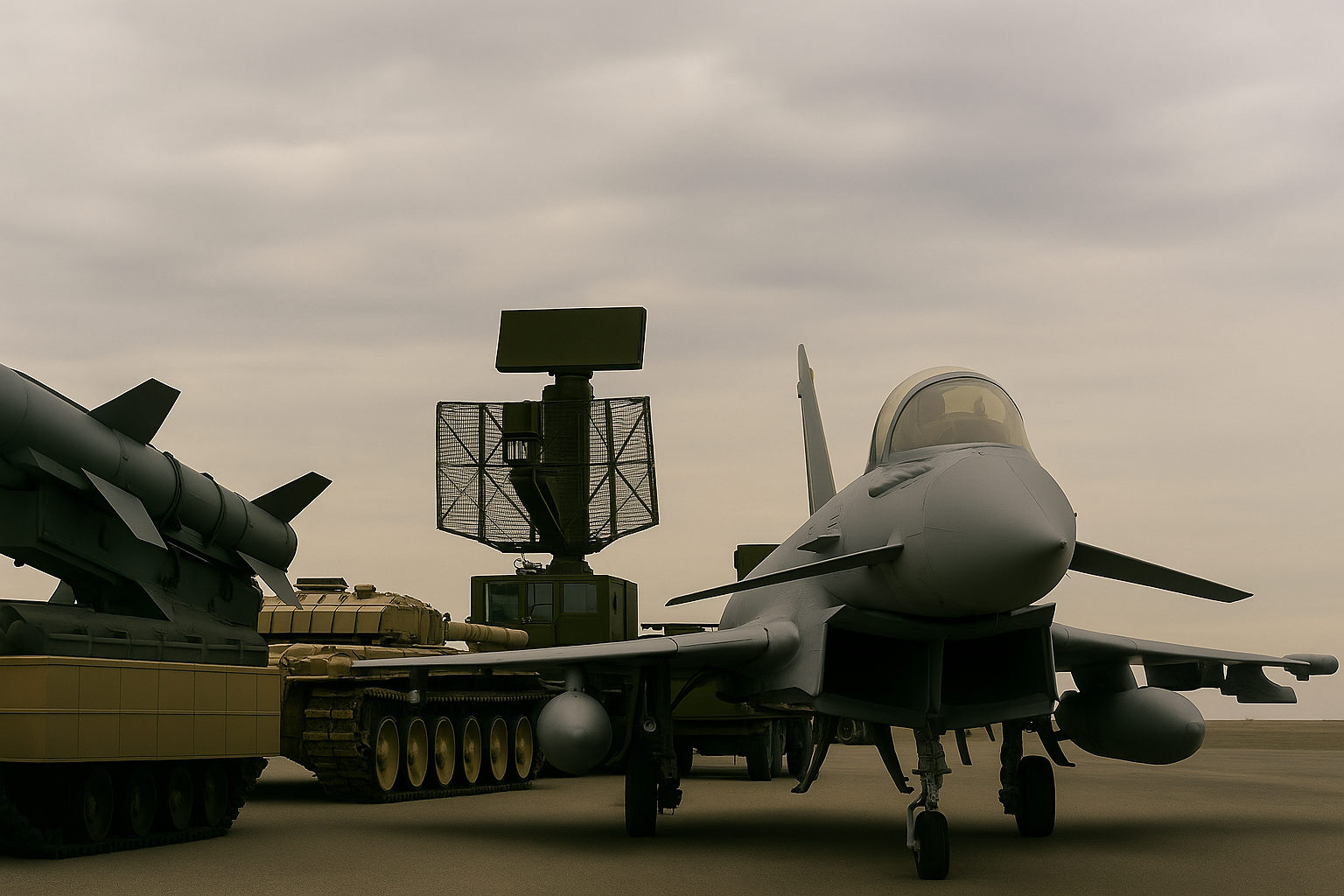
The five-year defence buildup programme would make Japan the world's third-largest spender after the US and China. Image courtesy: AI-generated picture via Sora

Over the past few months, the tensions between Japan and China have become pretty evident ever since Japanese PM Sanae Takaichi last month stated that her country’s military could get involved if Beijing were to take action against Taiwan. And now, in a move that speaks volumes, Tokyo has unveiled a record defence budget.
Japan’s Cabinet on Friday (December 26, 2025) approved a record defence budget exceeding 9 trillion yen ($58 billion) for the coming financial year, marking a decisive escalation in Tokyo’s military posture amid intensifying tensions with China, particularly over Taiwan and Beijing’s expanding naval activity in the Pacific.
The draft budget for fiscal 2026, beginning April next year, witnesses a a 9.4% increase over 2025 and forms the fourth year of Japan’s five-year plan to double defence spending to 2% of GDP, a long-standing benchmark encouraged by the United States.
Japan’s record defence budget: China-Taiwan flashpoint driving strategic rethink
The massive budget unveil came against the backdrop of increasingly sharp rhetoric and military signalling between Tokyo and Beijing. Japanese PM Takaichi last month warned that her country could become involved if China were to take military action against Taiwan, a self-governed island.
Tensions escalated further this month after Chinese aircraft carrier drills near southwestern Japan, during which Chinese aircraft reportedly locked radar onto Japanese planes, an act Tokyo views as a potential prelude to missile engagement. Japan’s current security strategy, adopted in 2022, explicitly names China as its biggest strategic challenge.
From defensive force to strike-back capability
A central feature of the new budget is Japan’s continued move away from its post-World War II self-defence-only doctrine toward an enhanced counterstrike capability. As part of the its new defence budget, Tokyo has earmarked over 970 billion yen ($6.2 billion) to boost its long-range “standoff” missile arsenal.
This includes a 177 billion yen ($1.13 billion) investment in upgraded Type-12 surface-to-ship missiles, which will have an extended range of about 1,000 km.
The first batch of these missiles will be deployed in Kumamoto prefecture in southwestern Japan by March, a full year earlier than originally planned, underscoring the urgency with which Tokyo views the regional threat environment.
Drones and coastal defence amid manpower constraints
Japan’s ageing population and chronic recruitment challenges within the Self-Defence Forces have pushed unmanned systems to the forefront of defence planning.
Newly unveiled Japanese defence budget allocates 100 billion yen ($640 million) for the deployment of large numbers of unmanned aerial, surface and underwater drones under a new coastal defence framework known as “SHIELD”, short for Synchronised, Hybrid, Integrated and Enhanced Littoral Defence, scheduled for rollout by March 2028.
To speed up deployment, Japan plans to initially rely on imports, potentially sourcing systems from Turkey or Israel, defence officials said.
Watching China’s expanding Pacific reach
Alarmed by China’s growing blue-water operations, Japan’s Defence Ministry will establish a new dedicated office to study Chinese military activity in the Pacific, including operational patterns and equipment. Concerns intensified after two Chinese aircraft carriers were spotted operating near Iwo Jima in June.
China has strongly criticised Japan’s defence expansion. Foreign Ministry spokesperson Lin Jian said Tokyo has “noticeably accelerated its pace of military buildup and expansion” since Takaichi took office. Lin further warned that Japan is deviating from the path of peaceful development and is moving further and further in a dangerous direction.
Defence budget to boost domestic industry
In addition to countering China, the newly unveiled budget is also remarkable for Tokyo in the sense that it aims to revitalise the domestic arms industry and expand global defence partnerships. For 2026, Tokyo plans to spend over 160 billion yen ($1 billion) on the joint development of a next-generation fighter jet with Britain and Italy.
Nearly 10 billion yen ($64 million) has been allocated to support the defence industrial base and promote arms exports, following Japan’s easing of long-standing export restrictions.
Meanwhile, Japan’s latest defence plan must still win parliamentary approval by March 2026 as part of Japan’s 122.3 trillion yen ($784 billion) national budget. Once fully implemented, Japan’s five-year buildup will push annual defence spending close to 10 trillion yen ($64 billion), making it the world’s third-largest military spender, after the US and China.
To fund the surge, the government plans to raise corporate and tobacco taxes, with income tax increases slated from 2027, though the sustainability of higher defence spending as a share of GDP remains an open political question.