


DRDO Chief Pushes For Defence R&D Budget Hike From 5.5%; Shares Next-Gen Firepower India Plans To Induct

DRDO is focusing on next-gen capabilities, like underwater domain awareness, ballistic and hypersonic missile defence. Image courtesy: RNA

As the character of warfare rapidly evolves across land, air, sea, space and cyber domains, Defence Research and Development Organisation (DRDO) Chairman Samir V Kamat has a issued a load and clear message – India must significantly raise its defence research and development (R&D) spending to secure long-term military and technological advantage.
Speaking at a key defence forum, Kamat outlined both the rationale for higher investment and also discussed DRDO’s near-term roadmap to boost India’s indigenous firepower. “We have to be developed by 2047, and we are on the path to being a leader in defence technology. But at the same time, we have many challenges,” he said.
Why did the DRDO chief call for a higher R&D budget?
Addressing the 40th Air Chief Marshal (Retd) PC Lal Memorial Lecture organised by the Air Force Association, Kamat stressed that India’s current R&D expenditure is not commensurate with its strategic ambitions. He pointed out that India allocates just 0.65% of its GDP to R&D, far below the over 2% spent by competing nations.
Within the defence sector, the imbalance is even more stark. According to Kamat, only 5.5% of India’s defence budget is devoted to R&D, compared with more than 10% in the United States. He warned that without sustained investment in innovation and technology development, India risks falling behind in an era defined by rapid technological transformation.
How is the nature of warfare driving this push?
Kamat underlined that modern conflict is no longer confined to traditional battlefields. Warfare today spans land, air, sea, space, cyber and information domains, with emerging technologies reshaping how wars are fought and won.
Against this backdrop, India’s ambitions – Aatmanirbhar Bharat, Make in India and becoming a developed nation by 2047 – require the country to transition from a technology importer to a technology leader in defence. Kamat acknowledged that while India is on this path, significant challenges remain in capacity building, infrastructure and innovation ecosystems.
Suggesting so, Kamat emphasised that government laboratories alone cannot deliver technological leadership. Greater participation from private industry, start-ups and MSMEs in design and development is critical, he said. He also highlighted the need for deeper academic involvement in basic and applied research on future technologies.
“Civil–military fusion is the need of the hour,” Kamat noted, adding that without such collaboration, India would struggle to break out of its current limitations.
How is DRDO strengthening its innovation ecosystem?
Kamat detailed several initiatives already underway. DRDO is increasingly adopting a development-cum-production partnership model and has signed more than 2,000 Technology Transfer Agreements (ToTs) to push indigenous systems into production. Its ‘Dare to Dream’ innovation contest continues to attract new ideas, while DRDO test facilities have been used by around 600 industries since 2022.
On the human capital front, the DRDO–Ministry of Education collaborative PhD programme has placed 39 doctoral scholars in IITs, NITs and other institutions to work on defence technologies. Elective courses across BTech, postgraduate and diploma programmes are also being run to skill youth specifically for defence R&D.
What are DRDO’s next-generation capability focus areas?
Looking ahead, Kamat said DRDO is concentrating on critical future capabilities, including Underwater Domain Awareness; Space Situational Awareness; Intelligence, Surveillance and Reconnaissance (ISR); Man–Unmanned Teaming (MUM-T); Cyber Defence and secure communications; Networking and AI-enabled command and control; Ballistic and hypersonic missile defence.
These efforts fall under Operation Sudarshan Chakra, referenced by PM Narendra Modi in his latest Independence Day address.
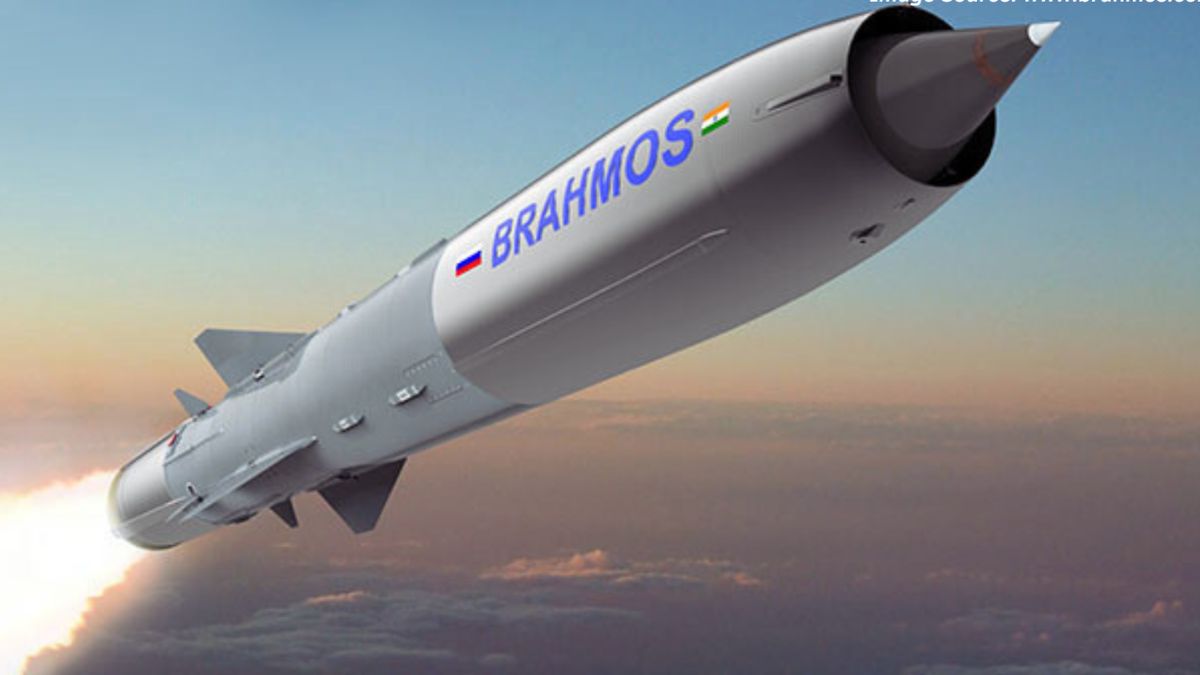
In a significant update on near-term firepower, Kamat said that within the next one to three years, India plans to induct a range of DRDO-developed systems, including Anant Shastra surface-to-air missile, guided Pinaka rocket system, advanced lightweight torpedo, extended range anti-submarine rocket, very short range air defence system (VSHORADS), vertical launch short range surface-to-air missile, dhruvastra anti-tank guided missile, naval anti-ship missile (short range), RudraM-2 air-to-surface missile.
DRDO’s long-term goal for 2047
Concluding his address, DRDO chief Kamat expressed confidence that India can achieve full atmanirbharta and technology leadership in defence by 2047, provided policy, funding and partnerships align. He identified key areas where complete self-reliance must be achieved.
These include missile systems, armoured vehicles, artillery, guns and ammunition, combat aircraft, helicopters, ships and submarines, AEW&C platforms, radars, electronic warfare systems, sonars and torpedoes. “The road ahead will be challenging but exciting,” Kamat said, signalling that India’s defence R&D push is entering a decisive phase.