


DRDO Focusing On Advanced Electronic Warfare Technologies To Propel India To Global Standards: Scientist

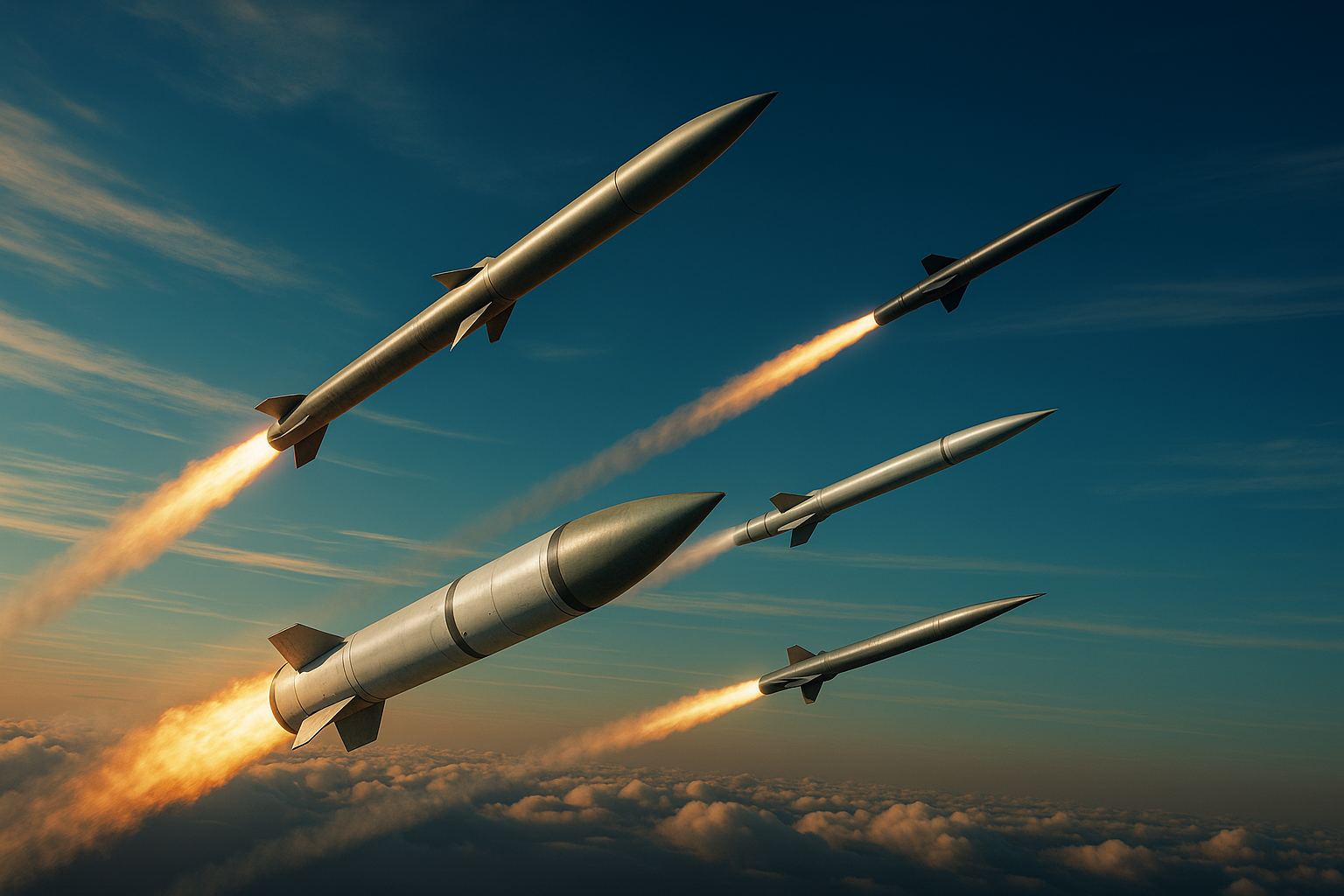
India’s defence research push is focusing on advanced electronic warfare, spectrum dominance and indigenous fighter platforms as DRDO works to elevate the country to global military technology standards. Image courtesy: AI generated picture via DALL-E

India’s Defence Research and Development Organisation (DRDO) is currently working on advanced, next-generation technologies in electronic warfare, spectrum dominance, and indigenous fighter jets, with a focus on self-reliance, to propel the nation to global military standards, a top DRDO official has said.
Speaking in Bengaluru on the sidelines of the Electronic Warfare Conference for India, DRDO Director General (Electronics and Communication Systems) B. K. Das told reporters that India’s military research agency was working on advanced technologies that would shape the future of warfare in the coming decades.
What are the future technologies that DRDO is working on?
“The futuristic focus areas include spectrum dominance with cognitive learning, along with new technologies such as photonics and quantum technologies,” Das
said, replying to questions. He said these advanced technologies would provide “flexibility, agility, and decisive power” in electronic warfare for India.
The conference brought together key stakeholders in the electronic warfare domain, such as the research institutions, academia, and the industry to identify and work on a common objective to develop advanced technologies for a rapidly evolving battlefield.
“The main focus is to bring together the entire electronic warfare ecosystem of the country, industry, academia, and research institutions to work towards a
common cause in this emerging domain of warfare,” he said.
How is the Indian focus on self-reliance in defence gaining momentum?
Das also spoke about gaining momentum in global participation in the development of indigenous technologies under the ‘Aatmanirbhar Bharat’ (Self-Reliant India) initiative.
Regarding budgetary support from the government for military technology research, the defence scientist said funding was never a problem for the DRDO or any other institution.
“The budget has never been an issue for DRDO. We have always been well supported by the ministry,” he said. The focus remained on cutting-edge technologies to make India a global defence technology leader by 2047, he added.
How is India planning to dominate battlefield with advanced technologies?
Das said India must dominate the skies with advanced aerial combat platforms, weapons, and sensors produced within the country. “India has to reign the skies. The fighter aircraft must be of our own-powered by indigenous technologies and equipped with indigenous weapons,” he said.
The Light Combat Aircraft (LCA) Tejas Mk-1 and Mk-1A were ready, he said, describing the current phase as “only the beginning.” The work on the Tejas Mk2 was progressing, while the Advanced Medium Combat Aircraft (AMCA) project focused on stealth technologies, he added.
“If you want to dominate the sky, stealth (aircraft) is the way forward,” he said, adding that the government had already sanctioned the AMCA project pursued jointly by the Aeronautical Development Agency (ADA), the Hindustan Aeronautics Ltd (HAL), and the DRDO.
What progress has India made on indigenous sensors and weapons?
Highlighting the progress in indigenous sensors and weapon systems, Das said the Uttam Active Electronically Scanned Array (AESA) radar had proven its
capabilities.
“We are developing our radar. The Uttam AESA radar has proven to be among the best, and in many aspects better than the best across the world,” he said. The radar, along with jammers, weapon systems and missiles, was ready for integration with fighter platforms, he added.
The LCA Mk-1 was ready, Mk-1A deliveries would proceed as per schedule, the Mk-2 would roll out in three to four years, followed by the AMCA, enabling India to field fully indigenous fighter aircraft, the top DRDO official said.
India’s defence R&D spend annually is about Rs 27,000 crore, and central to achieve global standards is the self-reliance push from the government on indigenous platforms, sensors, and weapons, as proven during the May 2025 Operation Sindoor against terror outfits and military installations inside Pakistan.