Accountability Must Follow: India Flags Attacks On UN Peacekeepers, Warns Of Wider West Asia Fallout
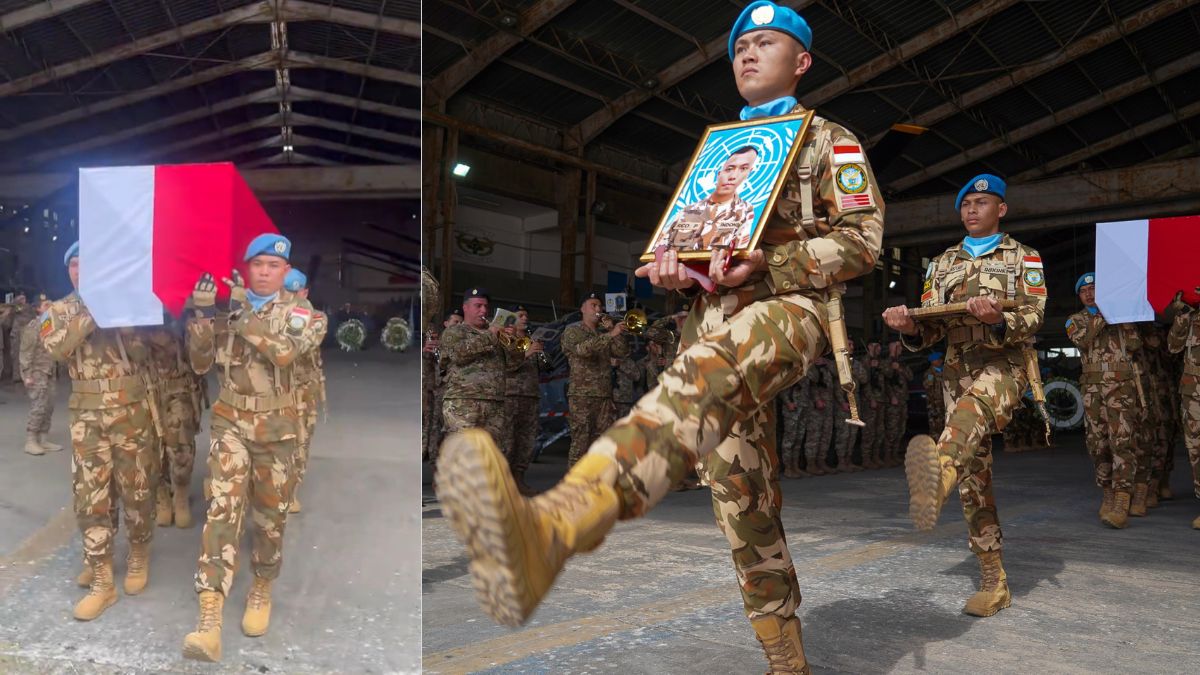
India has strongly condemned attacks on UN peacekeepers serving with the United Nations Interim Force in Lebanon. Image courtesy: RNA

India has called for strict accountability for attacks on UN peacekeepers and raised concerns over escalating instability in West Asia, warning of its wider implications for global security and economic stability. The latest remarks come a few weeks after the MEA urged all parties to ensure the inviolability of the UN mission and the safety and security of the Peacekeepers.
“There must be accountability for crimes against these peacekeepers,” India told the United Nations Security Council (UNSC), as it strongly condemned recent attacks on UN personnel and demanded swift investigation and justice.
Focusing on Lebanon, New Delhi strongly condemned attacks on UN peacekeepers serving with the United Nations Interim Force in Lebanon (UNIFIL), stressing that their safety and security are “non-negotiable” and calling for time-bound investigations to bring perpetrators to justice.
What did India say at the UNSC about the West Asia crisis?
Speaking at the UNSC’s quarterly open debate, India’s Charge d’Affaires Yojna Patel highlighted how the recent developments in the region have had serious implications across domains, including international peace and security, energy supplies, food security and global trade.
Describing West Asia as India’s “proximate neighbourhood”, she highlighted the country’s deep stakes in regional stability, noting that trade and energy supply chains are closely tied to the region and that nearly 10 million Indians live and work in the Gulf.
What is India’s position on the ongoing conflict?
Reiterating its consistent position since the outbreak of the latest conflict on February 28, India called for dialogue, diplomacy and de-escalation, while stressing the need to respect sovereignty and territorial integrity of all states.
It also urged all parties to prioritise civilian safety and avoid further escalation, signalling a balanced approach amid intensifying regional tensions.
Raising concerns over maritime security, Patel cautioned against targeting commercial shipping in the Strait of Hormuz, terming such actions unacceptable and in violation of international law. She noted with concern the loss of Indian seafarers’ lives and called for the early restoration of safe and unimpeded navigation, recalling India’s support for a UNSC resolution on the issue.
What did India say about Gaza and the West Bank?
On Gaza and the West Bank, India flagged the worsening humanitarian situation, expressing concern over civilian casualties, including women and children, and the destruction of infrastructure.
It reiterated its support for a two-state solution and ongoing development assistance to Palestinians, maintaining its long-standing diplomatic stance.
What is the significance of the Lebanon ceasefire?
India welcomed the announcement of a ceasefire in Lebanon and expressed hope that it would advance negotiations between Israel and Lebanon, paving the way for lasting peace. At the same time, it underlined that attacks on peacekeepers undermine international efforts to stabilise the region.
On Syria, New Delhi reiterated support for a Syrian-led and Syrian-owned political process, alongside its continued humanitarian and developmental assistance—signalling its emphasis on inclusive, locally driven solutions.
With this, India stressed that West Asia “cannot remain a theatre of conflict”, noting that the region’s people deserve peace, dignity and hope.