
After Defence Pact With UAE, PM Modi’s Israel Visit Set To Renew Security Pact As India Eyes Bigger West Asia Reach
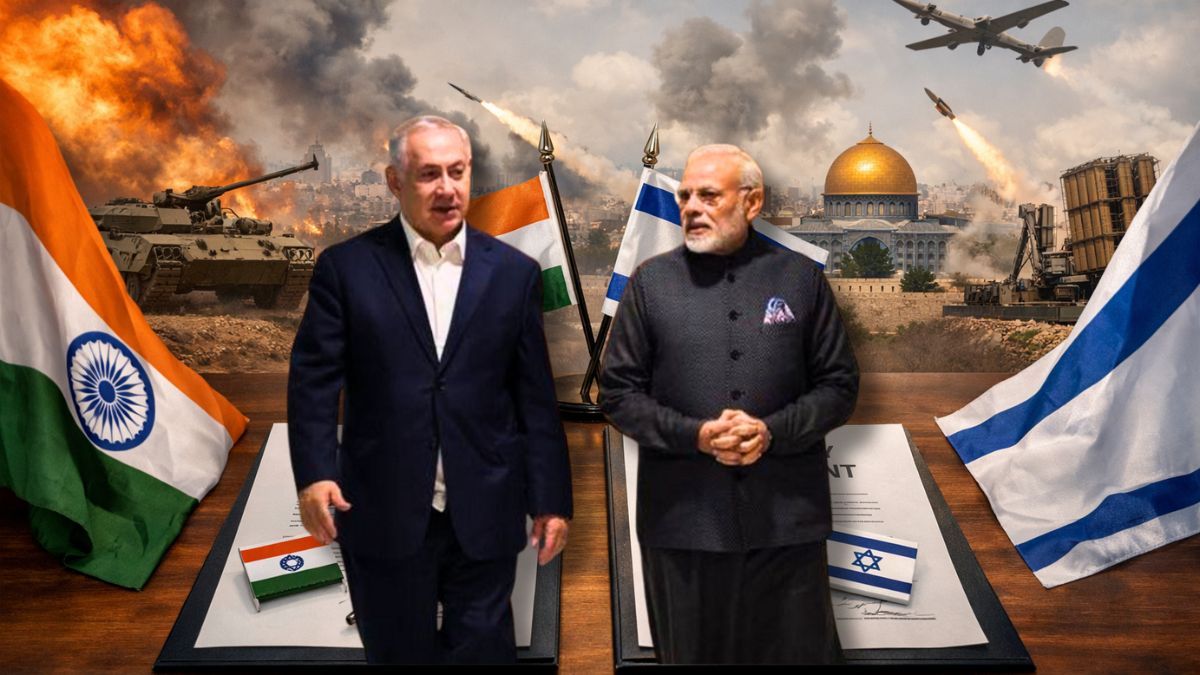
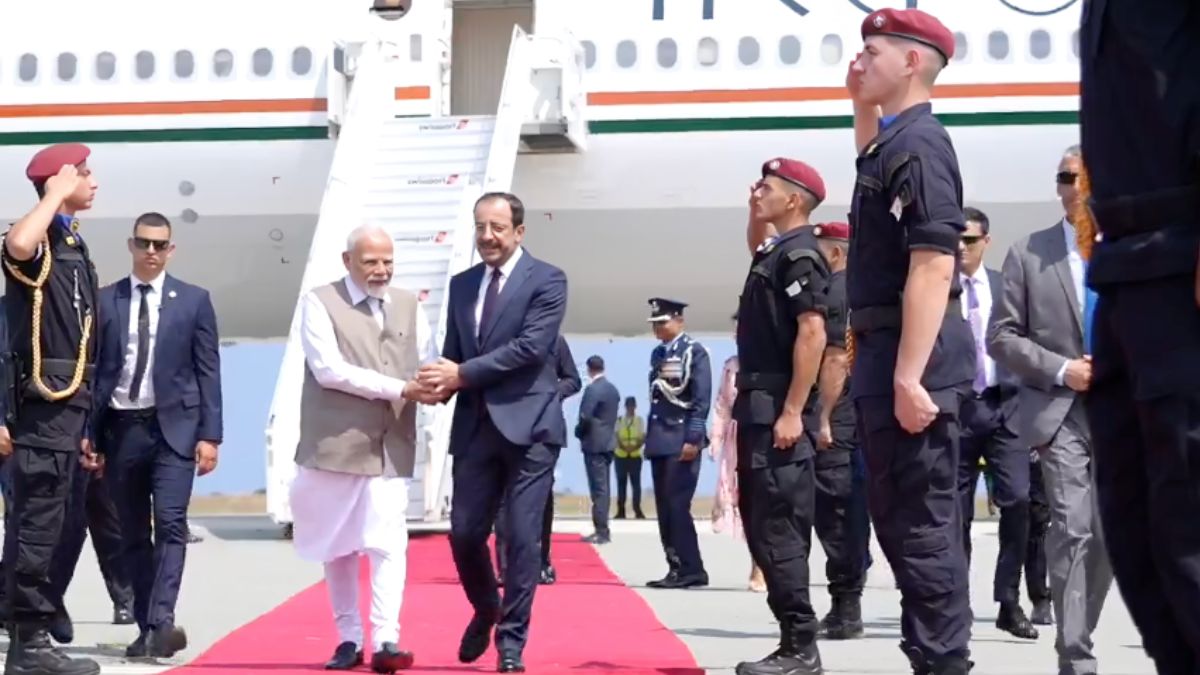
It is learnt that boosting overall defence and security cooperation between the two sides will be a major area of discussions. Image courtesy: RNA

Prime Minister Narendra Modi’s two-day visit to Israel beginning Wednesday (February 25, 2026) is expected to mark a decisive moment in India-Israel ties, with both sides likely to renew their bilateral security pact against the backdrop of fast-shifting geopolitics in West Asia, among other key engagements.
Negotiations to update the long-standing security framework are in advanced stages and could be concluded during the visit, according to officials familiar with the discussions. The move comes amid deepening regional alignments, rising security threats and intensifying high-tech cooperation among like-minded nations.
This would be PM Modi’s first visit to the West Asian country in nearly a decade, as he last was on a State Visit to Israel in 2017, becoming the first Indian Prime Minister to do so.
India-Israel security pact renewal: Why is it significant now?
India and Israel have long cooperated closely in counter-terrorism, intelligence sharing, defence technology and homeland security. However, the regional landscape has evolved dramatically in recent years. Key factors shaping the renewal include rising extremism and transnational security threats, expanding cyber and AI-driven warfare domains, realignments among Gulf and Mediterranean powers, growing defence partnerships across West Asia,
The pact renewal is expected to institutionalise collaboration in emerging domains such as artificial intelligence, cybersecurity, drone warfare and advanced defence technologies.
How would it fit into India’s West Asia strategy?
PM Modi’s two-day Israel visit follows closely on the heels of the UAE President’s recent trip to India, which saw the launch of a new India-UAE defence pact. That development unfolded amid a Saudi Arabia-Pakistan defence agreement, growing strategic recalibrations within the Gulf, subtle tensions between Abu Dhabi and Riyadh.
Taken together, the India-Israel security renewal and India-UAE defence pact point to a strengthening strategic convergence between New Delhi, Abu Dhabi and Jerusalem.
Since the signing of the Abraham Accords, the UAE and Israel have forged deeper economic, technological and security ties. India, which enjoys strong bilateral relations with both countries, has increasingly become a central node in this emerging triangle.
Is a broader regional axis taking shape?
Israeli Prime Minister Benjamin Netanyahu hinted at a larger strategic architecture ahead of Modi’s visit. Describing the trip as “historic,” Netanyahu spoke of building an “axis of nations committed to stability and progress,” referencing cooperation that could include India, select Arab states, Greece and Cyprus.
This aligns with India’s expanding strategic partnership with Greece, growing trilateral coordination among India, Greece and Cyprus, shared concerns over shifting power equations in the Mediterranean.
Analysts note that Turkey’s assertive regional posture has heightened coordination among several Mediterranean and West Asian states, potentially accelerating the formation of new strategic blocs. India’s participation in platforms such as I2U2 (India, Israel, UAE, US) and the proposed India-Middle East-Europe Economic Corridor (IMEC) further embeds it in this evolving architecture.
What role will technology play?
Both leaders have emphasised innovation and high-tech collaboration as pillars of the partnership. “We are partners in innovation, security, and a shared strategic vision. From AI to regional cooperation, our partnership continues to reach new heights,” Netanyahu wrote on X.
Responding, Modi affirmed that India deeply values its friendship with Israel, built on “trust, innovation and a shared commitment to peace and progress.”
By renewing its security pact with Israel while deepening defence cooperation with the UAE, India appears to be carefully weaving a network of partnerships designed to enhance resilience amid regional churn. If the security pact renewal is finalised, PM Modi’s Israel visit could mark the next phase of India’s West Asia engagement.