At UN, Nations Demand Opening of Hormuz, Iran Seeks Sanctions Relief to De-escalate
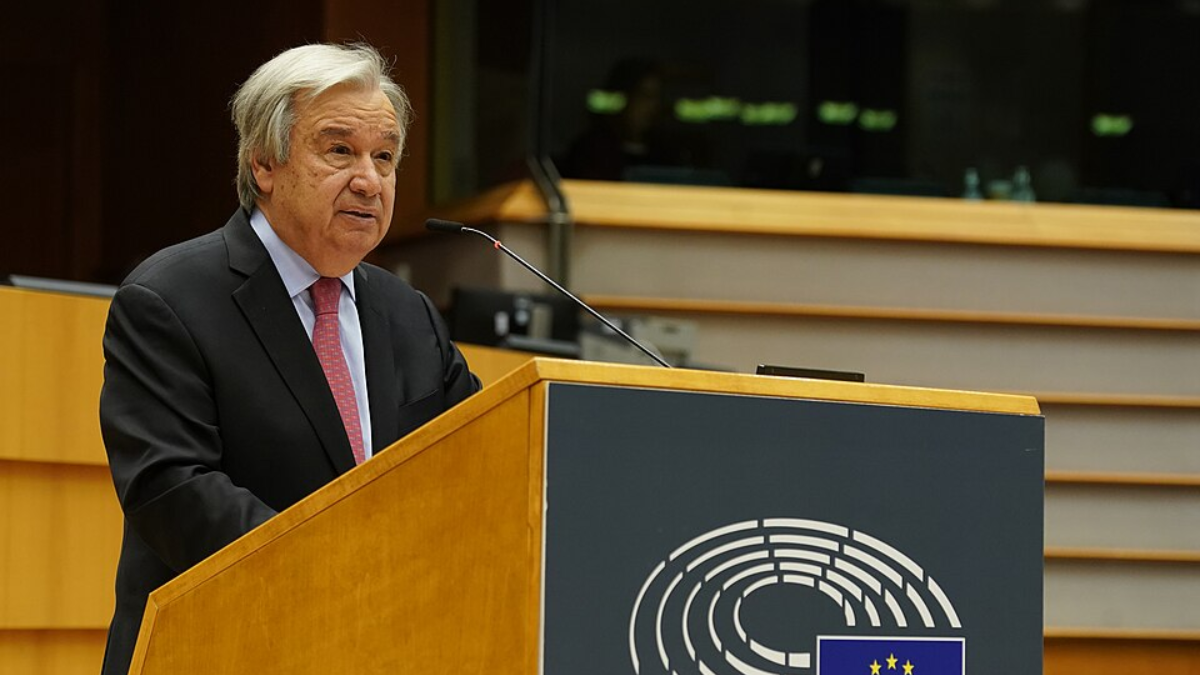
Antonio Guterres. Image courtesy: Wikimedia

Dozens of nations have reiterated their “call for urgent and unimpeded opening” of the Strait of Hormuz, even as negotiations between the US and Iran remain in limbo.
The nations, led by Bahrain, issued a joint statement asking for freedom of navigation through the Strait of Hormuz, which has been under an Iranian blockade since February 28, when a joint US-Israel airstrike on Iran led to the latest West Asian military conflict.
Meanwhile, UN Secretary-General Antonio Guterres told the Security Council that the global institution should support an emergency framework, as suggested by the International Maritime Organisation (IMO), amidst the stalled US-Iran negotiations.
Guterres warned about the consequences of waiting to address the “worst supply chain disruption” since the COVID-19 pandemic and the Ukraine war.
“These pressures are cascading into empty fuel tanks, empty shelves, and empty plates. The humanitarian toll is mounting,” Guterres told the 15-member UNSC.
“I appeal to the parties: open the strait; let ships pass; no tolls, no discrimination; let trade resume; let the global economy breathe,” he appealed.
He noted that the “prolonged disruption risks triggering a global food emergency, pushing millions, especially in Africa and South Asia, into hunger and poverty.”
Meanwhile, Iran offered to end the blockade of the Strait of Hormuz, provided the US lifts its naval blockade of its ports and ends the war and the economic sanctions on Tehran.
The proposal included postponing discussions on the Islamic Republic’s nuclear programme, according to unnamed regional officials.
However, US President Donald Trump seemed unlikely to acquiesce to the Iranian proposal, which was passed on to the Americans through Pakistan, which is playing mediator in the US-Iran negotiations.

The unresolved nuclear issue, which led to the US-Israel airstrikes on Iran on February 28, seems to be the sticking point between the two sides.
White House press secretary Karoline Leavitt said Trump’s national security team met Monday (April 27, 2026) to discuss the Iranian proposal but offered no details of the discussions or how the proposal was received by the American leadership.
Leavitt said Trump would address the American stance on the Iranian proposals later.
However, even as Trump extended the fragile ceasefire indefinitely, the standoff with Iran on issues such as unconditional opening of the Strait of Hormuz and abandoning the nuclear programme remained unresolved.
Meanwhile, the US naval blockade of the Iranian ports continues, depriving Iran of crucial oil revenues from oil sales, forcing Tehran to shut down its oil production.
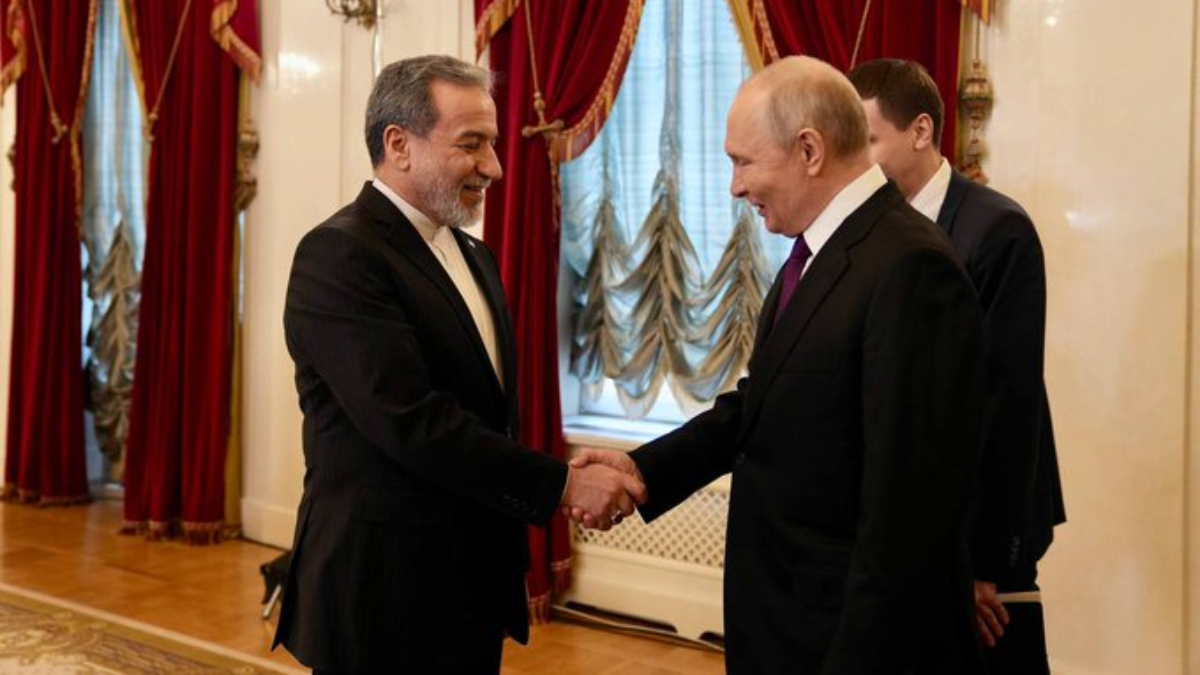
The Iranian proposal, though, emerged as its Foreign Minister Abbas Araghchi met Putin in Russia, which has extended full support to Iran in its ongoing war with the US and Israel.
Araghchi, after his Putin meeting, said the US and its leaders “have achieved none of their goals” in the war. “That’s why they ask for negotiation,” he said. “We are now considering it.”
He said Iran and Russia “are strategic partners” and that their “cooperation would continue.”
The meeting came as Pakistan has been seeking to revive stalled talks between Iran and the US. Araghchi was in Pakistan and Oman last week, before heading to Russia for the Putin meeting.
Araghchi had discussed with the diplomatic interlocutors the Iranian proposal during the 72-hour diplomatic sprint across three countries, seemingly aimed at securing a broader buy-in for the plan.
Trump said Iran already knew what was required. “They cannot have a nuclear weapon. Otherwise, there’s no reason to meet,” he said, adding that Tehran was welcome to reach out. “You know there is a telephone. We have nice, secure lines.”
Trump, under the 1973 War Powers Resolution, has a May 1 deadline to face, as he must obtain Congressional approval to continue the war against Iran, now in their ninth week.