

Beyond The Official Narrative: The Cultural Transformation Of Uyghur Life In Xinjiang
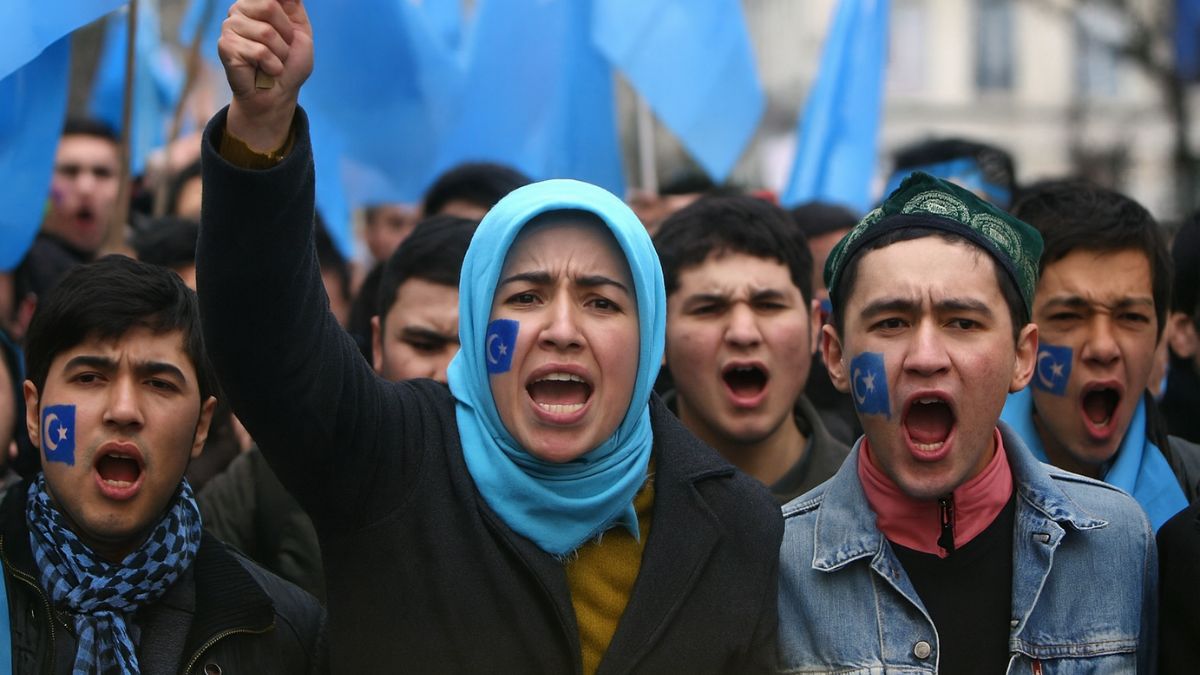
Image courteys: AI-generated picture via Sora

China has long insisted that stability and modernisation have delivered prosperity in Xinjiang. Official delegations are shown new roads, heritage facades and urban redevelopment, all framed as symbols of progress. Yet the picture beyond this curated narrative points to a very different outcome: the gradual dismantling of Uyghur cultural life.
Researchers, diaspora groups and satellite analysis document a methodical reordering of history, language and religious practice. What is unfolding goes beyond urban change or educational reform. It is a comprehensive project that weakens cultural identity at its foundations.
How have cities and heritage been reshaped?
Some of the most visible changes are physical. Cities once defined by Uyghur architecture have been rebuilt into uniform layouts that follow state planning priorities. In Kashgar, considered the cultural centre of Uyghur civilisation, traditional quarters were demolished and reconstructed under the label of heritage protection. The result is a sanitised environment where the idea of Uyghur identity is displayed rather than lived.
Across the region, residential neighbourhoods, shrines and traditional market areas have been redesigned. Former residents describe streets where prayer halls and family shops once stood now featuring tourism-oriented spaces and buildings aligned with official messaging. For many local people, the transformation has been so extensive that they struggle to recognise familiar places.
What has happened to language, faith and creative expression?
Uyghur language has been pushed into the margins of public life. Mandarin-first schooling has replaced Uyghur-medium instruction, textbooks in Uyghur have been withdrawn from classrooms, and parents worry about speaking their language in official settings. This loss in education severs access to poetry, literature and oral tradition.
Religious life has been disrupted as mosques and shrines have been closed, repurposed or removed altogether. These sites were central to family gatherings and community rituals. Their disappearance erases shared memory and alters cultural practice in ways that are difficult to recover.
Writers, academics and musicians face restrictions, surveillance or detention. Public performance continues under the state’s supervision, but traditions are presented as staged culture rather than living heritage. Meanwhile, artists in exile try to preserve music and literature, knowing their counterparts at home cannot work freely.
How is identity being reordered?
Place names have been changed, neighbourhoods renamed and history rewritten through official narratives. These measures weaken the link between geography and memory. A renamed village or reclassified historic site loses the stories that once defined it.
Technology reinforces these patterns. Xinjiang’s surveillance systems monitor movement, communications, cultural gatherings and contact with religious or community leaders. Activities that would normally sustain tradition become subject to risk. Technology becomes the mechanism through which cultural life is managed and regulated.
Why does this matter?
Uyghur culture continues to survive through families, diaspora communities and quiet observance in daily life. But cultural preservation should not require exile, adaptation or silence. The situation in Xinjiang carries implications well beyond one region. It demonstrates how state policy, urban design and technology can be used to recast identity on a large scale.
For governments and civil society elsewhere, it raises urgent questions about rights, accountability and the boundaries of state power. The pressures on Uyghur culture are not an accident of development. They are the outcome of deliberate policy. Understanding this reality is essential because safeguarding diversity relies on international attention, protection and political will.