European Nations Not Interested in Expanding Operation Aspides Mission to Hormuz
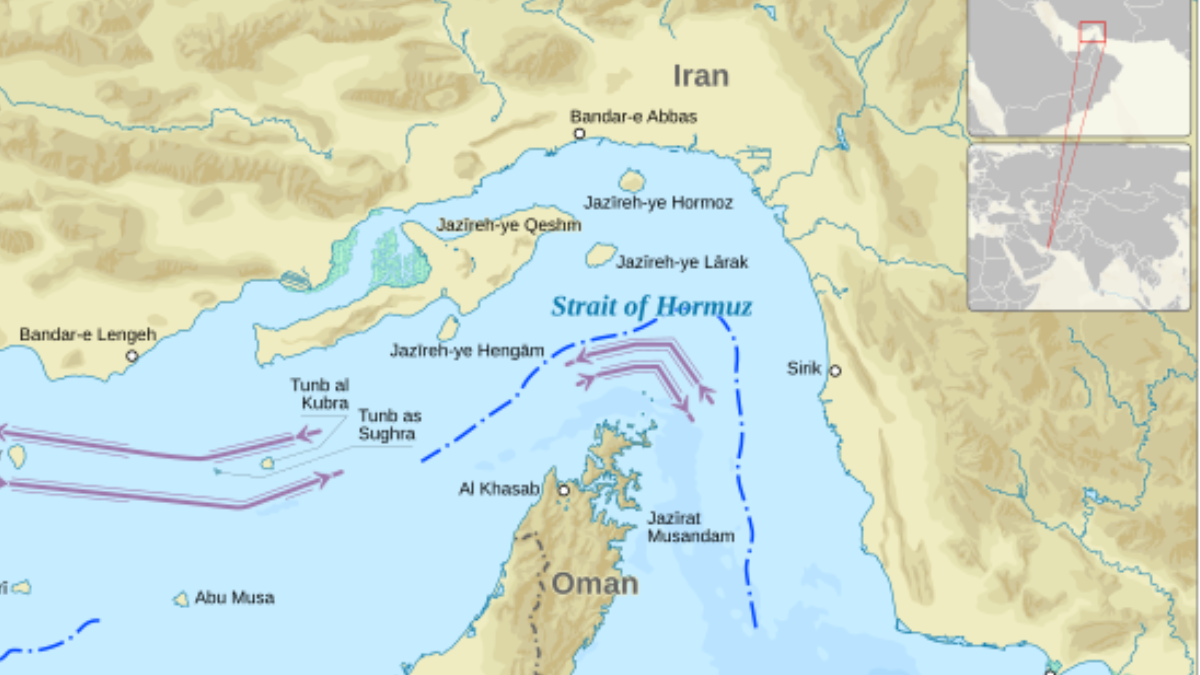
Iran Strait of Hormuz. Image courtesy: Wikimedia

The European Union has rejected US President Donald Trump’s demand to join an international naval mission to facilitate the passage of cargo ships through the Hormuz Strait.
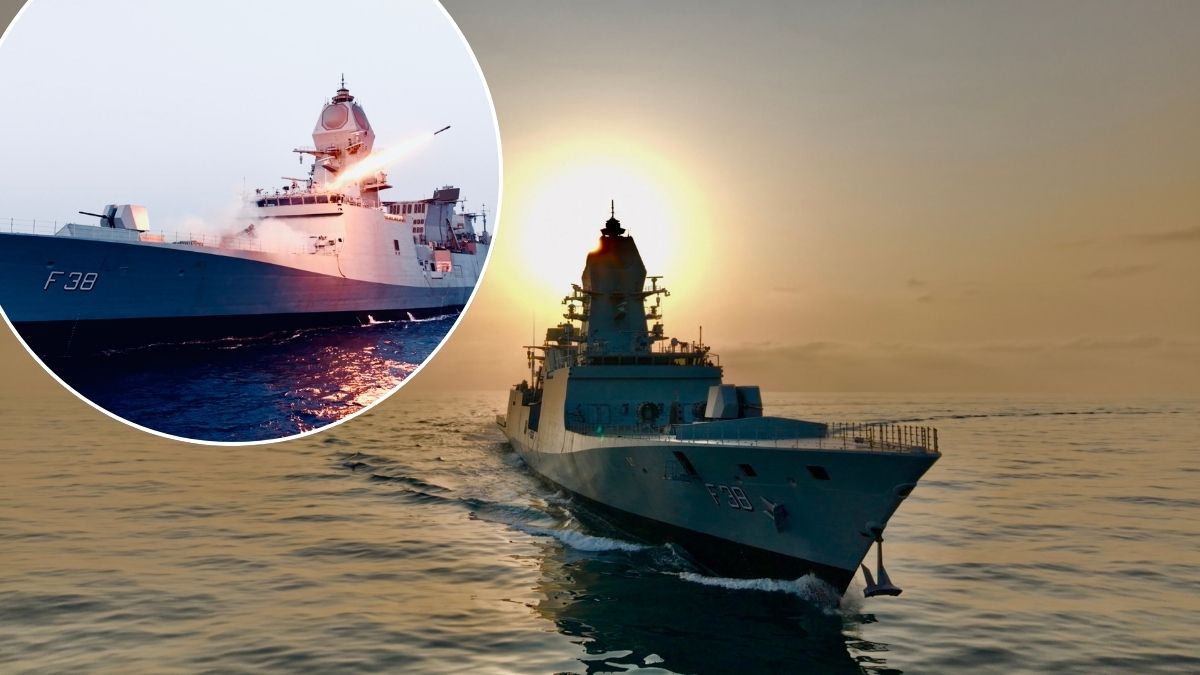
The EU’s foreign ministers, who met for the bloc’s Foreign Affairs Council meeting in Brussels, have shown no interest in expanding the mandate of their Operation Aspides in the Gulf region to counter the Iranian blockade of the narrow maritime choke point.
“There was no appetite for changing the mandate of operation Aspides, for now. While the Strait of Hormuz is at the centre stage, the Red Sea also remains critical,” EU Vice President and High Representative for Foreign Affairs and Security Policy Kaja Kallas said at a media briefing on Monday (March 16, 2026).
“The risk that Houthis get involved is real, so we must remain vigilant,” she said. Before the EU foreign minister met in Brussels, Kallas had suggested that the Operation Aspides flotilla was the “fastest” means to boost security for cargo ships transiting the Hormuz Strait.
After the foreign ministers’ meeting, she said there had been “no appetite” for extending the mission, which was established to protect ships from attacks by Yemen’s Houthis in the Red Sea. “Nobody wants to go actively in this war,” she said.
Earlier, Kallas had said the EU foreign ministers would consider for discussion at their meeting a possible expansion of the Operation Aspides naval mission to protect the Strait of Hormuz and secure commercial shipping amid rising tensions and energy market disruptions.
Iran had imposed a blockade of the Strait of Hormuz on February 28 after the US and Israeli airstrikes hit Tehran, killing Iranian Supreme Leader Ayatollah Ali Khamenei’s office compound, killing him, his family members, and other high-ranking Iranian administrative and military officials.
Since then, European leaders have considered the possibility of the EU naval mission for the Red Sea joining the US-led effort to restore freedom of navigation in the Gulf region, particularly the Hormuz Strait.
At the media briefing, Kallas said she talked with United Nations Secretary General Antonio Guterres on the potential EU naval mission’s expanded mandate for the Hormuz Strait, as was done for the Black Sea after Ukrainian food grain exports were blockaded by Russia since the 2022 war.
“I had talks with Antonio Guterres about whether it was possible to also have the same kind of initiative like we had the Black Sea initiative, how to get the grain from Ukraine out, because the closure of the Strait of Hormuz is really dangerous for the oil supplies, energy supplies to Asia,” Kallas said.
“85% of the oil and gas through the Strait of Hormuz goes to Asian countries. But it is also problematic for the fertilisers. And if there is a lack of fertilisers this year, there is also going to be food deprivation next year. So, we discussed with Antonio Guterres how to make this happen,” Kallas said.
Then, Kallas also said ministers would discuss the possibility of reassigning the EU naval mission Operation Aspides, whose mandate currently focuses on protecting ships in the Red Sea from Yemen-backed Houthis.