




India Approves Lease of Two More MQ-9 Drones for Navy, Boosting Maritime Surveillance and India–US Defence Ties
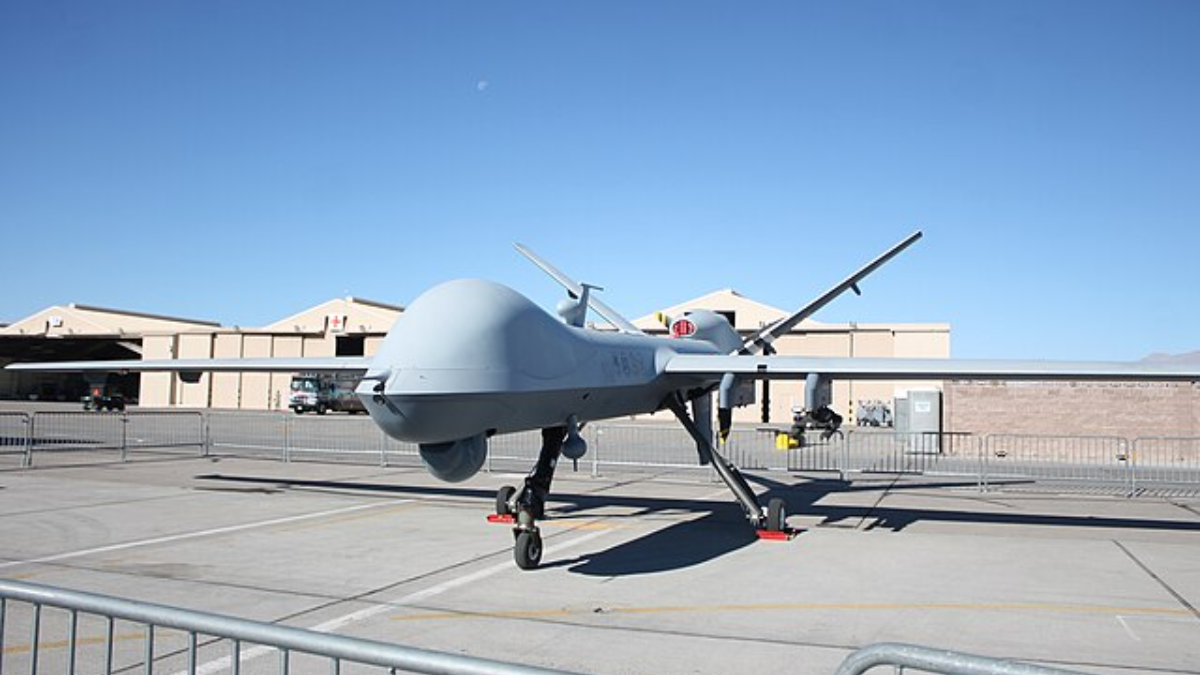

India has approved the lease of two additional MQ-9 high-altitude, long-endurance unmanned aircraft for the Indian Navy, significantly strengthening the country’s intelligence, surveillance, and reconnaissance (ISR) capabilities across the Indian Ocean Region.
The decision was cleared by the Defence Acquisition Council (DAC), chaired by Defence Minister Rajnath Singh, underscoring New Delhi’s growing reliance on advanced unmanned systems for maritime and border security.
What is the MQ-9 unmanned platform?
The MQ-9, built by US defence major General Atomics, is regarded as one of the world’s most capable unmanned aerial systems, offering long endurance, high-altitude operations and persistent, real-time surveillance.
The induction of additional MQ-9 platforms will enhance India’s maritime domain awareness in strategically sensitive waters, including key sea lanes and choke points in the Indian Ocean.
What is the background to the latest MQ-9 lease?
The latest approval comes five years after India first leased two MQ-9 aircraft in 2020.
Since then, the drones have proven to be a force multiplier for India’s ISR requirements, supporting naval operations and providing critical intelligence for monitoring maritime activity and safeguarding national interests.
How does this decision reflect the US-India defence ties?
More broadly, the move reflects the renewed emphasis placed this year by Prime Minister Narendra Modi and US President Donald Trump on expanding defence cooperation as a central pillar of the India–US strategic partnership.
With growing interoperability and collaboration in advanced technologies, the expanded use of MQ-9 drones highlights the deepening defence ties between the two countries and India’s focus on securing its land and maritime frontiers through cutting-edge capabilities.