

Saudi Bombs, Emirati Pullout: How Yemen Exposed the Deep Rift Between Riyadh and Abu Dhabi
Riyadh–Abu Dhabi Rift

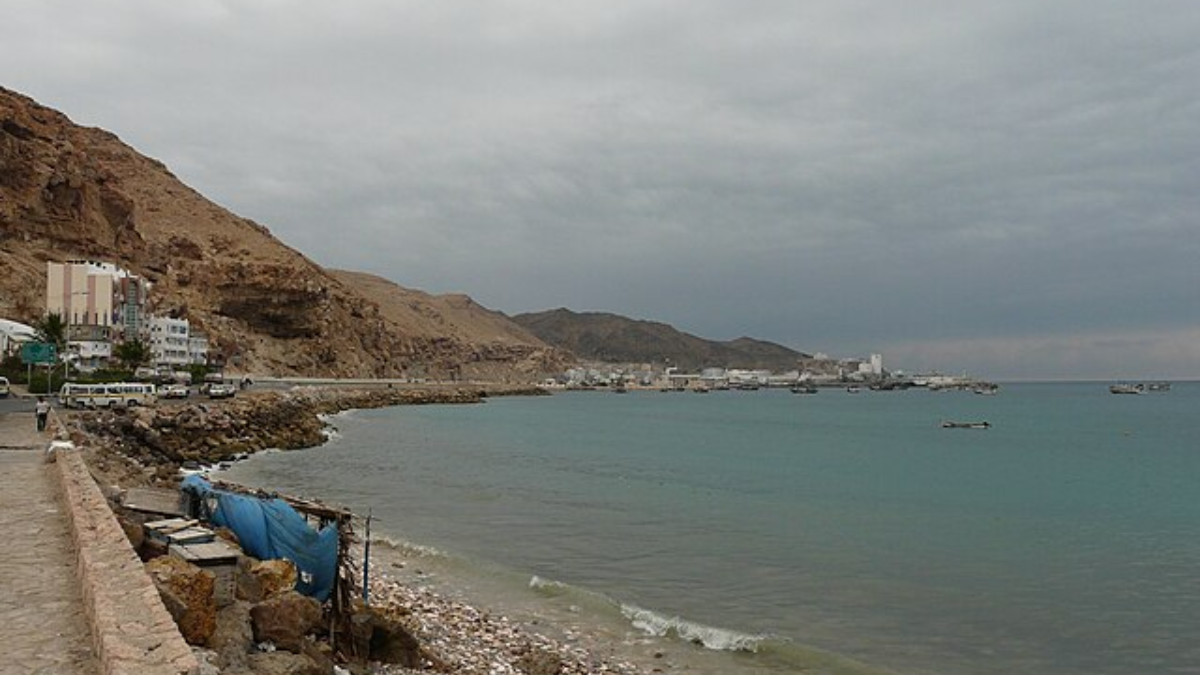
Saudi Arabia and the United Arab Emirates, once the twin pillars of the Gulf-led intervention in Yemen, are now openly diverging over the country’s future, a rift dramatically exposed by Saudi airstrikes on Yemen’s Mukalla port and Abu Dhabi’s decision to withdraw its remaining forces.
The escalation underscores how Riyadh and Abu Dhabi, despite shared origins in the 2015 coalition against the Iran-aligned Houthis, have pursued sharply different strategies in Yemen’s protracted civil war.
What is the immediate trigger for the Saudi-UAE fallout?
The immediate trigger was a limited Saudi-led coalition airstrike on Mukalla, the capital of Yemen’s eastern Hadramout province.
Riyadh said the strike targeted weapons and combat vehicles allegedly shipped from the UAE port of Fujairah without coalition authorisation and intended to support the Southern Transitional Council (STC), a powerful southern separatist group backed by Abu Dhabi.
Saudi officials said the vessels disabled their tracking systems and unloaded military equipment at the port, prompting the strike, which reportedly caused no casualties.
What was the UAE’s response to the Saudi strike in Yemen?
Abu Dhabi rejected the allegations, insisting the shipment contained vehicles for its own forces and denying any weapons transfer to Yemeni factions.
Shortly after the strike, the UAE announced it would withdraw its remaining personnel from Yemen, saying it had voluntarily ended the mission of its counterterrorism units following a reassessment of safety and effectiveness.
What is the deeper strategic split in the Saudi-UAE ties?
Behind the Mukalla incident lies a deeper strategic split. Saudi Arabia has consistently backed Yemen’s internationally recognised government, now operating through the Presidential Leadership Council led by Rashad al-Alimi.
Riyadh views Yemen primarily through a national security lens, particularly the stability of border provinces like Hadramout and al-Mahra, which share deep historical and tribal ties with the kingdom. Saudi officials have declared any military push by UAE-backed forces toward its borders a “red line.”
How does the UAE differ from Riyadh in Yemen?
The UAE, by contrast, has increasingly aligned itself with local actors who control territory on the ground, most notably the STC.
Originally part of the Saudi-led coalition, the STC broke ranks to seek self-rule in southern Yemen, arguing that the south’s political aspirations were sidelined after unification.
Abu Dhabi has supported the STC as a counterweight to Islamist groups and as a force capable of securing key ports and shipping lanes along the Gulf of Aden and the Arabian Sea.
Why did Saudi-UAE differences sharpen in recent days?
This divergence sharpened earlier this month when STC forces launched an offensive against Saudi-supported Yemeni government troops, seizing much of Hadramout and al-Mahra, including strategic oil facilities.
The advance broke years of stalemate and defied Saudi warnings, bringing the two Gulf powers closer than ever to a direct confrontation by proxy.
How did Saudi Arabia respond to the STC action?
Riyadh’s response was swift. Acting on Al-Alimi’s request, the coalition imposed airstrikes, declared temporary blockades, and warned it would prevent any foreign military support to Yemeni factions without coordination with the recognised government.
Saudi officials accused the UAE of pressuring the STC to rebel against state authority, a charge Abu Dhabi denies.
How did global players jump into the conflict?
International actors moved quickly to contain the fallout. The United States said Secretary of State Marco Rubio spoke with both Saudi and Emirati foreign ministers, while Gulf states including Kuwait, Bahrain, and Qatar, urged dialogue to avoid further escalation.
The dispute also rattled markets, with Gulf stock indexes falling amid concerns that Saudi-UAE tensions could complicate coordination within OPEC+, where both are key players.
What would be the impact of the UAE withdrawal?
For now, the UAE’s partial withdrawal may cool immediate tensions, but fundamental questions remain.
Will Abu Dhabi continue political or financial support for the STC? Can Riyadh prevent further fragmentation of Yemen while negotiating an end to the war with the Houthis, who still control the capital Sanaa and much of the north?
Do the latest tensions mean the end of Saudi-UAE jointness in Yemen?
What Mukalla ultimately revealed is that Saudi Arabia and the UAE no longer share a single vision for Yemen.
Riyadh prioritises a unified Yemeni state under a friendly central authority; Abu Dhabi has bet on powerful local partners and a decentralised order.
As Yemen’s war grinds on, these competing paths are reshaping not only the conflict, but also the balance of power within the Gulf itself.