V For (Visa) Vendetta: After India, Bangladesh Suspends Services, Summons Indian High Commissioner As Delhi-Dhaka Ties Hit Turbulence
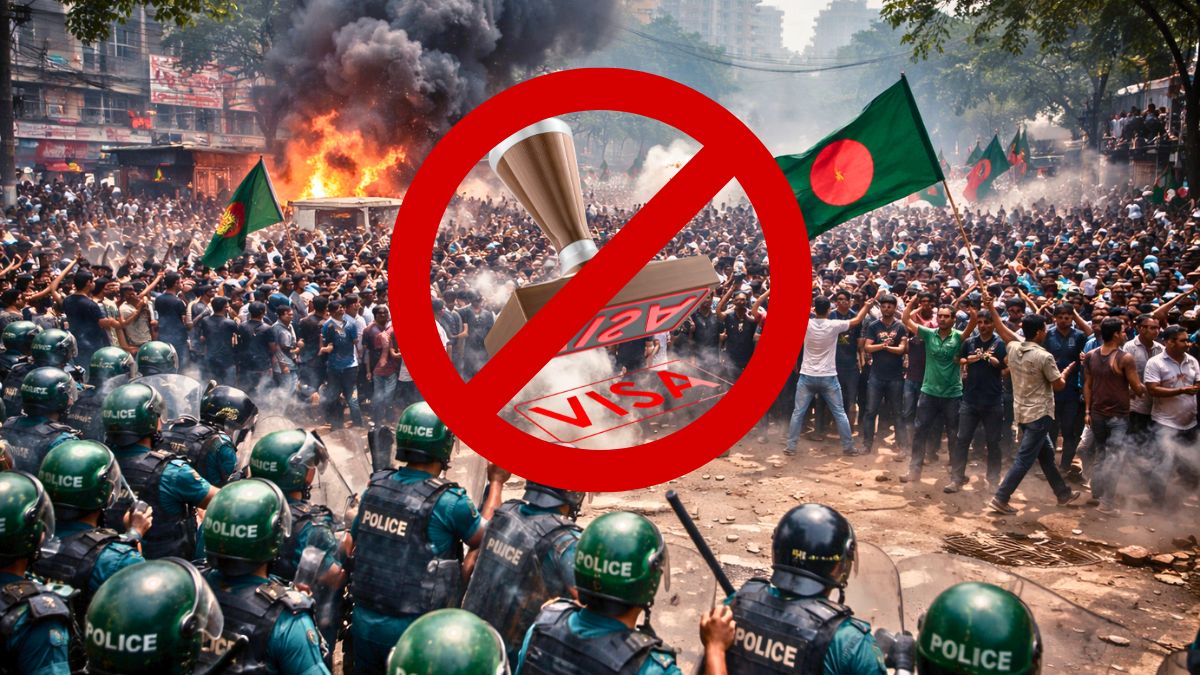
Bangladesh Foreign Ministry has summoned Indian High Commissioner to Bangladesh Pranay Verma. Image courtesy: AI-generated picture via Sora

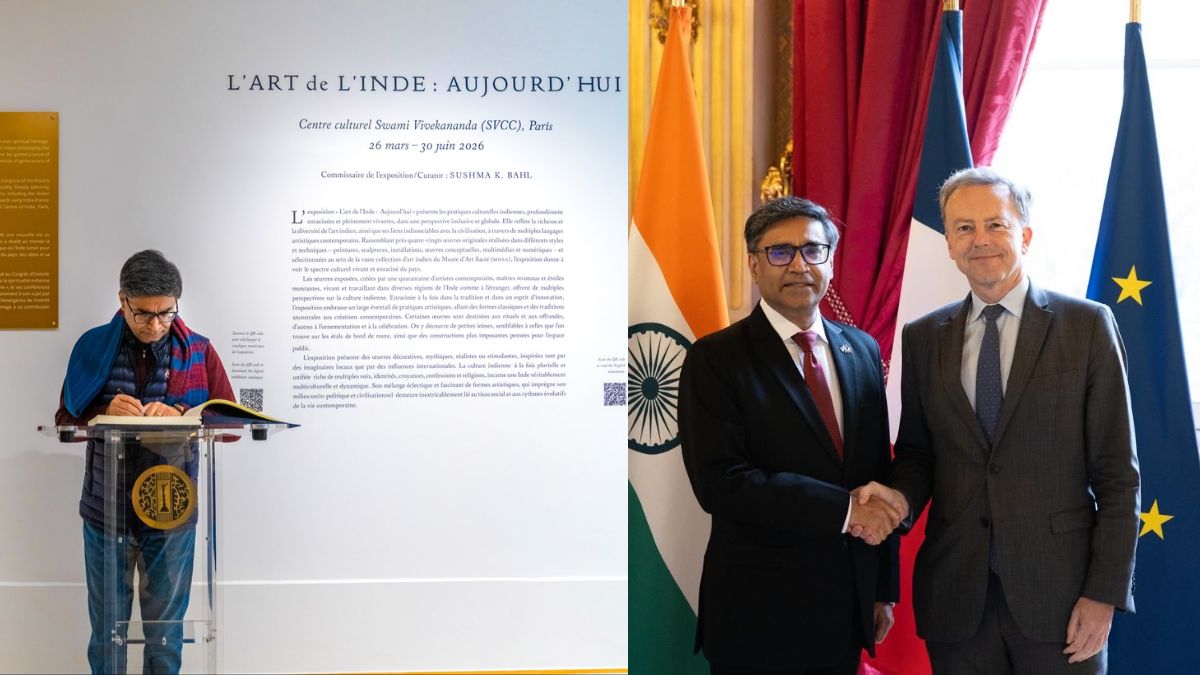
India–Bangladesh relations witnessed fresh turbulence after Bangladesh temporarily suspended visa and consular services in India and summoned Indian High Commissioner Pranay Verma, citing security concerns over its diplomatic missions. The move came India announced a similar move.
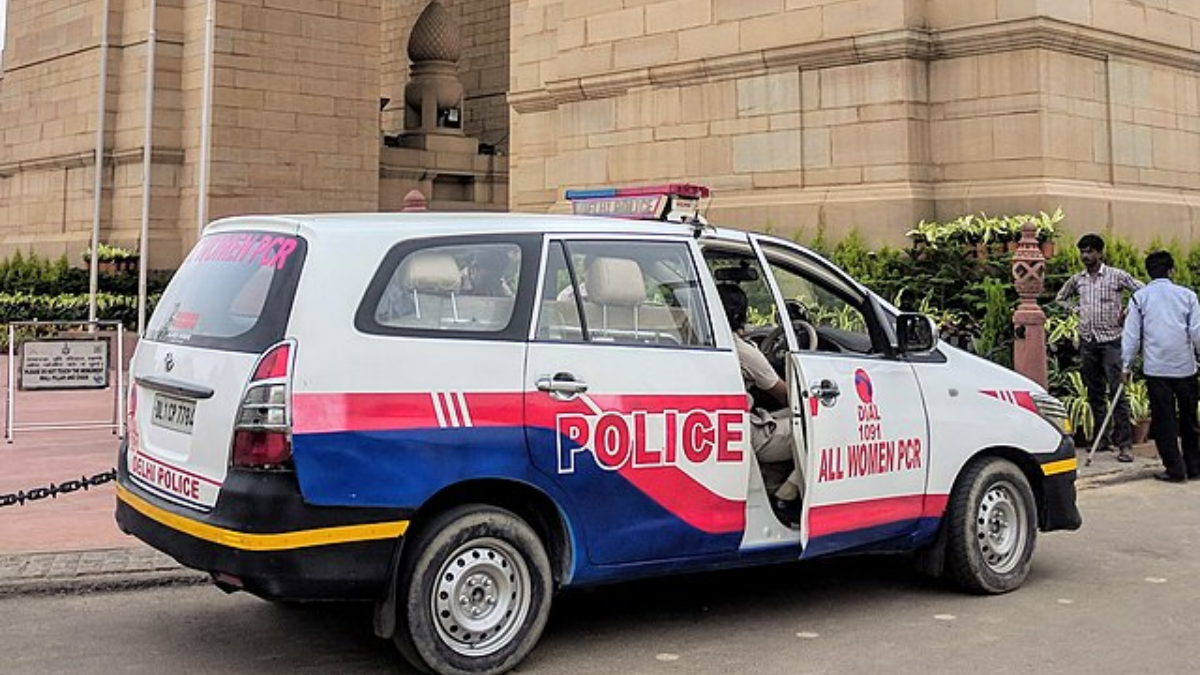
Dhaka halted visa services at its High Commission in New Delhi and missions in Tripura and Siliguri, describing the move as unavoidable amid protests outside Bangladeshi diplomatic premises. Shortly after, Bangladesh’s Foreign Ministry formally conveyed “grave concern” over what it described as attacks and intimidation targeting its missions in India.
In a fresh escalation, Bangladesh Foreign Ministry On Tuesday (December 23, 2025) summoned Pranay Verma, Indian High Commissioner to the country. The country’s foreign ministry also condemned the violence, citing threats to diplomatic personnel and establishments, and urged India to ensure their safety and security.
Calling such incidents a violation of diplomatic norms, Dhaka urged New Delhi to conduct a thorough investigation and ensure the safety of Bangladeshi diplomatic personnel and facilities.
India-Bangladesh Visa vendetta: Delhi raises minority, mission security concerns
New Delhi rejected Bangladeshi media reports portraying the protests as serious security breaches, calling them “misleading narratives”. The Ministry of External Affairs (MEA) maintained that demonstrations outside the Bangladesh High Commission in Delhi were brief and controlled.
India, however, simultaneously summoned Bangladesh’s envoy and raised strong concerns over threats to diplomatic missions, rising extremist activity, the safety of religious minorities in Bangladesh. New Delhi also urged Dhaka to ensure justice in recent cases of communal violence.
Bangladesh unrest trigger: Killing of Sharif Osman Hadi
The diplomatic standoff follows the killing of Sharif Osman Hadi, a prominent youth leader associated with last year’s July uprising in Bangladesh. His death sparked anti-India protests in Dhaka, with demonstrators accusing New Delhi of interference and backing rival political forces.
The unrest marked another flashpoint in Bangladesh’s volatile post-uprising political environment, putting pressure on the interim government led by Chief Adviser Muhammad Yunus.
Hindu man’s lynching in Bangladesh adds fuel
Tensions deepened further after the lynching of Dipu Chandra Das, a young Hindu factory worker, in Mymensingh. According to minority rights groups, Das was falsely accused of religious defamation before being beaten to death.
Hindu organisations and civil society groups protested outside Dhaka’s National Press Club, warning of a growing pattern of religious extremism, mob violence and official inaction. India cited the incident while reiterating concerns over minority safety in Bangladesh.
Fresh violence against uprising leaders raises alarm
Days after Hadi’s killing, another uprising-linked leader, Motaleb Shikder, was shot in the head in Khulna. Shikder, a senior figure in the National Citizen Party (NCP) and a key organiser of its labour wing, remains a central figure in post-uprising politics. Police said investigations were underway but admitted the motive and perpetrators were unclear.
Amid mounting unrest, interim leader of Banglades, Yunus, reaffirmed that they would hold general elections on February 12, 2026, pledging a “free, fair and peaceful” vote to restore democratic legitimacy. He alleged that supporters of the ousted Awami League regime were spending heavily to derail the polls, claiming a fugitive leader was inciting violence from abroad.
US engages with Bangladesh leadership
Yunus also held a 30-minute phone call with US Special Envoy for South and Central Asia Sergio Gor, discussing recent developments and Washington’s interests in stability and economic cooperation. The US State Department said the call focused on advancing prosperity through trade while reviewing the rapidly evolving political situation in Bangladesh.
Bangladesh’s Foreign Affairs Adviser M Touhid Hossain warned that Dhaka could review the scale of its diplomatic presence in New Delhi if tensions persist. He strongly rejected India’s official statements, accusing New Delhi of oversimplifying the crisis.
Sheikh Hasina weighs in from exile
From exile in India, former prime minister Sheikh Hasina blamed Yunus for Bangladesh’s instability, accusing the interim government of empowering extremist groups, failing to protect minorities, undermining ties with India. Hasina warned that regional stability and Bangladesh’s credibility were at risk, asserting that relations with India would normalise only after the restoration of legitimate governance.
No serious leader would threaten a neighbour upon whom Bangladesh depends for trade, transit, and regional stability, Hasina, said, adding that “a responsible government would protect diplomatic missions and prosecute those who threaten them”.