
Iran Denies Ceasefire Talks, Drone Strikes on Saudi Arabia, as Israel Hits 200 Targets
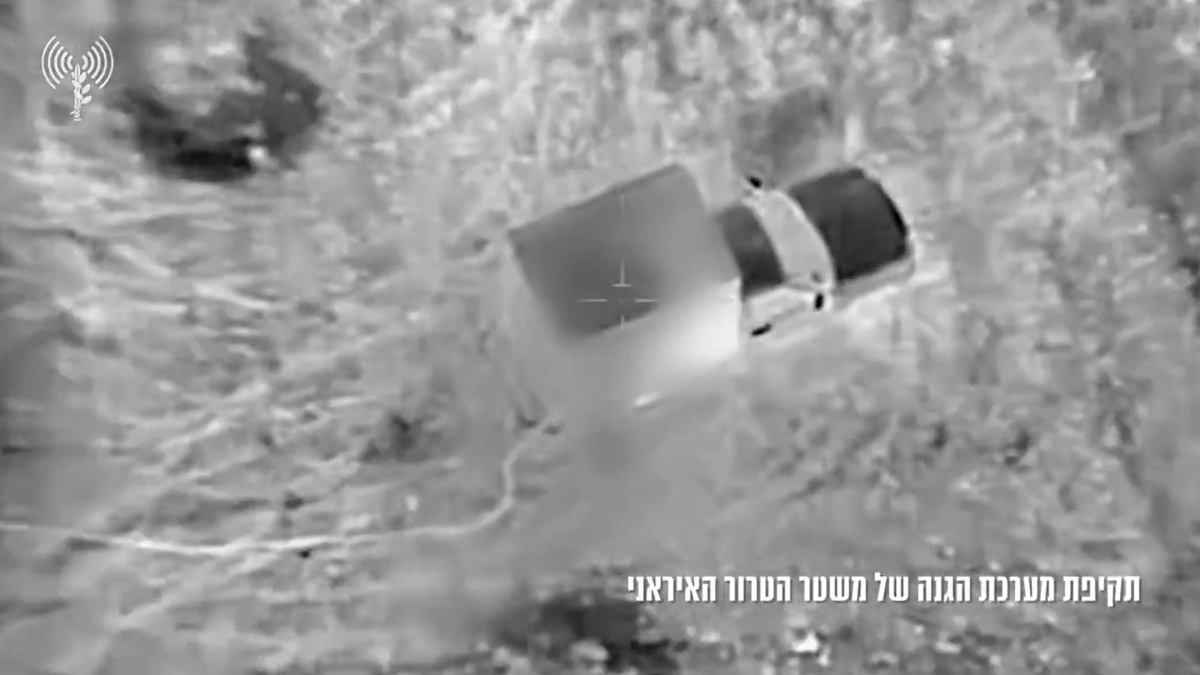
Israel strikes 200 targets inside Iran. Image courtesy: X/ @IAFsite

Iran on Sunday (March 15, 2026) denied seeking ceasefire talks as claimed by the US, saying it was ready to defend itself forever.
On the other side, Israel claimed it struck at 200 targets inside Iran, while the Iranian military denied any role in the drone attack on Saudi Arabia last week.
Iran Rejects Trump Claims on Seeking Ceasefire Talks
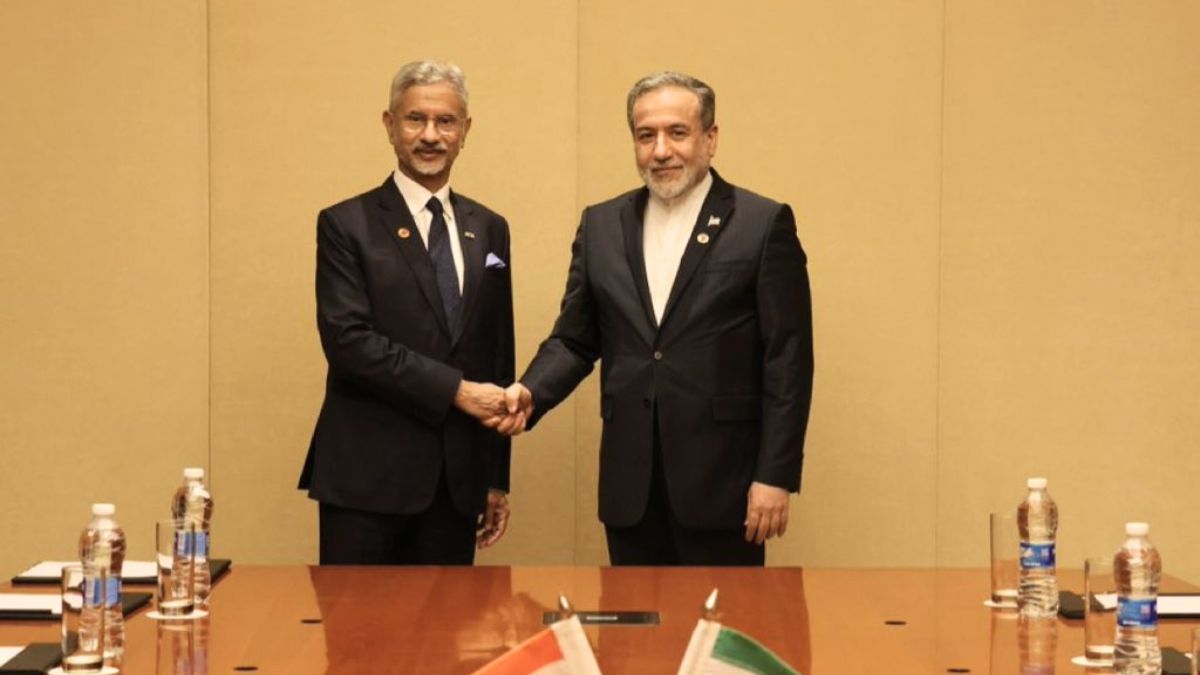
Iranian Foreign Minister Abbas Araghchi dismissed US President Donald Trump’s claims that Tehran had sought ceasefire talks, even as he vowed his nation would fight to defend itself as long it takes.
“No, we never asked for a cease-fire, and we have never asked even for negotiation. We are ready to defend ourselves as long as it takes,” Araghchi told a foreign television channel in an interview on Sunday (March 15)
He said Tehran would continue its military action until the US ended the “illegal” war on Iran and changed course. “We continue to do that until President Trump comes to the point that this is an illegal war with no victory,” he said.
Trump had claimed a day earlier that the US was not ready for any deal with Iran as “the terms aren’t good enough yet.”
In response, Araghchi said Iran saw no reason to return to negotiations with the US after Tehran was attacked, in which its Supreme Leader Ayatollah Ali Khamenei was killed on February 28.
“We don’t see any reason why we should talk with Americans, because we were talking with them when they decided to attack us,” he said.
Araghchi also defended Iran’s military action on neighbouring nations in West Asia, insisting that they were targeting only US and Israeli military assets in the region and not the neighbouring nations per se.
“We are only targeting American assets, American installations, American military bases,” Araghchi said, adding the Gulf nations hosting US military effectively allowed their territory to be used to launch attacks on Iran. “These are the countries that have given their soil to American forces to attack us,” he said.
Trump had claimed on Saturday (March 14) that Iran wanted a deal to end the ongoing West Asian war, but he was not yet prepared to agree to a ceasefire without an adequate offer.
“Iran wants to make a deal, and I don’t want to make it because the terms aren’t good enough yet,” he said, adding that any terms would have to be “very solid.”
Israeli Air Force Hit 200 Locations in Iran
Meanwhile, Israel said its air force hit over 200 sites across western and central Iran on Saturday (March 14), striking military infrastructure.
“In the past day: The Air Force struck more than 200 targets in western and central Iran and continues to strike the ballistic missile array and defence systems of the Iranian terror regime in western and central Iran,” the Israeli Air Force said in a post on X.
“Among the targets attacked — headquarters in which soldiers of the Iranian terror regime operated, defence systems, and sites for the production and storage of means of combat,” the post, made on Sunday (March 15), read.
The airstrikes were part of the ongoing military campaign to destroy Iran’s ballistic missile network and air defence systems. The Israeli Air Force also shared footage of its fighter jets flying into Iran for the mission on Saturday (March 14).
In another air operation, Israel also hit southern Lebanon, killing five people and wounding six others, according to the Lebanese state-run news agency. The Israeli strike targeted Qatani town in the Jezzine district.
Earlier, Iran’s Islamic Revolutionary Guard Corps (IRGC) and its naval forces conducted coordinated missile and drone attacks on four US airbases on Sunday (March 15), hitting military infrastructure.
The IRGC, in a statement, said the missile and drone strikes hit military command centres, air traffic control towers, and air defence systems linked to the US forces in West Asia.
“The IRGC Navy at dawn today, in several assault battalions, simultaneously struck four American terrorist airbases with precise and crushing blows,” media reports said. The IRGC said satellite imagery showed extensive damage to the targeted military facilities.
IRGC Rejects Allegations of Firing Drones at Saudi Arabia
IRGC, meanwhile, clarified on Sunday (March 15) that it has fired drones to target Saudi Arabia, after the Saudi Defence Minister said it intercepted and destroyed 10 drones that targeted Riyadh.
The IRGC distanced itself from the drone operations, noting that “this attack has no connection to the Islamic Republic of Iran, and the Saudi government should seek to discover the origin of the attacks.”
Only earlier, the Saudi Defence Ministry announced it had destroyed two other drones in the east of the country. Before these drone attacks and interceptions, the ministry said its forces had neutralised seven drones in its eastern region.
Further north, it had confirmed the “interception and destruction of a drone” after it was detected over the “Al-Jawf region.” Soon after, the IRGC issued its clarification.
These charges and rejections of drone attacks follow an escalation of hostilities last week, after Saudi Arabia claimed it intercepted 50 drones within a few hours on Friday (March 13).
Israel Denies Talks with Lebanon on Hezbollah
Israeli Foreign Minister Gideon Sa’ar on Sunday (March 15) denied his nation was set to hold direct talks with Lebanon in the coming days, amidst fighting with Hezbollah, and asked Beirut to first act against the terror group having a haven on its soil.
Sa’ar made the comments during his visit to the site of an Iranian missile attack in the northern Bedouin town of Zarzir. Hezbollah continued its rocket and drone attacks on Israel, setting off alert sirens across the country, including Tel Aviv, to get into shelters.
Israel, too, continued to hit Hezbollah locations inside Lebanon, as it expected a larger conflict in the nation’s southern borders. Reports had earlier claimed that Tel Aviv and Beirut were to talk on the Hezbollah menace for broader cooperation.
“If the Lebanese government and the Lebanese army want to change something, they should do something to stop the attacks being done by Hezbollah from Lebanese territory,” Sa’ar said when asked about the talks. “Until now, they hadn’t done anything significant to stop” Hezbollah’s attacks, Sa’ar said.
Earlier, Lebanon had asked Hezbollah to disarm and draw plans to get them to lay down their arms. Sa’ar claimed that ever since the November 2024 US-brokered ceasefire with the Iran-backed terror group, “Lebanon hadn’t really done what it should have done to dismantle Hezbollah, and we see now the results.
“And we also expect to take some serious steps from their side to stop the shootings in Israel. This is the practical thing to do right now,” he said.
“We are all for peace and normalisation in the future, including with Lebanon. I think the problem in Lebanon is Hezbollah. We don’t have real disputes with the state of Lebanon. We have some minor border disputes that can be solved quite easily. But the problem is Hezbollah,” he added.