
Iran Warns Of Regional War If US Attacks As Germany Protests Tehran Designating European Militaries As ‘Terrorists’
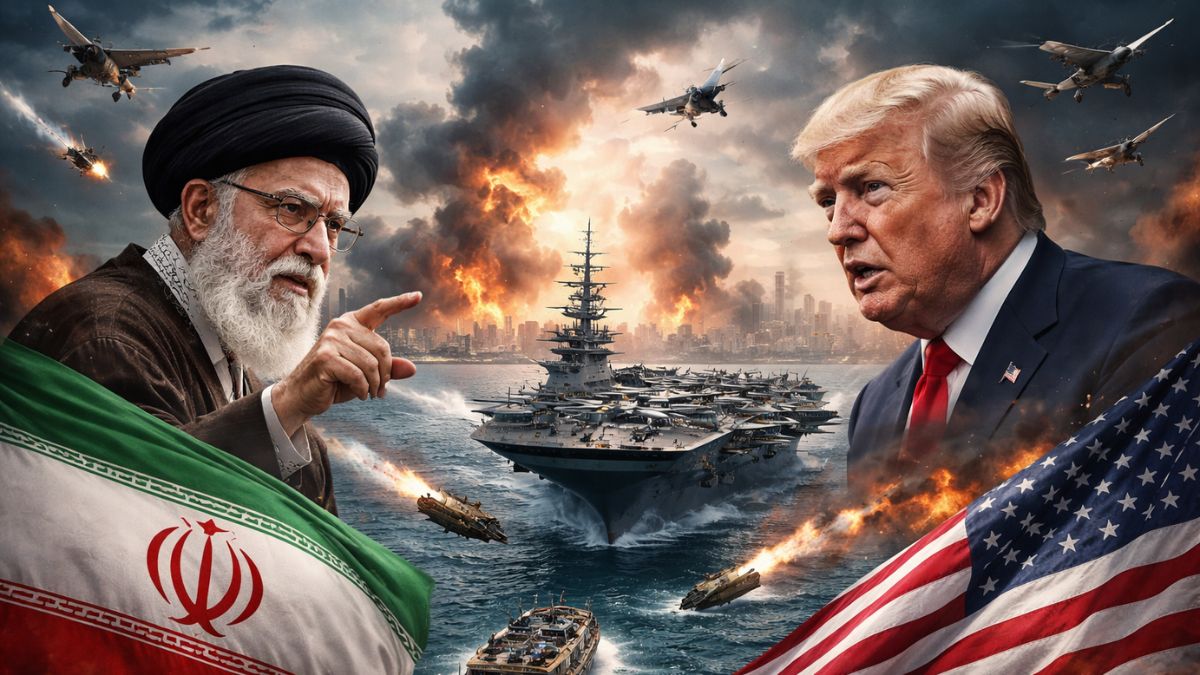
Tensions between Washington and Tehran are escalating sharply, with warnings of a wider regional conflict emerging as military deployments intensify and diplomatic rifts deepen across West Asia and Europe. Image courtesy: AI generated picture via DALL-E

As US President Donald Trump builds up military assets in West Asia, Iran’s Supreme Leader Ayatollah Ali Khamenei warned that any attack on his nation would result in a regional war.
“The Americans should know that if they start a war, this time it will be a regional war,” Khamenei said, as reported by Iran’s semi-official news agency, Tasnim.
“[Trump] regularly says that he brought ships… The Iranian nation shall not be scared by these things,” added Khamenei.
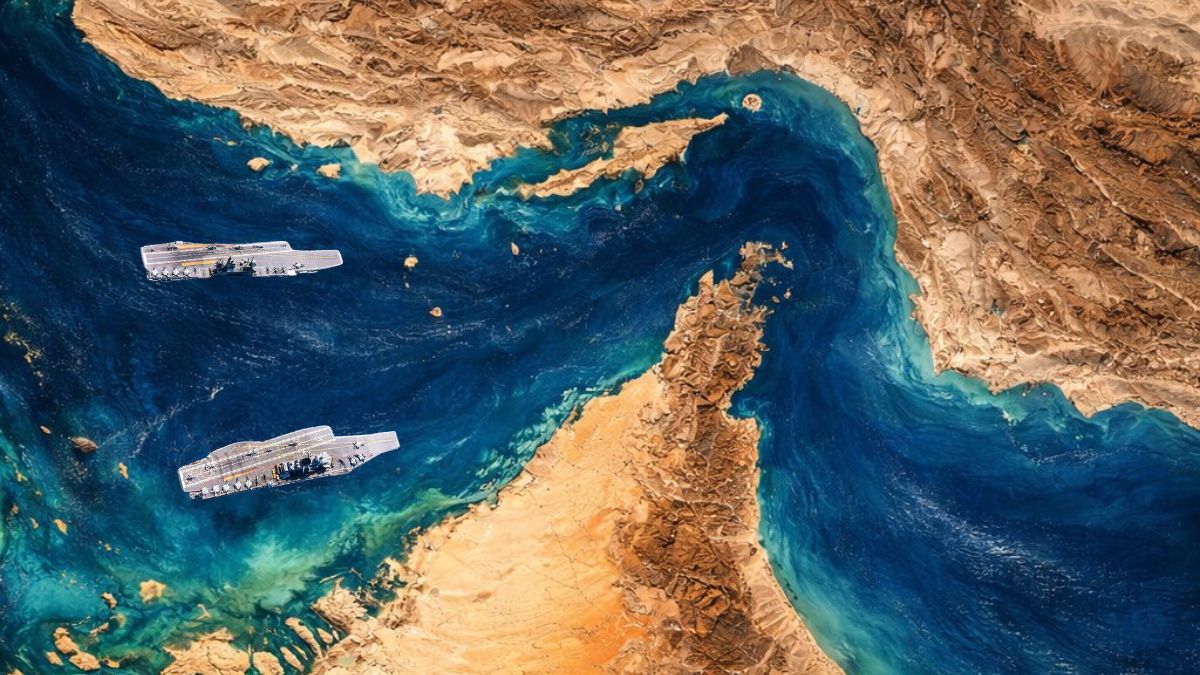
Trump two weeks ago sent a carrier strike force led by aircraft carrier USS Abraham Lincoln to West Asian waters, even as he mentioned that Iran was in “serious discussions” that he hoped would lead to an “acceptable” solution to the crisis.
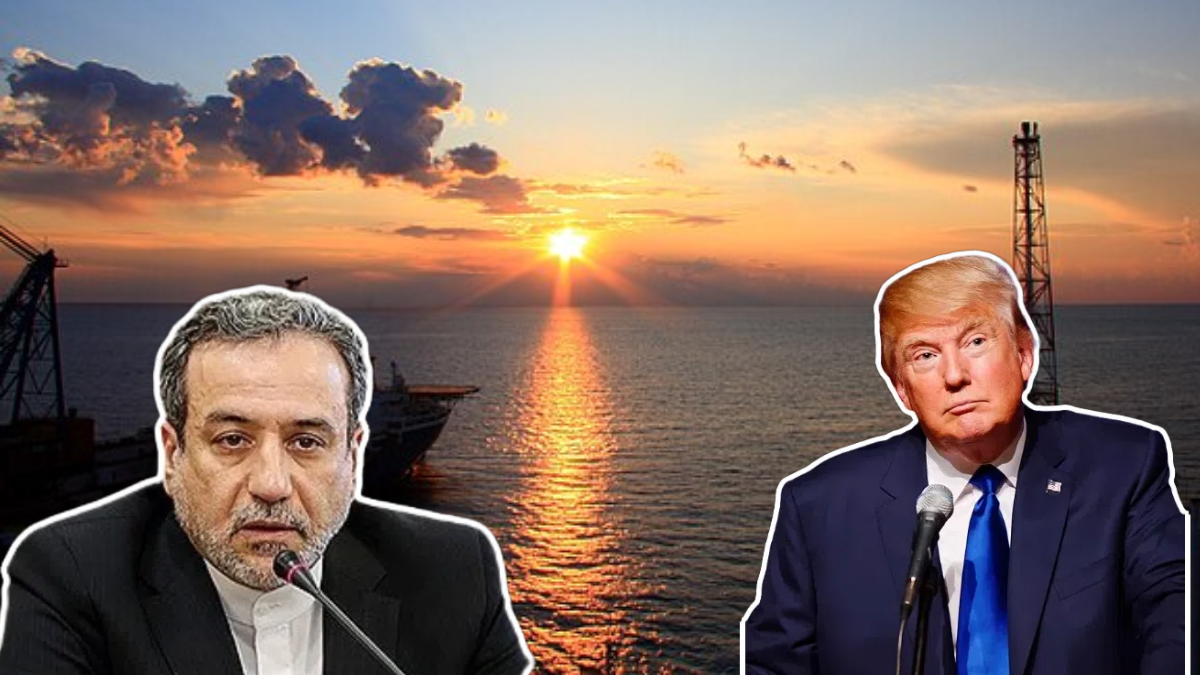
Iran’s Foreign Minister Abbas Araghchi, in response, told the international media that he was “confident that we can achieve a deal” on Tehran’s nuclear programme.
After a government crackdown on anti-regime protestors in Iran, Trump earlier threatened to intervene in support of the unhappy citizens in the West Asian nation and over its nuclear ambitions.
“Unfortunately, we have lost our trust [in] the US as a negotiating partner,” Araghchi said, adding that sharing messages through friendly nations was “fruitful” in facilitating talks with the US.
Meanwhile, Iran’s top security official Ali Larijani had said a framework for negotiations was progressing.
As part of its build up of forces, the US Central Command said last week that it was operating in the Arabian Sea already.
In a retort, Iran reportedly planned a two-day live-fire naval exercise on Sunday (February 1, 2026) in the Strait of Hormuz, a key shipping route in West Asia for energy supplies. However, media reports said, Iranian Revolutionary Guard Corps (IRGC) had no plans for such an exercise.
Iran, in the past, had warned it would shut down the Hormuz strait, disrupting energy supplies to the world. The US warned Tehran against any “unsafe and unprofessional behaviour” near its forces in West Asia.
“The US military is now attempting to dictate how our Powerful Armed Forces should conduct target practice in their own turf,” Araghchi said.
Meanwhile on Sunday (February 1, 2026), Germany warned Iran not to designate European militaries as “terrorist” outfits, calling the description as “baseless” and “propagandistic.”
The Iranian move came after the European Union branded Iran’s Revolutionary Guard Corps (IRGC) as a “terrorist” organisation.
A European news agency reported that Germany’s Foreign Minister Johann Wadephul said Iran’s retaliatory measures won’t change his nation’s position on the IRGC.
Meanwhile, Iran’s parliament speaker said European armed forces were “terrorist” organisations under Iranian law.
He warned the EU would bear responsibility for the consequences of its actions against the IRGC.
Wadephul defended the EU’s designation of the IRGC as correct and long overdue.
He charged IRGC of violently suppressing peaceful protests, executing political opponents of the Iranian regime, and exporting terrorism beyond Iran’s borders.
“Those who violently suppress peaceful protests, execute members of the opposition, and spread terror to Europe cannot deflect criticism with political diversionary tactics,” he said in remarks before a visit to Southeast Asia and the Pacific region.