Mojtaba Khamenei’s Response To Trump’s ‘Don’t Know If He’s Alive’ Claim: A Thanks To Iraqi People For Supporting Iran
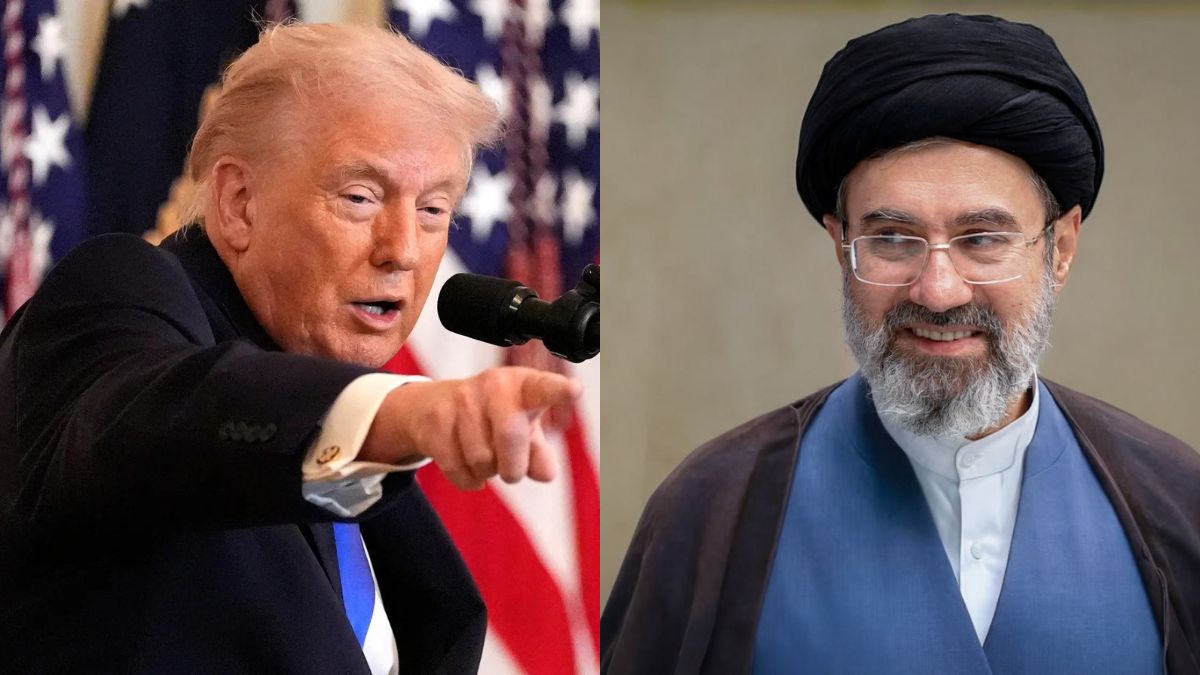
Iran's new supreme leader Mojtaba Khamenei has not made a single public appearance yet. Image courtesy: RNA

In a development closely watched across global capitals, Iran’s newly appointed Supreme Leader Mojtaba Khamenei has issued a message thanking Iraq for its support in the ongoing war against the United States and Israel. The statement, delivered through official channels, comes at a time when questions over his health, visibility and control have dominated international discourse.
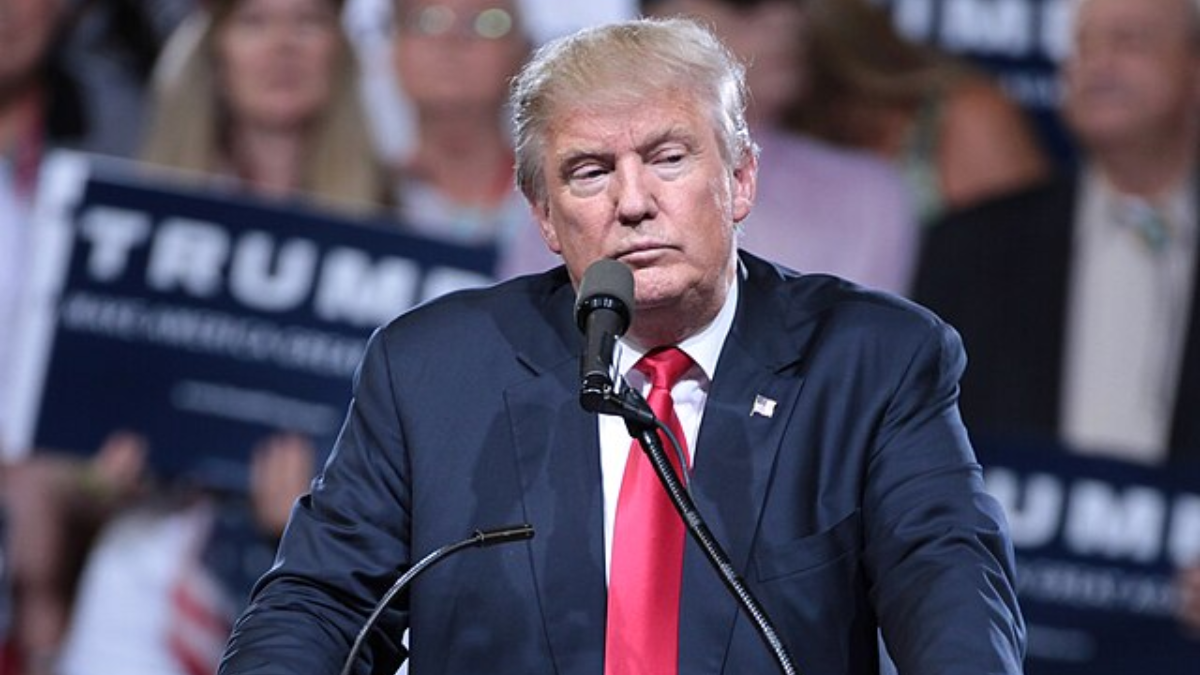
This marks the new Iranian Supreme Leader’s first remarks following US President Donald Trump’s claims he doesn’t know if Mojataba is alive. He last week said Washington was dealing with a “top person” in talks with Iran but made clear it was not the supreme leader.
Khamenei, who succeeded his father Ali Khamenei after the latter was killed in an airstrike at the onset of the conflict last month on February 28, has yet to appear publicly. His absence has fuelled speculation, but Tehran’s latest communication appears aimed at projecting continuity and authority at the top.
Mojataba Khamenei’s new message: Why does it matter?
In his message, Khamenei expressed gratitude to Iraq’s top Shia cleric, Grand Ayatollah Ali Sistani, and the Iraqi people for their “clear stance against aggression” and support for Iran. The outreach, conveyed after a meeting between Iraqi Shia leaders and Iran’s ambassador in Baghdad, underscores Tehran’s reliance on regional religious and political networks during wartime.
The significance lies not just in the content, but in the timing. By engaging Iraq, a Shia-majority neighbour with deep religious ties, Iran seems to be reinforcing its influence across the region and signalling that its strategic alliances remain intact despite internal uncertainties.
How does this push back against Trump’s claims?
The message also serves as a subtle but pointed rebuttal to recent remarks by US President Donald Trump, who suggested Washington was not in contact with Iran’s supreme leadership and even questioned whether Mojtaba Khamenei was “living.” By issuing an official communication, Iran has effectively countered that narrative.
While Khamenei has not appeared in person, the continued release of statements, along with their amplification through state media, signals that Tehran wants to project a functioning leadership structure, even if behind the scenes.
Iranian state media and officials have indicated that Mojtaba Khamenei is recovering from injuries sustained in an earlier airstrike. However, the lack of verifiable public appearances has led to widespread speculation internationally. Instead, his communications have been limited to written statements, including a Nowruz message and earlier remarks predicting victory in the conflict.
What does this mean for the West Asia conflict?
The development comes amid an intensifying conflict that has already reshaped geopolitical alignments in West Asia. Iran’s attempt to project leadership continuity is critical not just domestically but also for its regional allies and adversaries. By reinforcing ties with Iraq and invoking religious solidarity, Tehran is consolidating support within the Shia axis.
With Mojtaba Khamenei remaining out of public view, Iran appears to be carefully managing optics while maintaining operational continuity. The use of official statements, controlled media dissemination and regional outreach suggests a calibrated effort to avoid projecting vulnerability.