

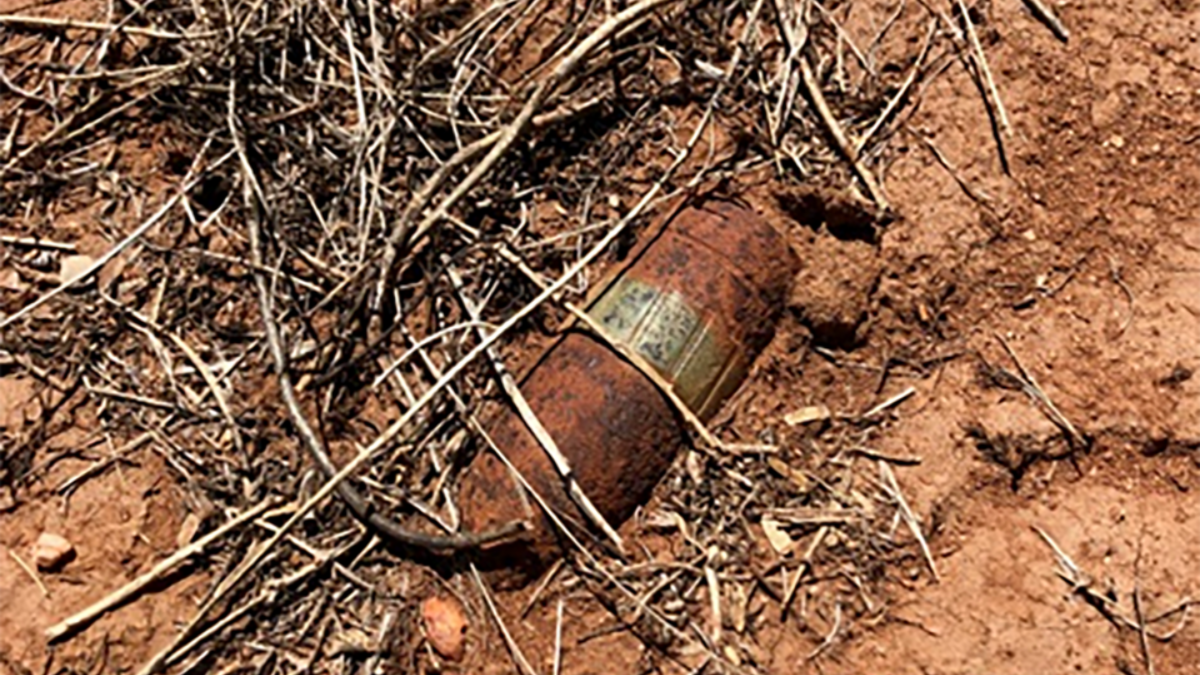


Cold War Secret Resurfaces: CIA’s Lost Nuclear Device on Nanda Devi Still Haunts the Himalayas 60 Years On
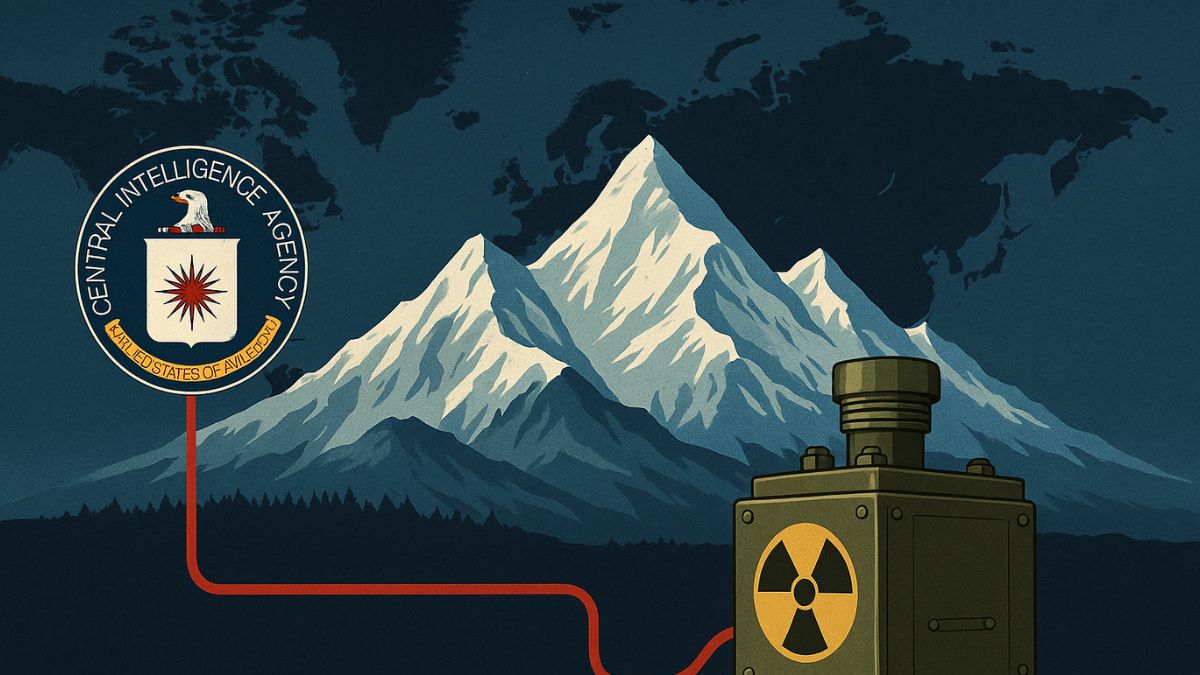
A long buried Cold War operation linked to the Himalayas is resurfacing raising fresh questions about secrecy responsibility and the risks left behind by intelligence missions that never truly ended. Image courtesy: AI generated Picture via DALL-E

A new New York Times investigation has revived one of the most secretive Cold War operations involving the United States, India, and China: the disappearance of a nuclear-powered surveillance device on Nanda Devi, one of India’s highest Himalayan peaks, during a covert CIA mission in 1965.
Six decades later, the plutonium-powered device has never been recovered, renewing concerns over environmental safety, public health risks, and unanswered geopolitical responsibility.
What was the secret Nanda Devi operation?
The operation was born out of strategic panic after China detonated its first atomic bomb in Xinjiang in 1964. Alarmed by Beijing’s rapid nuclear advances and lacking reliable intelligence from inside China, Washington sought innovative ways to monitor Chinese missile and nuclear activity.
The CIA, working quietly with Indian intelligence, devised an extraordinary plan: install a surveillance station high in the Himalayas to intercept missile telemetry signals.
Nanda Devi, rising to 25,645 feet and located close to the India-China border, was chosen as the ideal vantage point. Under the cover of a scientific mountaineering expedition, a joint team of American climbers and Indian intelligence-backed mountaineers set out to carry sophisticated surveillance equipment to the summit.
Central to the mission was a SNAP-19C portable nuclear generator powered by plutonium—containing nearly a third of the plutonium used in the Nagasaki bomb—designed to operate unattended for years in extreme conditions.
Why was the Nanda Devi mission dangerous?
Even before the climb began, doubts were raised. Indian military veteran and mountaineer Captain M. S. Kohli warned that installing such equipment at that altitude would be nearly impossible.
“I told them it would be, if not impossible, extremely difficult,” Kohli later recalled in interviews cited by the Times. Despite the risks and the approaching Himalayan winter, the mission went ahead in September 1965.
Disaster struck on October 16, 1965, when the team attempting to reach the summit via the southwestern ridge was caught in a ferocious blizzard. Visibility dropped to near zero, temperatures plunged, and supplies ran out.
“We were 99 percent dead,” recalled Sonam Wangyal, one of the Indian intelligence officers on the expedition. From base camp, Kohli ordered an immediate retreat to save lives.
How was the nuclear device lost on Nanda Devi?
The climbers secured the nuclear generator to an ice ledge and descended, intending to retrieve it later. They never did.
When a recovery mission returned in 1966, the ice shelf where the device had been tied had vanished, most likely swept away by an avalanche. Subsequent searches using radiation detectors, infrared sensors, and metal scanners failed to locate it.
Some climbers later speculated that the heat emitted by the plutonium-powered device may have melted the surrounding ice, causing it to sink deeper into the glacier. “That damn thing was very warm,” American climber Jim McCarthy said years later.
Why is the missing nuclear device fuelling fears?
The missing device has since fuelled persistent fears in India. Scientists say any radioactive contamination of the Ganges, fed by glaciers near Nanda Devi, would likely be heavily diluted, but concerns remain for local streams and communities.
Plutonium is highly toxic if inhaled or ingested and is known to cause cancer. McCarthy, who later developed testicular cancer, blamed radiation exposure during the mission.
There are also security fears that the plutonium could be recovered and used in a “dirty bomb,” designed to spread radioactive material rather than cause a nuclear explosion.
How is the call to retrieve the nuclear device growing?
After a deadly landslide near Nanda Devi in 2021 killed more than 200 people, speculation resurfaced about whether heat from the lost generator could have contributed. While scientists point to climate change as the likely cause, doubts persist.
Uttarakhand tourism minister Satpal Maharaj has called for the device to be excavated “once and for all,” while BJP Member of Parliament Nishikant Dubey has said responsibility lies with Washington.
Both the US and Indian governments have declined to comment, citing intelligence secrecy. Quiet diplomatic efforts in the late 1970s failed to resolve the issue, and the CIA has never publicly acknowledged the mission.
Hidden beneath Himalayan ice, the lost nuclear device remains an unsettling relic of Cold War espionage, one whose consequences may still be unfolding on the roof of the world.