Pakistan Fails in Peace Talks: Vance Says Bad for Iran, Tehran Says US Demands Unlawful
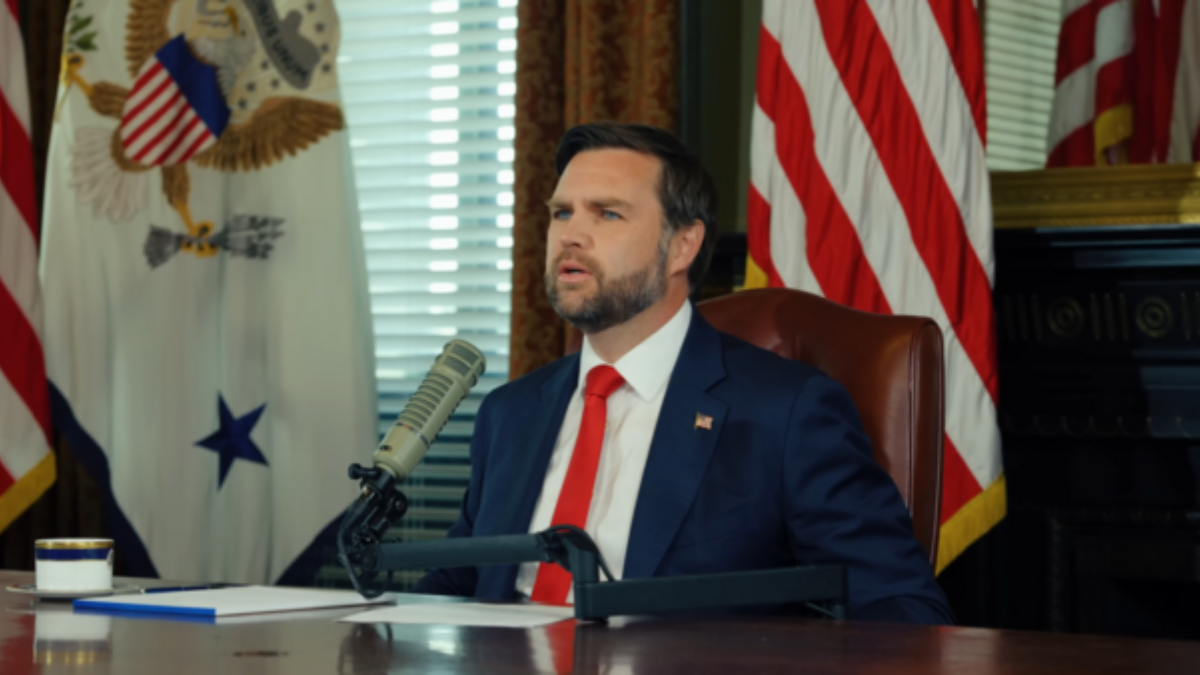
US–Iran Peace Talks. Image courtesy: X/ @JDVance

Pakistan on Sunday (April 12, 2026) failed miserably in mediating a truce between the US and Iran to end the West Asian war, both sides sticking to their demands uncompromisingly and accusing each other of being unreasonable.
The talks broke down after almost a 21-hour negotiation, mediated by Pakistan, as the two warring nations failed to reach a consensus on any single issue.
The American and Iranian delegations, led by US Vice President JD Vance and Iranian Parliament Speaker Mohammad Bagher Ghalibaf, respectively, met in Islamabad on Saturday (April 11), following an announcement of a two-week ceasefire on Tuesday (April 7)
The US had listed 15 demands as the talks agenda, while Iran came up with its own list of 10 talking points ahead of the Islamabad talks.
After the talks ended, Vance left Islamabad. But ahead of that, he addressed the media, when he said:
“The bad news is that we have not reached an agreement. I think that is bad news for Iran, much more than it’s bad news for the USA.”
He added, “So, we go back to the US having not agreed. They (Iranians) have chosen not to accept our terms.”
Vance said the discussions covered “several substantive issues” between US and Iranian representatives, reflecting the high stakes and complexity of the engagement.
Despite the deadlock, Vance praised Islamabad’s role in facilitating the dialogue, saying, “Whatever shortcomings in the negotiation, it wasn’t because of the Pakistanis who did an amazing job and really tried to help Iranians and us bridge the gap and get to a deal.”
He reiterated that while there were meaningful exchanges during the talks, the absence of a breakthrough ultimately underscored deep differences between the two sides.
“We have been at it now for 21 hours, and we have had several substantive discussions with the Iranians. That’s the good news,” Vance said, before adding, “The bad news is that we have not reached an agreement.”
Vance reiterated that Washington had pushed for a clear assurance from Tehran that it would not pursue nuclear weapons or develop the capability to do so.
He acknowledged, however, that negotiations fell short of that objective, stating, “We just could not get to a situation where the Iranians were willing to accept our terms.”
Vance maintained that the US had approached the talks with flexibility, but despite those efforts, no meaningful progress was achieved. “While we were very flexible and accommodating, the talks could not make headway,” he said.
Outlining the next step, he said the US had placed a final proposal on the table. “We leave here with a very simple proposal, a method of understanding that is our final and best offer. We’ll see if the Iranians accept it.”
During the press briefing, Vance also revealed that he remained in constant touch with US leadership throughout the negotiations, including regular communication with Donald Trump and senior officials such as Marco Rubio, Pete Hegseth, Scott Bessent, and Brad Cooper, Commander of US Central Command.
“We were constantly in communication with the team because we were negotiating in good faith,” he said.
Earlier, Iran said on X that the talks in Islamabad have been extended by another day after prolonged discussions, “despite some remaining differences.”
“At Pakistan’s proposal and with the agreement of the negotiating teams of Iran and the US, talks mediated by Pakistan will continue for another round after a pause on Sunday,” the statement noted.
Meanwhile, Iran’s Foreign Ministry said the US must refrain from “excessive and unlawful demands,” blaming the American side for the failure of the talks.
Iranian Foreign Ministry spokesperson Esmaeil Baqaei, however, said Iran is determined to utilise all tools, including diplomacy, to secure national interests and protect the country’s well-being.