Sincere Gratitude To People, Government Officials: Iran Thanks India For Condolences After Khamenei’s Death
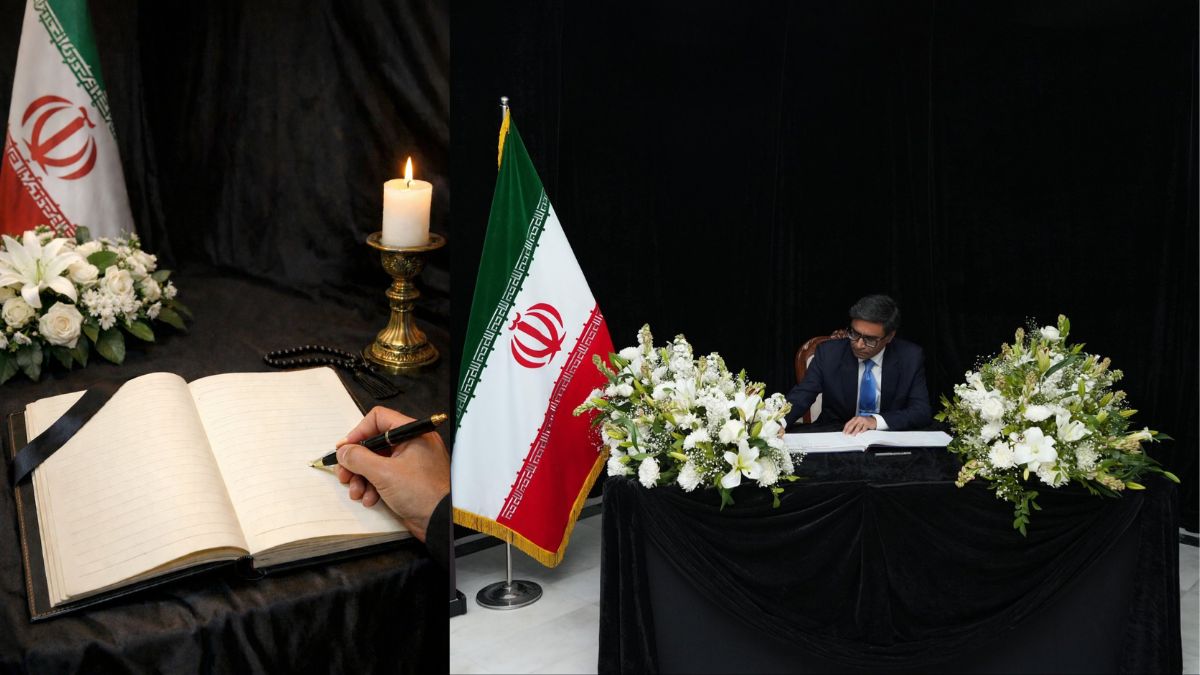
The Embassy of the Islamic Republic of Iran expressed its sincere appreciation and gratitude to India. Image courtesy: RNA

Nearly a week after signed the condolence book at the Embassy of Iran in Delhi on behalf of the Government of India, the Iranian Embassy in New Delhi has expressed its gratitude to the Indian government, political leaders and citizens for their gestures of solidarity during a period of national mourning in Iran.
As the war in West Asia intensifies following the killing of Iran’s Supreme Leader Ayatollah Ali Khamenei, the embassy said the response from India, including senior officials signing a condolence book opened at the mission, reflected deep respect and sympathy toward the Iranian people amid one of the most dramatic escalations in the region’s recent history.
Last week, the embassy had opened a condolence book for those wishing to pay their respects “on the occasion of the martyrdom of His Eminence Grand Ayatollah Imam Khamenei, the Supreme Leader of the Islamic Republic of Iran”. Khamenei was killed in the ongoing conflict, triggered by joint US-Israel airstrikes on February 28, 2026.
Iran thanks India for ‘solidarity and sympathy’
In an official statement, the Embassy of the Islamic Republic of Iran in India said it was grateful for the support expressed by Indian leaders, diplomats and members of the public.
“The Embassy expresses its sincere appreciation and gratitude to the great people of India, government officials, political parties, religious leaders, scholars, academics and members of the media who visited the Embassy to sign the condolence book,” the statement said.
It added that the presence and messages of solidarity from India were deeply valued by the Iranian people, describing them as a meaningful gesture during a period of grief.
Notably, the development comes after External Affairs Minister S Jaishankar held a detailed discussion with his Iranian counterpart Abbas Araghchi, during which the latter detailed the crimes committed by the United States and the Israeli regime against the Iranian nation over the past 11 days, including the missile attack on a girls’ elementary school in Minab.
India’s top diplomat signs condolence book
On March 5, India’s Foreign Secretary Vikram Misri visited the Iranian Embassy in New Delhi and signed the condolence book on behalf of the Government of India. During the visit, Misri also conveyed India’s message of sympathy to Iranian Ambassador Mohammad Fathali, reflecting New Delhi’s diplomatic response to the killing of the Iranian leader.
The condolence book allowed diplomats, political leaders and members of the public to pay respects following the death of one of the most powerful figures in Iran’s political and religious system.
Khamenei’s death marked a historic moment in Iran’s leadership structure, prompting the country to appoint Mojtaba Khamenei as the new Supreme Leader.
Iran war continues to escalate
The conflict has rapidly intensified since the airstrikes that killed Khamenei, triggering retaliatory attacks, military escalation and widespread destruction across the region. Wednesday marked day 12 of the ongoing conflict, with both sides showing little sign of backing down.
The fighting has already caused significant civilian casualties, disrupted energy supplies and infrastructure, spread instability across parts of the Middle East. Global markets have also reacted sharply as the war threatens oil shipments through the Strait of Hormuz, a key maritime route for global energy trade.
India calls for dialogue and de-escalation
India has repeatedly urged diplomatic solutions and an immediate de-escalation of the conflict. Speaking in Parliament earlier this week, EAM Jaishankar warned that the security situation in West Asia had deteriorated significantly since the outbreak of the war.
“The conflict has continued to intensify and spread to other nations with mounting destruction and deaths,” Jaishankar said.
He added that normal life and economic activity in parts of the region have been severely disrupted, underlining the urgency of diplomatic engagement. India has reiterated its call for dialogue and diplomacy to bring the conflict to an early end.