
Small Exporters, Long Odds: How Distant Markets Punish Bangladesh’s SMEs
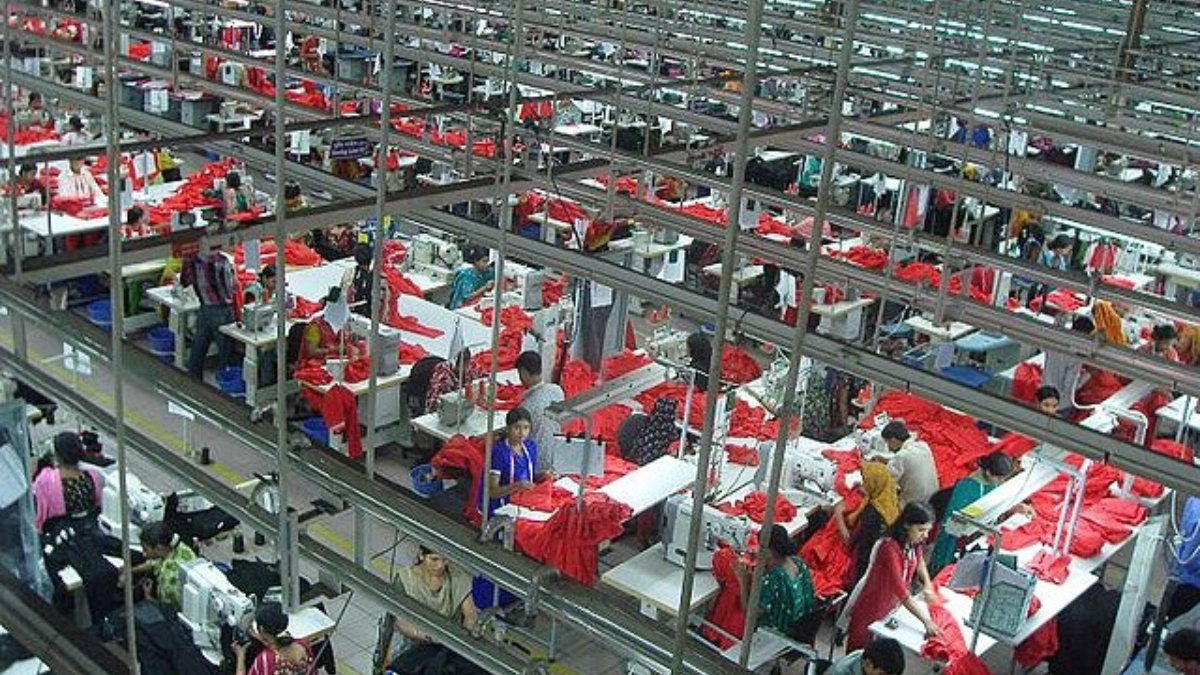
Bangladesh exports to EU. Image courtesy: Wikimedia

Exporting to the European Union often requires Bangladeshi manufacturers to document chemical use across their production process, maintain records proving worker welfare compliance, pass third-party facility audits required by buyers, and, under newer EU sustainability regulations, meet additional environmental reporting requirements. Each of these is a real cost that falls on the exporter before a single container leaves the country.
Third-party social compliance audits from internationally recognised certification bodies cost between $2,000 and $8,000 per facility per year. That figure depends on the certifying body and the standard being assessed. Product safety testing by accredited laboratories adds more. Customs brokerage, freight forwarding, and documentation preparation for EU import procedures layer further costs on top. A small manufacturer exporting a seasonal order to a mid-size European buyer can spend more on compliance than it earns on the shipment.
Large exporters spread these costs across higher volumes. A conglomerate with ten factories and millions of units moving to Europe each year absorbs audit and certification costs as a standard operational line item. A factory in Narsingdi producing a few thousand units for export cannot replicate that structure. The compliance cost per unit is simply too high.
The practical outcome is that direct participation in Western export markets is largely limited to Bangladesh’s biggest exporters. Small and medium enterprises, which make up the majority of Bangladesh’s business sector by count and account for a large share of manufacturing employment, either supply domestically, work as subcontractors to larger exporters, or target markets with lower entry costs.
India’s market entry requirements for Bangladeshi goods are generally lower and less standardised than those of the European Union. SAFTA provides tariff preferences. There are no third-party social audit requirements as a condition of selling into Indian retail or wholesale markets, although exporters may still face non-tariff barriers and product standards. Customs documentation exists but is less intensive than EU import procedures. The practical cost of market entry is a fraction of what exporting to Europe involves.
Geography adds to that cost advantage. A food processor in Rajshahi or a leather goods maker in Dhaka can load a truck, cross the border at Benapole or Hili, and reach Kolkata or Siliguri markets often within a day, depending on border conditions. Freight cost on a cross-border truck run is low. The supply chain is short. Cultural and commercial familiarity between exporters and buyers in the border region reduces transaction costs further.
Bangladeshi SMEs hold documented price and quality competitiveness in processed foods, jute and jute goods, leather products, light manufacturing, and agro-processed goods. Each category has active Indian consumer and wholesale demand. What is missing is not the product. It is support infrastructure: export facilitation desks at border crossings, subsidised testing and certification services, trade finance products built for small frequent transactions, and business matching programmes to connect Bangladeshi producers with Indian buyers.
Without that infrastructure, small exporters face a choice between high-barrier distant markets they cannot afford to enter properly and a regional market they are not systematically supported to access.