Trump’s Israel–Hamas Ceasefire Plan Enters Turbulence; Netanyahu Defends Leadership, Cites Modi Ties
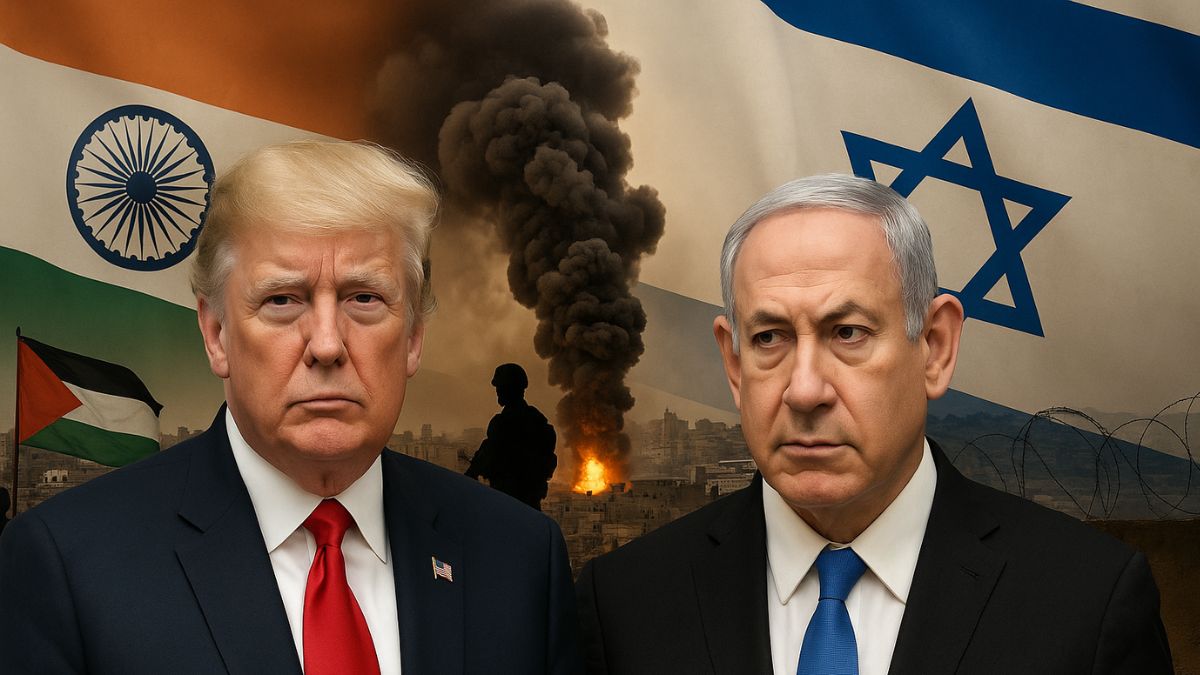
As Trump’s ceasefire blueprint enters a tense new stage, Netanyahu leans on global partnerships and political resolve while debates over Gaza’s future grow sharper across the region. Image courtesy: AI geeneratd image via DALL-E

US President Donald Trump’s ambitious 20-point ceasefire blueprint for the Israel-Hamas war is entering a volatile second phase, even as Israeli Prime Minister Benjamin Netanyahu vigorously defends his wartime leadership and touts his close relations with world leaders, including India’s Prime Minister Narendra Modi, amid intense domestic criticism.
With nearly all hostages accounted for except one, the first phase of the US-brokered ceasefire has inched forward after weeks of delays, mutual accusations, and diplomatic friction.
But the coming stage, involving an international stabilisation force, Gaza’s reconstruction, Hamas’ disarmament, and a restructured Palestinian governance system, threatens to become the most consequential and contentious chapter yet. Analysts say its success or failure could reshape West Asia geopolitics for decades.
How ceasefire moves into risky second phase
Trump’s plan, endorsed by the UN Security Council, seeks to dismantle Hamas’ rule in Gaza and oversee the reconstruction of a demilitarised territory under global supervision. The long-term vision includes normalised Israel–Arab ties and a plausible route to Palestinian statehood. But major obstacles persist.
A proposed international peacekeeping force, involving countries such as Egypt, Turkey, Indonesia, and Pakistan, remains unformed, with no deployment date. Washington expects “boots on the ground” only by early 2026.
Hamas, meanwhile, has vowed to resist attempts to forcibly disarm, while Israel is reluctant to entrust its security to an outside body.
Why the Board of Peace is yet to be constituted
The plan also calls for a “Board of Peace”, chaired by Trump, to oversee Gaza’s administrative technocrats and work with aid agencies and mediators. But its membership is still being negotiated, and the Palestinian committee that would manage daily affairs lacks clarity and local legitimacy.
Rebuilding Gaza, where the UN estimates damages at $70 billion, remains another major hurdle. Donor nations are set to convene in Egypt, yet no comprehensive funding or reconstruction blueprint has emerged.
A key sticking point is Hamas’ disarmament. The group says it may “freeze or store” weapons but will not surrender them until Israel ends its occupation. Israel insists on complete demilitarisation before withdrawing further troops.
How Netanyahu pushes back at critics, highlights Modi ties
As Trump’s plan faces global scrutiny, Netanyahu is battling intense political pressure at home.
In a fiery address to the Knesset, he rejected claims that Israel’s diplomatic standing has eroded during the two-year conflict with Hamas.
Instead, he argued that Israel is “stronger than ever,” citing what he described as unprecedented support from key allies.
Why Netanyahu highlights Modi ties
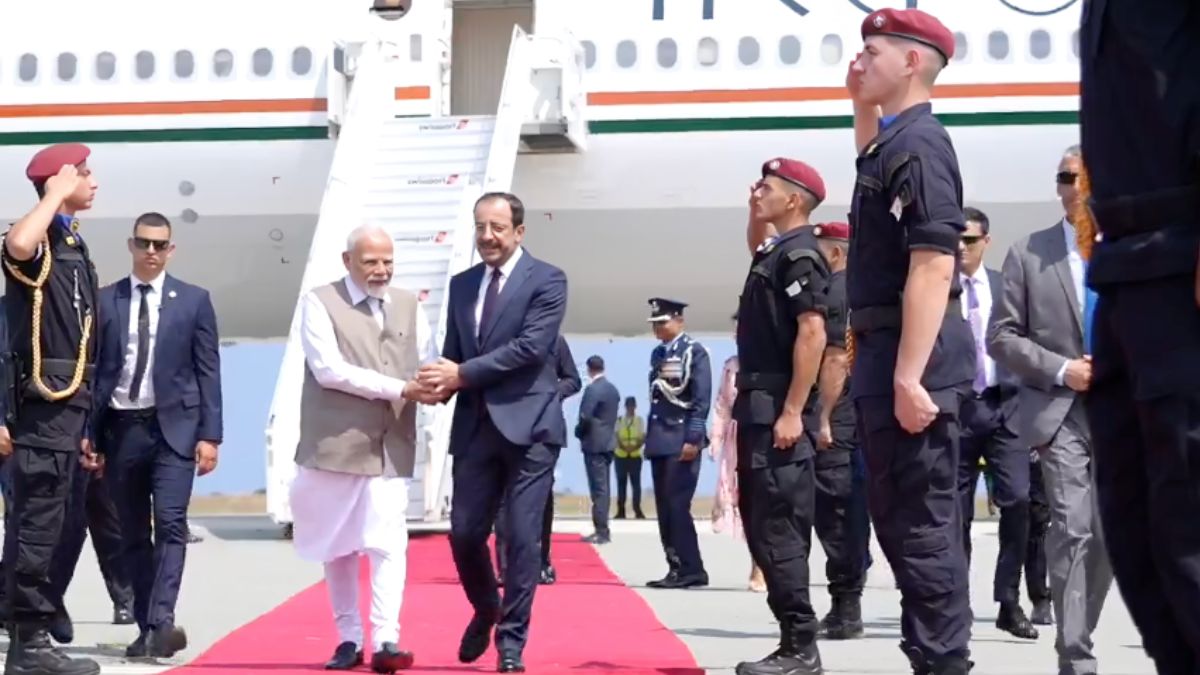
Netanyahu showcased his personal rapport with global leaders, singling out PM Narendra Modi as a “close friend” and emphasising India’s intent to deepen ties with Israel.
“India — a huge country of a billion and a half people — wants to strengthen relations with us,” he said, noting that he and Modi are preparing to meet soon.
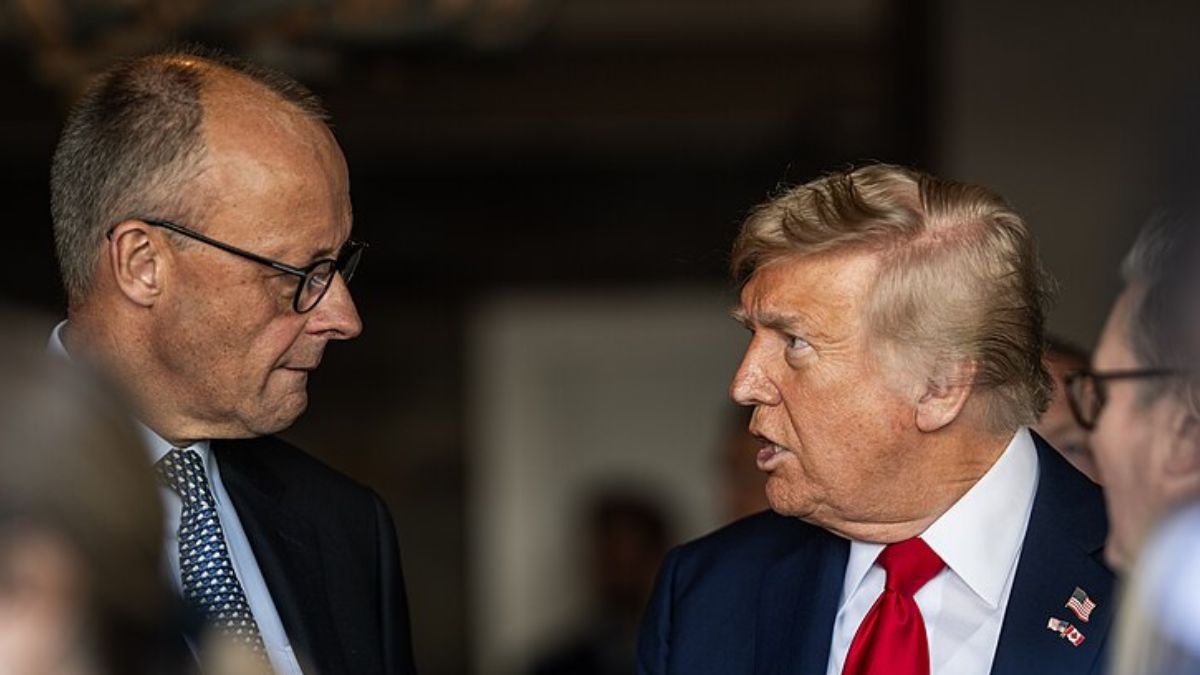
He also highlighted recent engagements with Germany, Russia, and the United States, dismissing media reports of tensions with Trump ahead of his upcoming White House visit. “The US and Israel have no better allies than each other,” he asserted.
What political turmoil stares Netanyahu in Israel
Despite Netanyahu’s confident tone, Israel remains deeply divided. Opposition parties accuse him of mishandling the war, failing to prevent Hamas’ deadly October 7, 2023, attack, and resisting an independent state commission of inquiry.
Netanyahu’s coalition instead set up its own internal probe, a decision widely criticised as an attempt to avoid accountability.
As Trump’s ceasefire strategy shifts into its most fragile phase, Netanyahu’s political fate and Israel’s role in shaping Gaza’s future remain uncertain.
The coming months promise high-stakes diplomatic manoeuvres, deepening regional tensions, and monumental decisions that could determine the trajectory of the Middle East peace process.