
US Offers Security Guarantees To Ukraine As MI6 Warns Putin Is Deliberately Prolonging Peace Talks
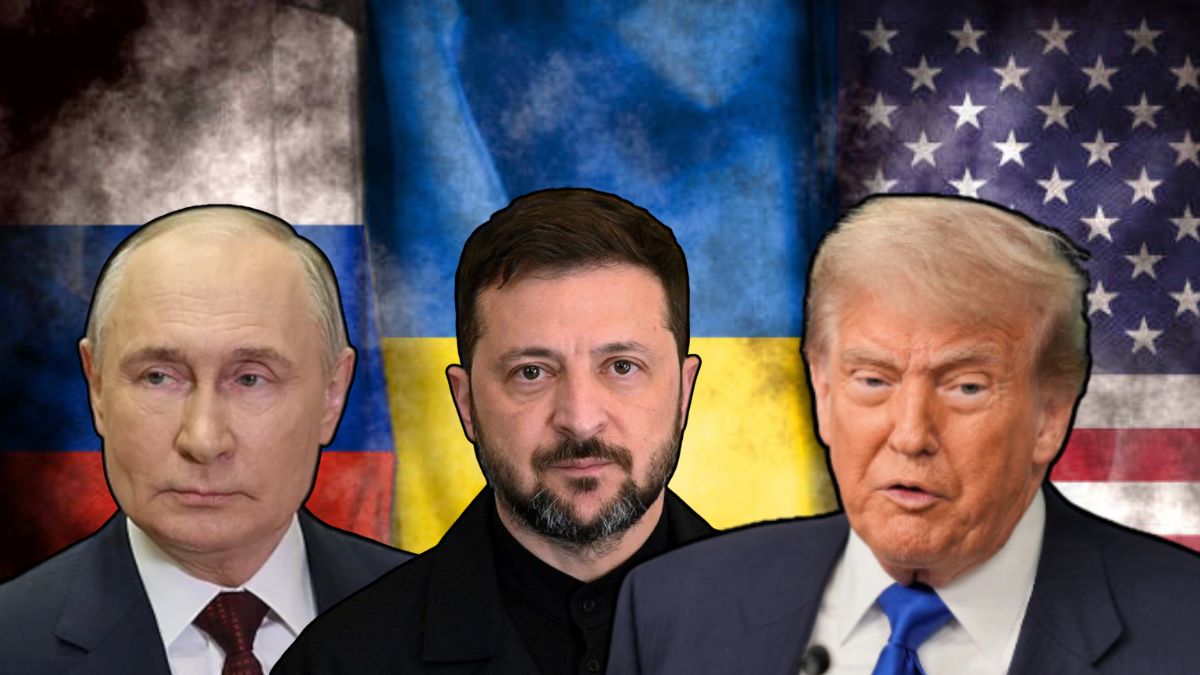
The United States offers security guarantees to Ukraine as peace efforts gather pace while intelligence chiefs warn that Vladimir Putin is deliberately prolonging negotiations to test Western resolve. Image courtesy: RNA

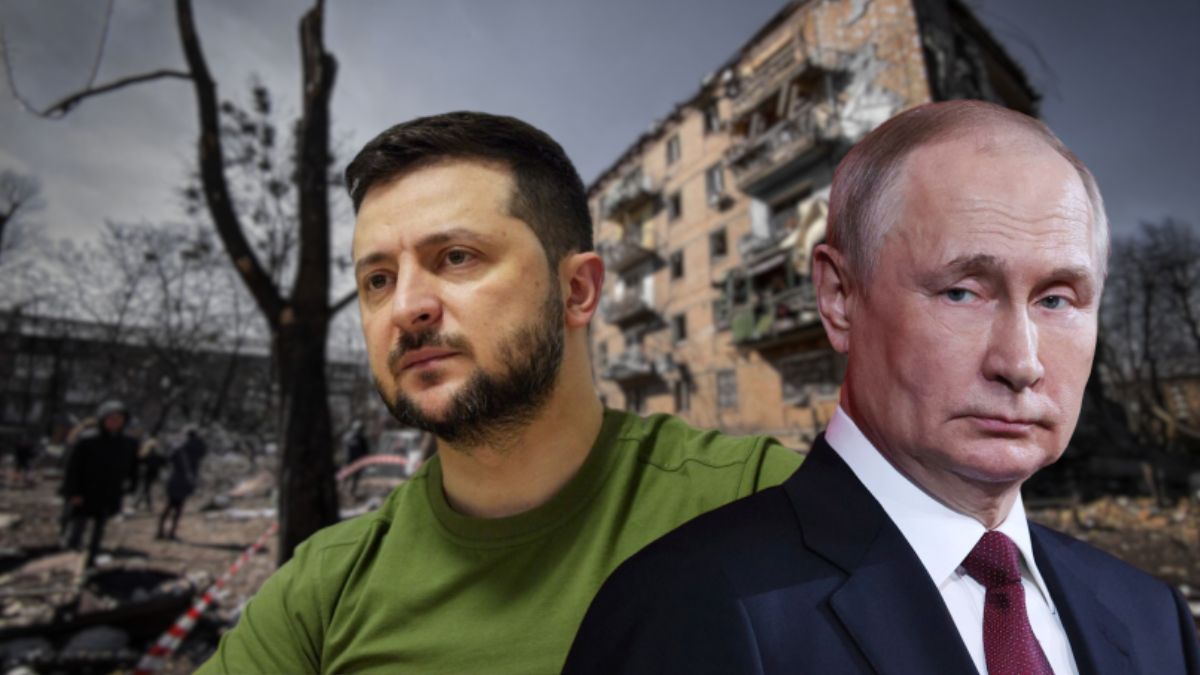
The United States has agreed to offer Ukraine robust security guarantees as part of renewed efforts to end Russia’s nearly four-year war, even as Britain’s MI6 chief warns that Russian President Vladimir Putin is dragging out peace negotiations and pursuing a strategy to subjugate Ukraine.
In a significant diplomatic development, Washington has committed to security assurances for Kyiv, a move seen as key to unlocking stalled peace talks. The agreement, reached during high-level discussions in Berlin between US officials and Ukrainian President Volodymyr Zelenskyy, underscores the United States’ intention to anchor Ukraine’s future security without formal NATO membership.
At the same time, Britain’s new MI6 head, Blaise Metreweli, used her first major public address to portray Putin’s negotiating stance as a calculated effort to delay a meaningful settlement while weakening Ukraine and testing Western resolve. Her comments signal rising concern among Western intelligence circles about Russia’s broader strategies in both conventional and “gray zone” warfare.
Are the US security guarantees a milestone in peace diplomacy?
The US offer of security guarantees represents one of the most concrete Western commitments to Ukraine since Russia’s full-scale invasion in 2022. While details remain under negotiation, the assurances are being framed as legally binding commitments similar in spirit to NATO’s Article 5 mutual defence guarantees, though stopping short of formal alliance membership.
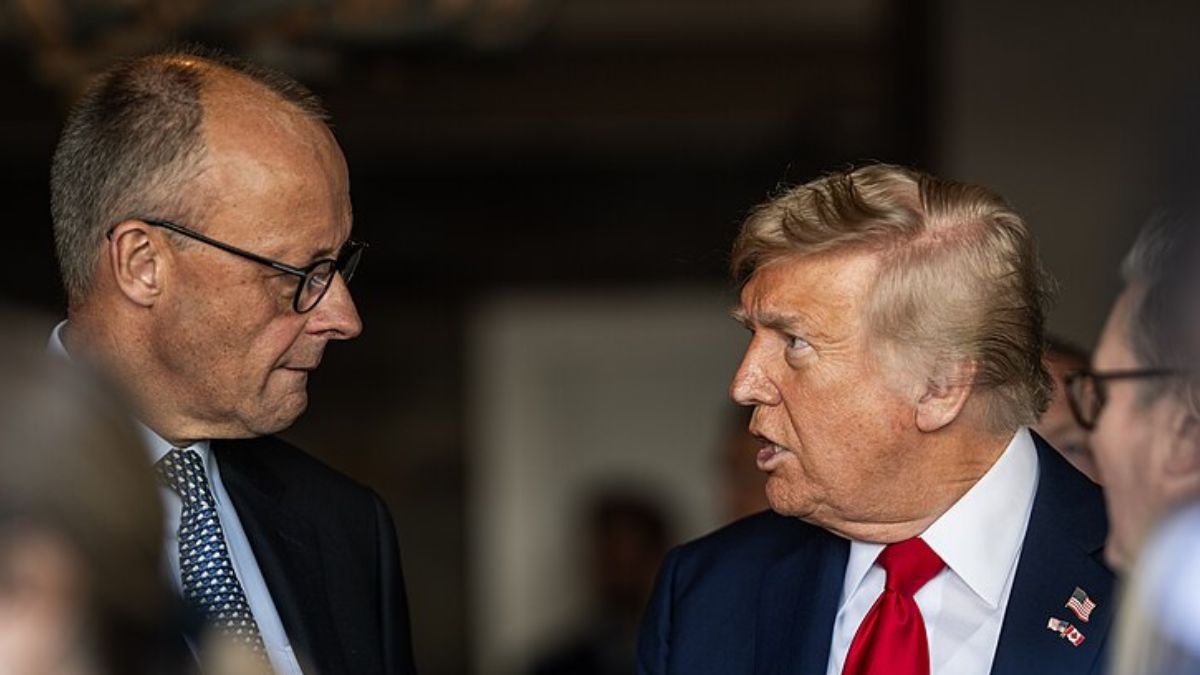
President Donald Trump, whose administration has been mediating talks, described the step as a sign of progress toward a peace deal. US officials have indicated that the guarantee framework will require approval by Congress and does not involve deploying US combat troops to Ukraine.
European leaders in Berlin also backed the move, emphasising that durable security guarantees from both the US and European partners are essential to deter future Russian aggression and provide Ukraine with confidence in a post-war security architecture.
Ukrainian officials have welcomed the development, portraying the security guarantees as a critical element for any lasting peace. However, disagreements remain over key issues such as territorial control in eastern Ukraine and Moscow’s demands, particularly concerning the Donetsk region, which Kyiv firmly rejects.
What was the MI6 chief’s stark warning on Russian tactics?
Against this diplomatic backdrop, Metreweli delivered a stark warning that Putin is intentionally prolonging peace talks to further Russia’s strategic aims. In her address, she accused Moscow of deploying hybrid tactics, including cyberattacks, disinformation campaigns, and other actions below the threshold of overt war, to destabilise Ukraine and challenge NATO unity.
Metreweli’s remarks reflect a broader shift in Western intelligence assessments, framing Russia’s conduct not merely as a military campaign but as part of a wider effort to fracture Western alliances and expand influence through unconventional means. She described the current global era as a contested “space between peace and war,” emphasizing the need for sophisticated intelligence capabilities.
Her criticism also comes amid mounting pressure on Western governments to maintain unity in support of Ukraine, even as domestic political debates, particularly in the United States, influence foreign policy priorities.
Looking ahead, what trajectory can the negotiations take?
With both the US security guarantees and MI6’s warnings dominating diplomatic discourse, efforts to reach a negotiated peace remain complex. While the latest agreements signal intensified international backing for Ukraine, Moscow’s reluctance to make substantive concessions suggests that talks may continue to be protracted.
As Ukraine and its allies push for a settlement that preserves Kyiv’s sovereignty and deters future aggression, the interplay of diplomatic commitments and strategic warnings highlights both the stakes and challenges of securing a lasting peace in Eastern Europe