
US–Russia Threats to Resume Nuclear Testing Raise Fears of a Dangerous New Arms Race

The United States and Russia have reignited global anxiety by openly threatening to resume nuclear weapons testing, moves that experts warn could unravel decades of nonproliferation progress and push the world closer to a renewed nuclear arms race.
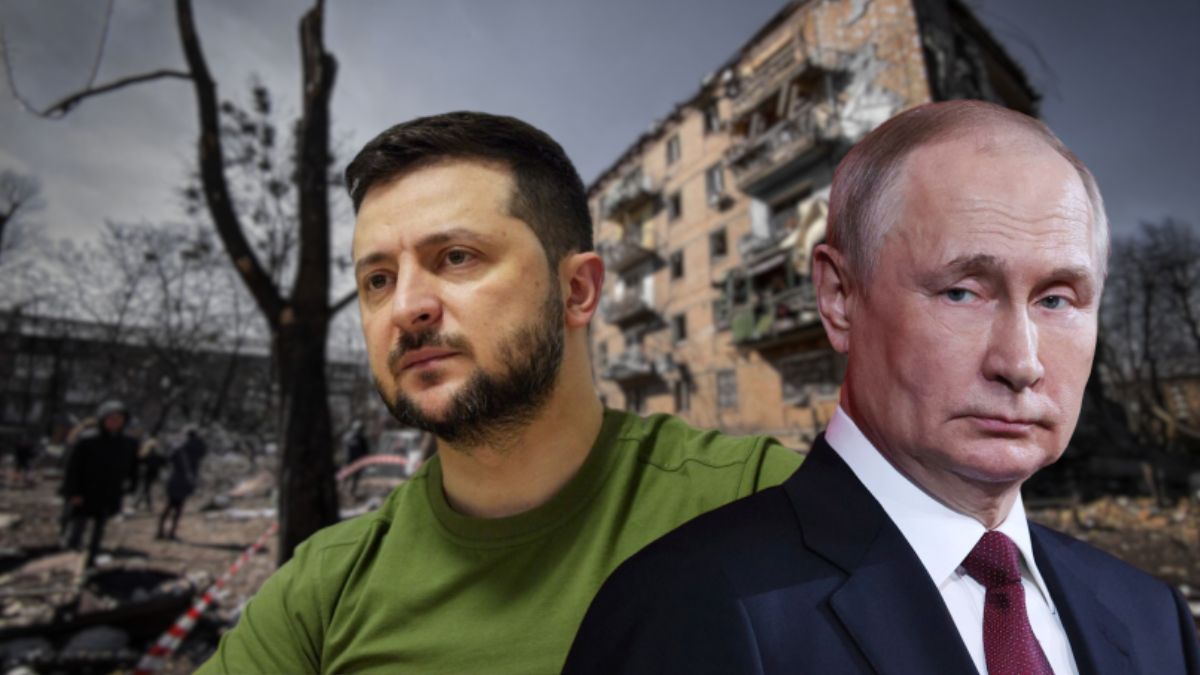
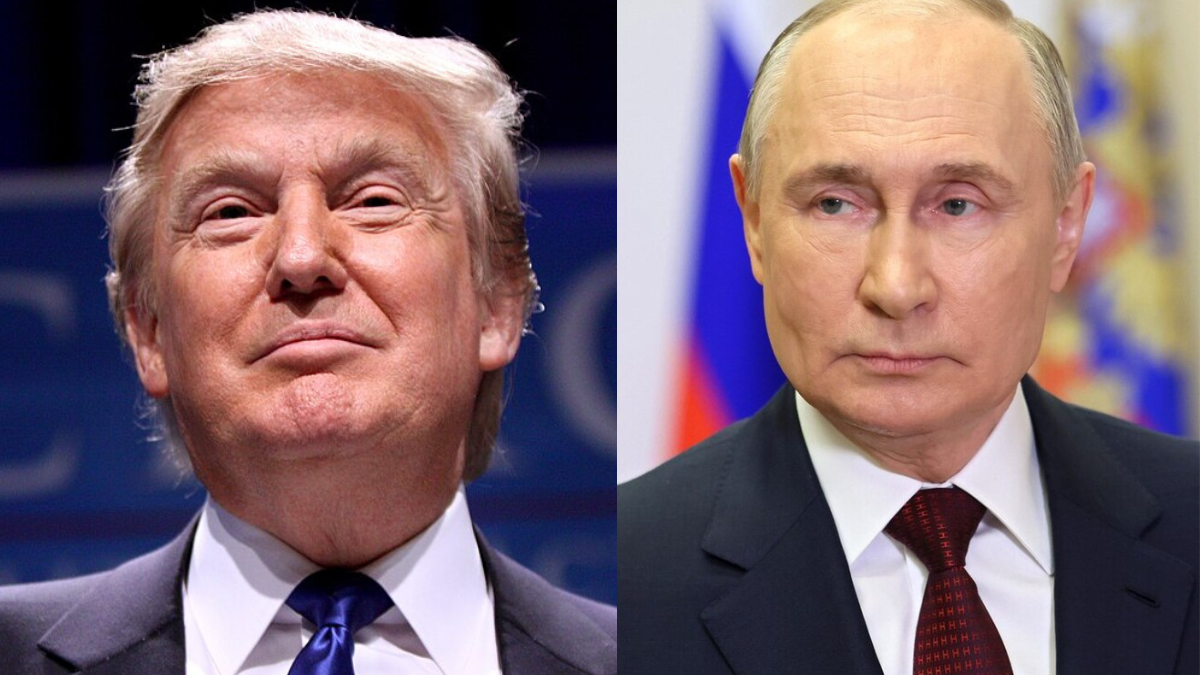
The statements, made separately by US President Donald Trump and Russian President Vladimir Putin, place unprecedented pressure on the global norm against nuclear testing, a principle that has held since the late 1990s despite not being legally binding.
What did the US, Russia announce regarding nuclear tests?
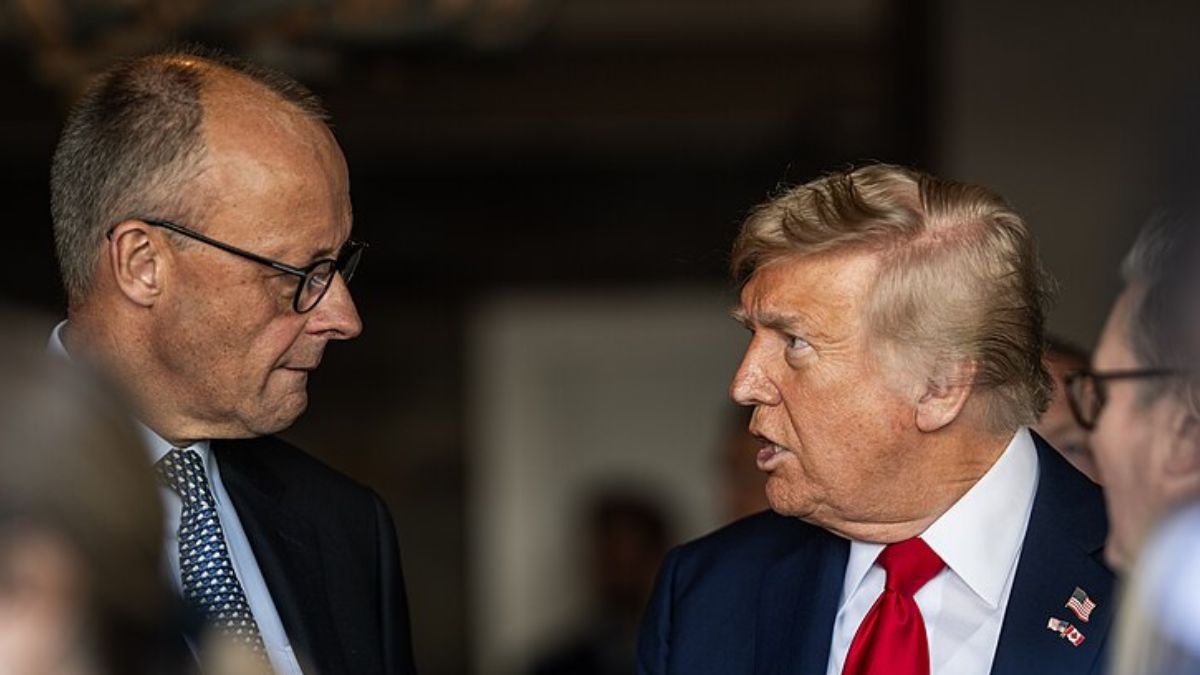
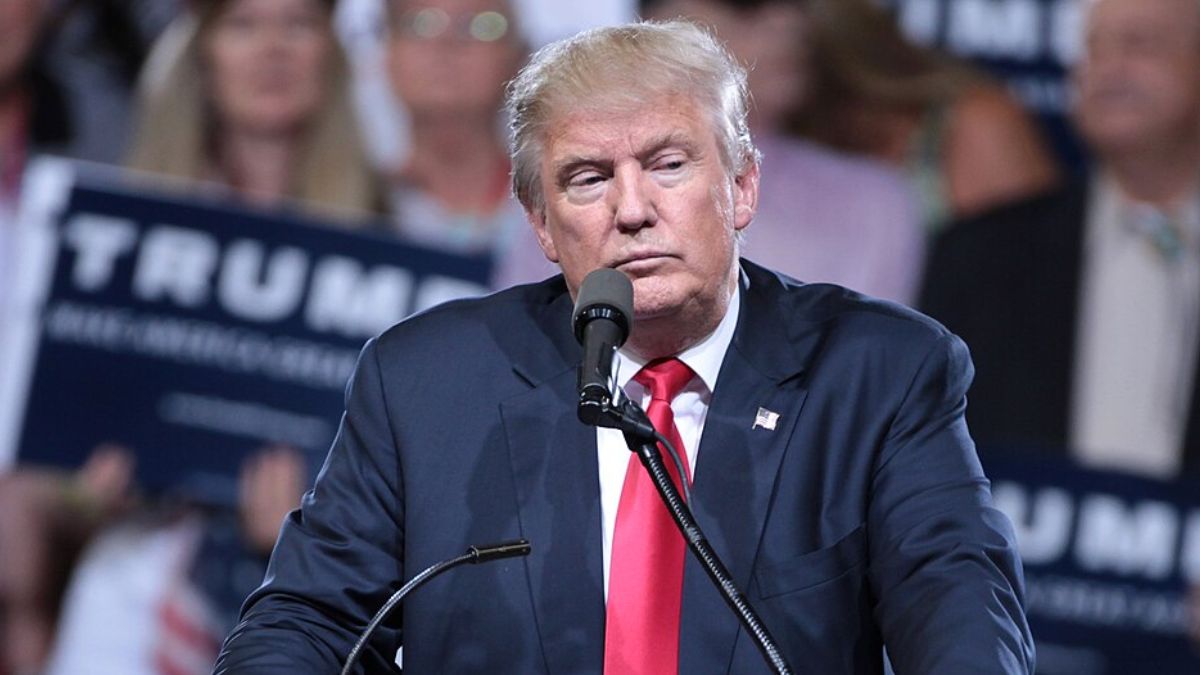
Trump announced on Truth Social in late October that he had instructed the Department of War to “start testing our Nuclear Weapons on an equal basis” with other countries, adding that the process would begin immediately.
Moscow quickly countered. Putin told Russia’s Security Council that if the US or any signatory to the Comprehensive Nuclear-Test-Ban Treaty (CTBT) returned to testing, Russia would be “under obligation to take reciprocal measures.”
How are the US, Russia statements a threat to the CTBT?
Their statements represent the most serious challenge in years to the CTBT, an agreement adopted by the UN General Assembly in 1996 to prohibit all nuclear test explosions.
Although the treaty has not entered into force, it has successfully created a powerful global norm: 187 states have signed it, and 178 have ratified it.
Yet the treaty requires ratification by 44 specific states before it becomes legally binding. Nine of those, including the US, China, Iran, Israel, India, Pakistan, and North Korea, have not done so.
Russia ratified the treaty but revoked its ratification in 2023, citing US inaction and current geopolitical tensions.
Why is the CTBT under strain?
The CTBT was born out of widespread concern during the 1950s and 1960s, when the US and the Soviet Union conducted massive atmospheric nuclear tests with devastating environmental and health impacts.
That prompted the Limited Test Ban Treaty in 1963, which banned atmospheric testing but allowed underground explosions. A global push for a comprehensive prohibition gained momentum in the 1990s, culminating in the CTBT’s adoption.
How are nuclear tests monitored?
Today, despite its incomplete legal status, the treaty is backed by a powerful surveillance network operated by the Comprehensive Nuclear-Test-Ban Treaty Organisation (CTBTO) in Vienna.
The 307 monitoring stations, using seismic, hydroacoustic, infrasound, and radionuclide technologies, can detect nuclear explosions anywhere in the world. The CTBTO’s 2025 budget exceeds $139 million, funded primarily by member-state contributions.
Executive Secretary Robert Floyd has said the CTBTO’s role during the current uncertainty is to provide confidence to states that any nuclear explosion “anywhere, anytime” would be detected. The system successfully identified all six North Korean nuclear tests between 2006 and 2017.
Why are experts warning of a new arms race?
Arms control specialists say a return to nuclear testing by Washington or Moscow would embolden other states, especially those with less experience, to refine their arsenals.
Daryl Kimball of the Arms Control Association warns that US testing would “open the door” for countries such as China or India to conduct full-scale detonations to perfect modern warhead designs.
Joseph Rodgers of the Center for Strategic and International Studies argues it makes far more sense strategically for emerging nuclear powers to test than for the US or Russia, which already possess extensive testing data.
Since 1996, only India, Pakistan, and North Korea have conducted nuclear tests: ten in total. Roughly 2,000 tests, mostly by Washington and Moscow, took place before the CTBT’s adoption. Renewed testing risks eroding the moral and political barriers that have kept this number from growing.
What kind of tests are being discussed?
The White House has not clarified what form the proposed US tests would take. Energy Secretary Chris Wright has said they would not involve nuclear explosions.
Under the CTBT, “supercritical” tests–those involving a self-sustaining nuclear chain reaction — are prohibited. Subcritical experiments, which involve no nuclear yield and are routinely conducted by nuclear-weapon states, are permitted.
What are the gaps in test verifications?
Yet verification gaps remain. Kimball notes that extremely low-yield “hydronuclear” tests conducted underground could evade CTBTO detection.
Though the monitoring system is rated to detect 1 kiloton explosions, it often performs better, identifying blasts as small as 500 tons of TNT. For comparison, the Hiroshima bomb was roughly 15 kilotons.
How is this a dangerous moment for global security?
With both the US and Russia signaling potential nuclear testing, the world faces a destabilising moment. If either proceeds, analysts fear that the long-standing taboo against nuclear testing could collapse, opening the way not just for rivals like China and India but potentially for new nuclear aspirants.
In a volatile geopolitical climate, the risk of miscalculation or escalation could rise dramatically. Whether diplomacy or scientific monitoring can prevent this unraveling remains uncertain. But for now, the global nonproliferation regime appears more vulnerable than at any time since the end of the Cold War.