Vladimir Putin Invited To US President Trump’s Gaza ‘Board of Peace’ Even As Russia’s War In Ukraine Continues
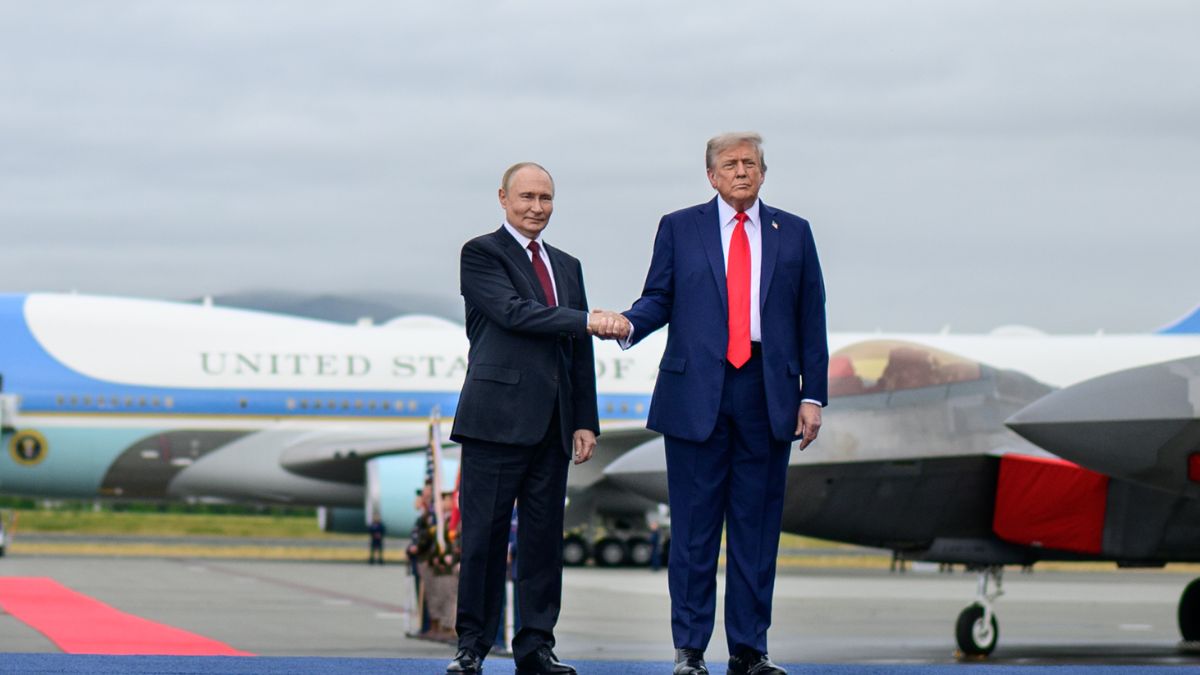
The first appointments to the board, announced on Friday, included Trump himself as chair, with a “founding executive board”. Image courtesy: x.com/whitehouse

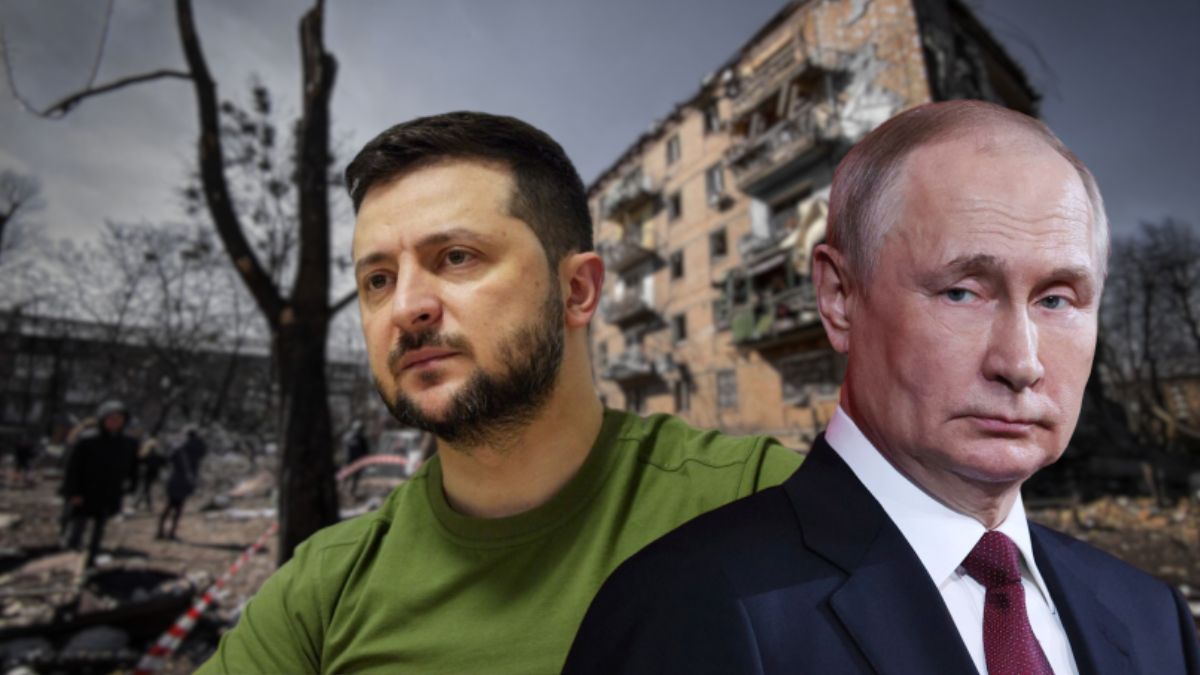
Even as Vladimir Putin seems to show no signs of abating the ongoing war with Ukraine, the Russian President has been invited to join the newly formed ‘Board of Peace’ to oversee ceasefire in war-torn Gaza. The Kremlin has confirmed that Putin has been invited to join US President Donald Trump’s newly created board.
Trump’s ‘Board of Peace’ has been envisioned as a body that seeks to oversee a proposed ceasefire and political transition in Gaza. Kremlin spokesperson Dmitry Peskov said Moscow was in contact with Washington to “clarify all the nuances” of the invitation before taking a final decision.
Ironically, Putin has been invited to the Gaza peace board even as Russia continues its war in Ukraine, where Moscow has repeatedly rejected ceasefire proposals and where the conflict has resulted in heavy civilian casualties, raising immediate questions about the board’s credibility and composition.
What is Trump’s ‘Board of Peace’?
The Board of Peace is a newly proposed international body outlined in Trump’s Gaza ceasefire initiative and endorsed in principle by a UN Security Council resolution in November 2025. According to its charter, the board aims to supervise a transition to lasting peace in Gaza, oversee governance reforms, and guide a technocratic Palestinian committee tasked with running the territory’s day-to-day administration.
In a statement issued by the White House, President Trump said the board would play an essential role in implementing the plan following the Israel-Hamas war, providing strategic oversight, mobilising international resources and ensuring accountability as Gaza transitions from conflict to peace and development.
Beyond Gaza, the charter signals broader ambitions, stating the board would “solidify peace in the Middle East” and pursue “a bold new approach to resolving global conflict”, language widely seen as positioning it as an alternative to existing multilateral institutions such as the United Nations.
Trump’s Board of Peace: Who has been appointed and invited
Proposed the board, the US President has named himself chair of the board, with a founding executive group that includes former UK prime minister Tony Blair, US secretary of state Marco Rubio, World Bank president Ajay Banga, real estate developer and envoy Steve Witkoff, and Trump’s son-in-law Jared Kushner.
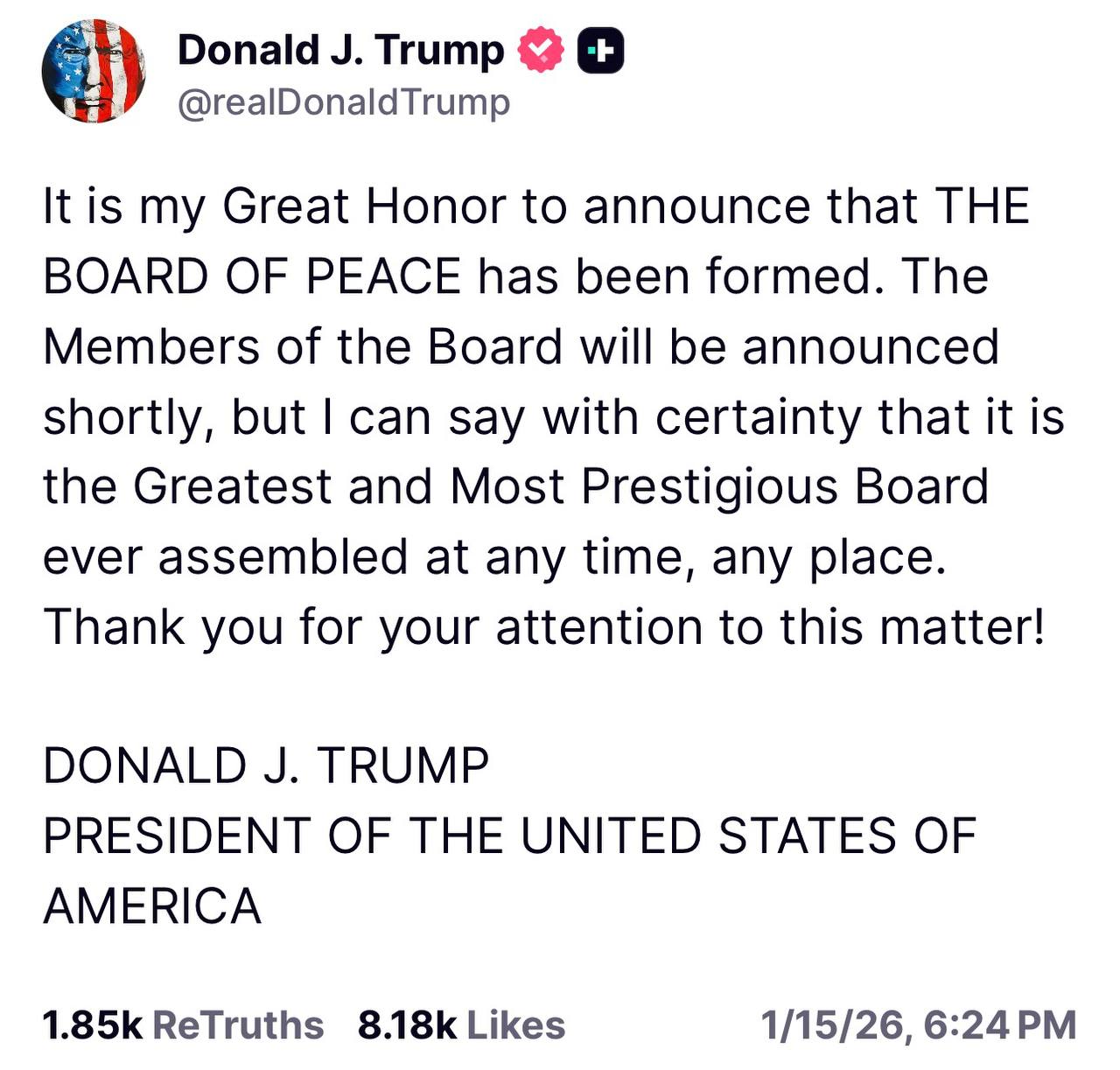
Invitations have also been extended to leaders of Argentina, Paraguay, Turkey, Egypt, Canada, Thailand and Belarus. Hungary and Vietnam have confirmed their acceptance, while Belarusian leader Alexander Lukashenko publicly welcomed the offer. UK PM Keir Starmer has reportedly been approached but is awaiting a formal invitation.
Board of Peace membership rules and controversy over fees
Under the board’s charter, national leaders would serve up to three years, unless their governments pay a reported $1 billion fee to become permanent members. The purpose and destination of such payments remain unclear, fuelling criticism that the structure mirrors Trump’s private club model rather than established international organisations.
France has already indicated it will decline membership, citing concerns over the board’s expansive mandate and reiterating its commitment to the UN Charter as the foundation of multilateralism. Canada has said it would not pay for membership, though it has not formally rejected the invitation.
Putin’s inclusion raises strategic questions
The reported invitation to Putin has intensified scrutiny of Trump’s approach to global conflicts, particularly Ukraine. Critics argue that including the Russian president in a body meant to promote peace could reinforce perceptions that Trump favours Moscow, even as the war in Ukraine continues without meaningful de-escalation.
The Kremlin said Putin’s special envoy Kirill Dmitriev will attend the World Economic Forum in Davos this week and meet US officials, though it remains unclear whether the Board of Peace will feature in those discussions.
Meanwhile, despite the board’s creation, the ceasefire it was meant to oversee remains fragile. Israel continues military operations in Gaza, and Prime Minister Benjamin Netanyahu has reiterated opposition to Turkish or Qatari forces joining any international stabilisation mission. The second phase of the US-backed plan, involving technocratic governance and international security oversight, has yet to materialise.