
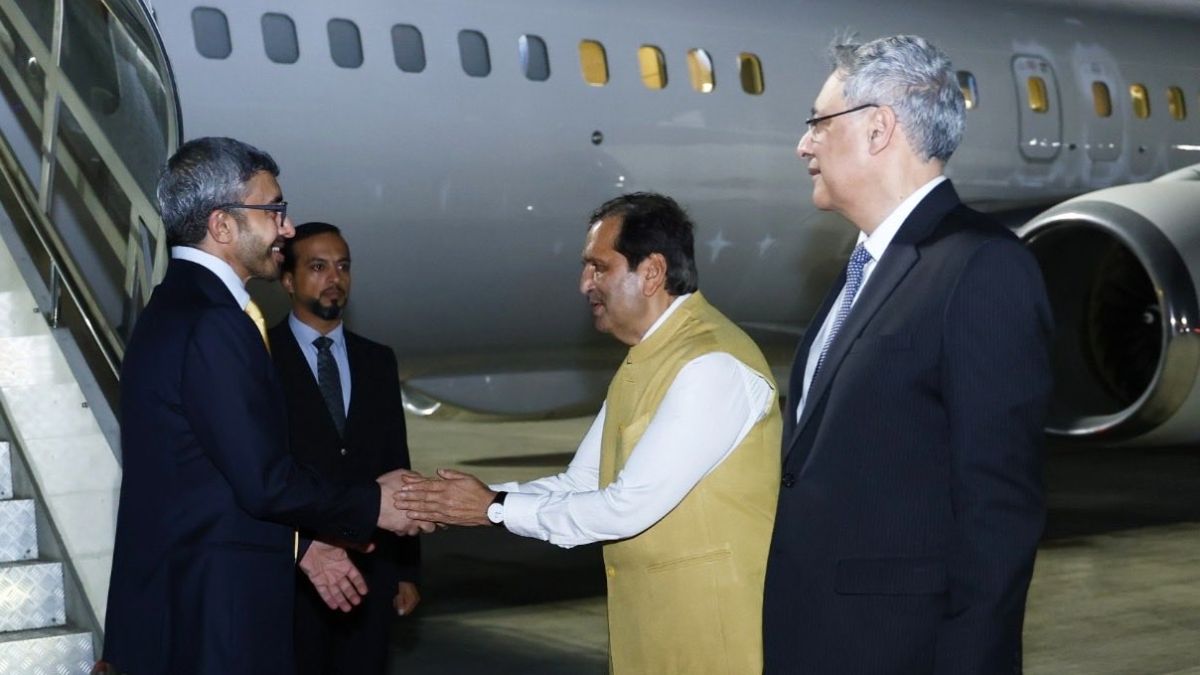
From Red Corridor to Reform: Surrendered Maoists To Train Forces, Give Insights Into IED Fabrication Methods
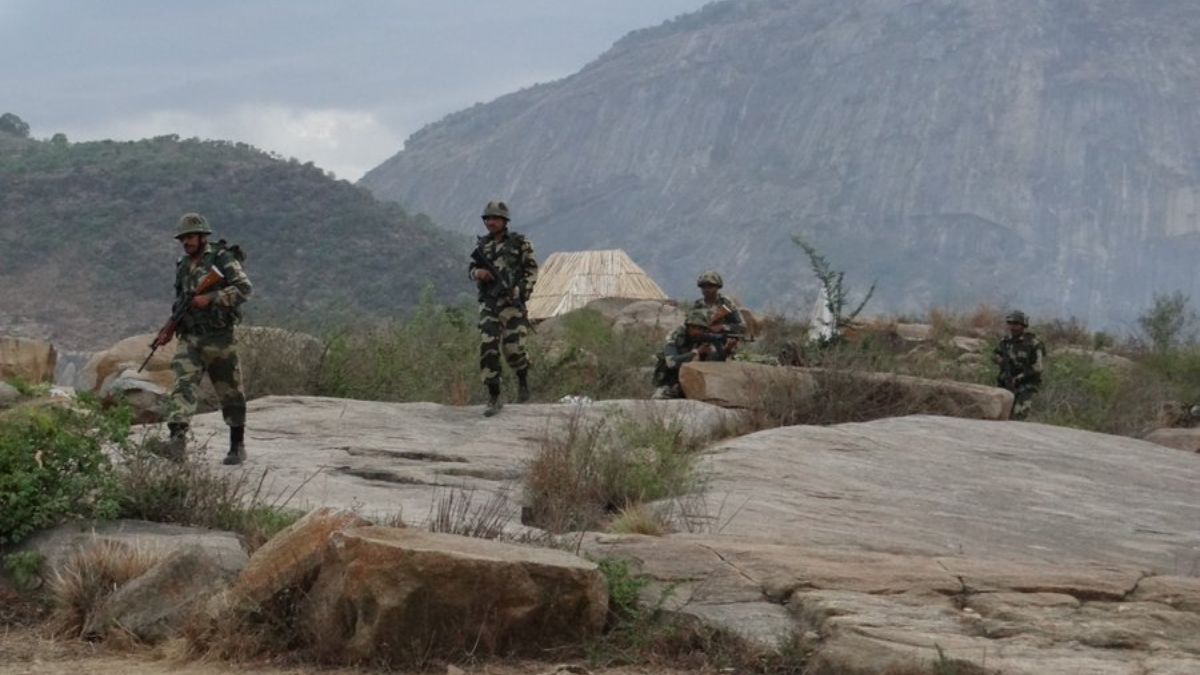
Officials said that inputs from the surrendered Maoist cadres have been critical in identifying planted IEDs in the recent past. Image courtesy: X.com

In a significant development following Union Home Minister Amit Shah’s declaration that the country has become almost “Naxal-free”, security agencies in Chhattisgarh have launched a unique initiative. They are deploying former Maoists to train security personnel in counter-insurgency tactics.
The positive development comes just around a week after the Home Minister claimed that the end of red terrorism is in its final phase. The Centre had set a deadline of making India Naxal-free by March 31, 2026. Speaking in the Lok Sabha last Monday (March 30, 2026), Shah claimed Naxalism had been almost wiped out in Bastar.
Home Minister Shah further noted that the region is now seeing roads, schools, ration shops, health centres and welfare delivery.
What lies ahead for surrendered Maoists?
Several media reports indicate that the surrendered Maoists are being inducted into security training. 18 surrendered Maoists, many of whom were once experts in handling improvised explosive devices (IEDs), are now set to train forces at the Counter Terrorism and Jungle Warfare (CTJW) College in Kanker, Hindustan Times reported.
The initiative aims to tap into the operational knowledge of former Maoist cadres to strengthen the preparedness of security forces engaged in anti-Maoist operations. The move marks a strategic shift from conflict to capacity-building, while also opening a new pathway for rehabilitation and reintegration of former insurgents.
Why this development matters is because these individuals bring first-hand experience of guerrilla warfare tactics, particularly in IED fabrication methods, placement strategies in dense forest terrain, and triggering mechanisms used in ambushes. Officials believe that such insider knowledge can significantly enhance the ability of forces to detect, neutralise and prevent IED threats.
How does this follow Amit Shah’s ‘Naxal-free’ declaration?
The move comes shortly after Amit Shah asserted that the Bastar region, once considered the epicentre of Left-Wing Extremism, has now largely been freed from Maoist influence. This transition, from active conflict zones to stabilised regions, has enabled authorities to shift focus from combat operations to consolidation, strengthen long-term security infrastructure, and invest in intelligence-driven and preventive strategies.
According to Bastar Inspector General of Police P Sundarraj, the selected individuals have been identified from districts including Sukma, Dantewada, Bijapur, and Narayanpur.
“Many among them were engaged in roles particularly related to the handling and deployment of IEDs. Out of these, around 15 surrendered cadres were previously involved as IED trainers, while 10 individuals possess nursing, medical or tailoring-related skills,” he was quoted as saying by HT.
This skill-based profiling not only helps in designing targeted training modules but also plays a key role in their rehabilitation.
What kind of training will they provide at CTJW College?
At the Kanker-based CTJW College, these former cadres will offer practical, ground-level insights into Maoist operational methods. The training will focus on understanding IED design and assembly, identifying likely ambush zones, recognising patterns in Maoist movement and tactics.
Such real-world inputs are expected to bridge critical knowledge gaps and improve on-ground effectiveness of security personnel operating in forested and high-risk zones.
The initiative is also a crucial step in integrating surrendered Maoists into mainstream society through meaningful engagement. Officials highlighted that a nodal officer has been appointed to oversee their selection and onboarding, and the documentation and monitoring mechanisms are also put in place.
“Such skill-based profiling provides valuable insights into the operational roles previously performed by these cadres and helps shape appropriate strategies for their rehabilitation, monitoring, and skill-based reintegration into the mainstream,” Sundarraj said.
Beyond training roles, individuals with additional skills, such as medical or tailoring expertise, may be guided towards civilian livelihoods. Security agencies see this as part of a broader strategy to deepen understanding of Maoist functioning and prevent any resurgence.