


India-US Trade Talks Going Well, But Piyush Goyal Refrains From Sharing A Deadline: Deal When Both Sides Benefit
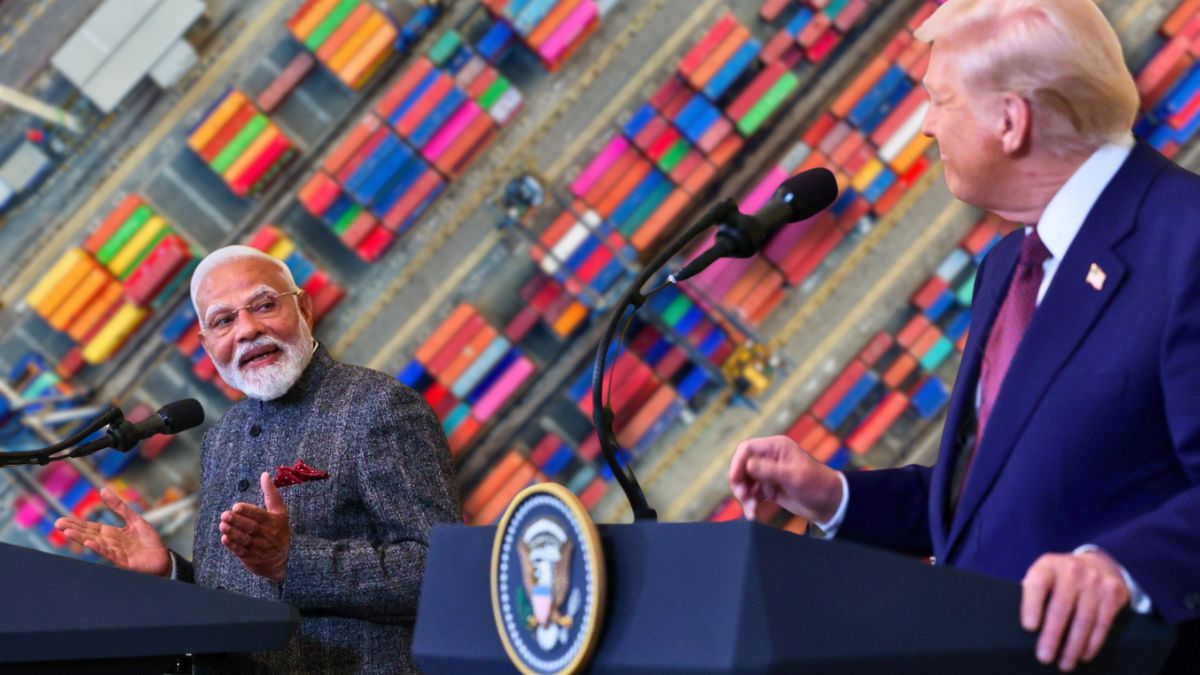
Piyush Goyal has shared that the current visit is not a negotiating round, but part of ongoing engagements. Image courtesy: RNA

After months of stalled negotiations, shifting geopolitical winds and tariff clashes, India and the United States appear closer than ever to clinching a long-awaited bilateral trade agreement. What began as another round of routine discussions has now evolved into one of the most intense phases of engagement between the two countries in over a decade.
Multiple developments in New Delhi and Washington this week signal unprecedented momentum: US trade teams arrived in the Indian capital on Tuesday (December 9, 2025), Indian officials say “most issues are resolved,” and senior American lawmakers are publicly acknowledging India’s most forward-leaning proposals in years.
The new, accelerated timeline, now pointing to March 2026, comes after negotiators missed their previously targeted November 2025 deadline for the first phase of the agreement.
India-US trade talks: What has changed in the negotiations this time?
The clearest shift came from US Trade Representative (USTR) Jamieson Greer, who stunned American lawmakers by describing India’s proposals as among “the best we’ve ever received as a country.” At a Senate Appropriations subcommittee hearing, Greer said US negotiators are currently “in New Delhi, as we speak,” working through agricultural market-access issues long considered deal-breakers.
He acknowledged India remains cautious on American “row crops” such as corn, wheat, soy and cotton, but noted that the talks have reached a level of seriousness not seen in previous administrations. For Washington, India is now seen as a viable alternative to China.
Meanwhile, wider talks have expanded into aviation components, industrial tariffs, digital trade, pharma, energy products and regulatory cooperation.
India confident about a US trade deal by next March?
Chief Economic Adviser V Anantha Nageswaran has stated that the remaining gaps are narrowing fast. Calling a trade pact both “economic and geopolitical,” he said he would be surprised if the agreement is not sealed by the end of the financial year (March 2026).
Union Commerce Minister Piyush Goyal has said that the negotiations are going well adding that a deal is only done when both sides stand to benefit. Speaking to reporters on Thursday (December 11, 2025), he under that India and the US have had substantive discussions over several rounds of negotiations.
“In the past, I think five rounds have happened. The current visit is not a negotiating round. The current visit is a new deputy United States Trade Representative (USTR) who has joined about three months ago. It’s his first visit to India. We’re getting to know each other…We had very good substantive discussions.”
With this, he clarified on CEA’s remarks that a deal could be possible by March 2026, saying, “I have said on record that a deal is only done when both sides stand to benefit. We should never negotiate with deadlines because you tend to make mistakes then.”
What is being discussed in the trade negotiations?
Indian negotiators are currently pushing to resolve the first phase, primarily tariff-level discussions, before the end of December. While the original early-fall deadline was missed, officials say talks are now moving at “maximum velocity.” CEA Nageswaran added that despite global trade uncertainty, India’s economy remains robust, exporters have diversified markets, and the rupee continues to support outbound shipments.
His statements come as US Trade Representative Greer said that India has “been a very difficult nut to crack… but they have been quite forward leaning… the type of offers that they have been talking to us about have been the best we have ever received as a country”. “I think that is a viable alternative market,” he added.
Worth mentioning here is that both India and the US are currently navigating a rapidly shifting global landscape which involves China’s economic slowdown and strategic assertiveness, global supply-chain recalibration, US efforts to secure alternative markets for agriculture, and India’s push to reduce punitive US tariffs.
If all goes well, India and the US could unveil their most significant trade breakthrough in nearly two decades, reshaping bilateral commerce, agricultural flows, energy cooperation and supply-chain architecture across the Indo-Pacific.