
Bangladesh Pushes India To Hand Over Sheikh Hasina, But New Delhi Holds The Right To Decide
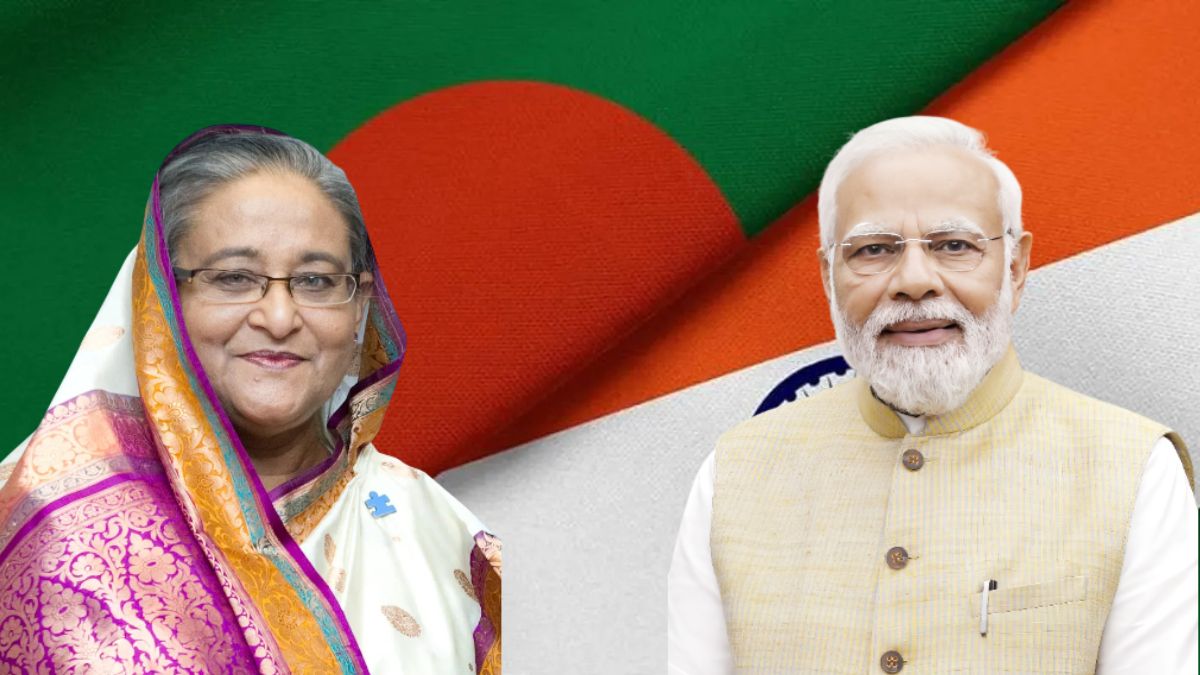
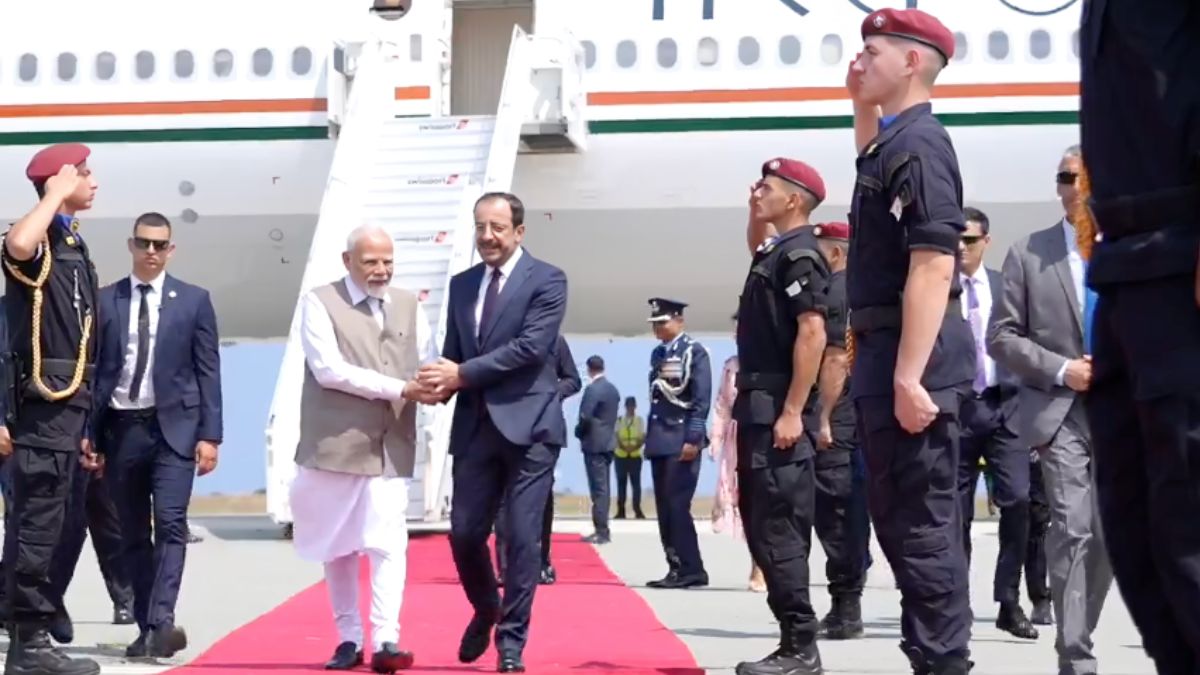
Growing diplomatic standoff unfolds as Dhaka presses for Sheikh Hasina’s return while New Delhi weighs legal, political and regional implications of a decision that could shape Bangladesh’s future. Image courtesy: RNA

Bangladesh’s interim government has said it will continue diplomatic efforts to secure the return of deposed prime minister Sheikh Hasina from India, as pressure mounts after a series of convictions against the former leader.
The 78-year-old Awami League chief has been living in India since August 5 last year, when a massive student-led uprising toppled her government and forced her to flee Dhaka amid surging anti-incumbency protests.
What did Bangladesh say about Hasina’s extradition?
Foreign Affairs Adviser Md Touhid Hossain confirmed on Wednesday (December 10, 2025) that Dhaka has “very limited options” beyond persuasion.
Speaking to reporters, he said Bangladesh would continue negotiations but acknowledged that the decisive role lies with New Delhi. “We will try to convince India to send her back to Dhaka,” he told state-run BSS. “If India does not agree to send her back, then there is nothing we can really do.”
How is Hasina’s extradition a diplomatic flashpoint?
The Hasina issue has rapidly become one of the most sensitive diplomatic flashpoints between the neighbours. Over the past month, Bangladesh’s courts have delivered a string of verdicts against her.
On November 17, the International Crimes Tribunal sentenced Hasina and former home minister Asaduzzaman Khan Kamal to death for alleged “crimes against humanity” linked to the July–August 2024 uprising. Dhaka has since formally requested her extradition from India.
How has India responded to Bangladesh interim government?
New Delhi has maintained a measured stance. External Affairs Minister S. Jaishankar said on December 6 that Hasina had come to India under certain circumstances, suggesting her next steps ultimately depended on her own choices.
India, he added, remained committed to the “best interests of the people of Bangladesh”.
What was Hasina’s response to the death sentence?
Hasina, for her part, has denounced the verdicts as politically motivated, calling the tribunal “rigged” and run by an unelected interim government.
Her legal troubles continued through November, with another court sentencing her to 21 years in prison in three corruption cases and, on December 1, a separate court awarding her a five-year jail term in a land-scam case. Her niece, British MP Tulip Siddiq, was also sentenced to two years in the same case.
Speculation about possible third-country asylum has surfaced in regional media, but Hossain dismissed such reports, saying he had received “no information through diplomatic channels.”
How is Bangladesh’s human rights record blemished?
The political storm comes at a time when Bangladesh faces intense global scrutiny over human rights and security sector reforms.
Hossain defended the Rapid Action Battalion (RAB), saying it had undergone “major improvements” compared to previous years, and insisted that intelligence agencies like the DGFI were not unusual in a global context.
As Dhaka continues to push for Hasina’s return and New Delhi weighs the geopolitical and humanitarian implications, the fate of a once-dominant South Asian leader now hangs on India’s decision, a choice that will shape not only bilateral ties but also the political trajectory of Bangladesh in the months ahead.