




Op Sindoor Damages: Pak’s Nur Khan Airbase Hit, India Sent ’80 Drones In 36 Hours’; President Advised To Take Shelter
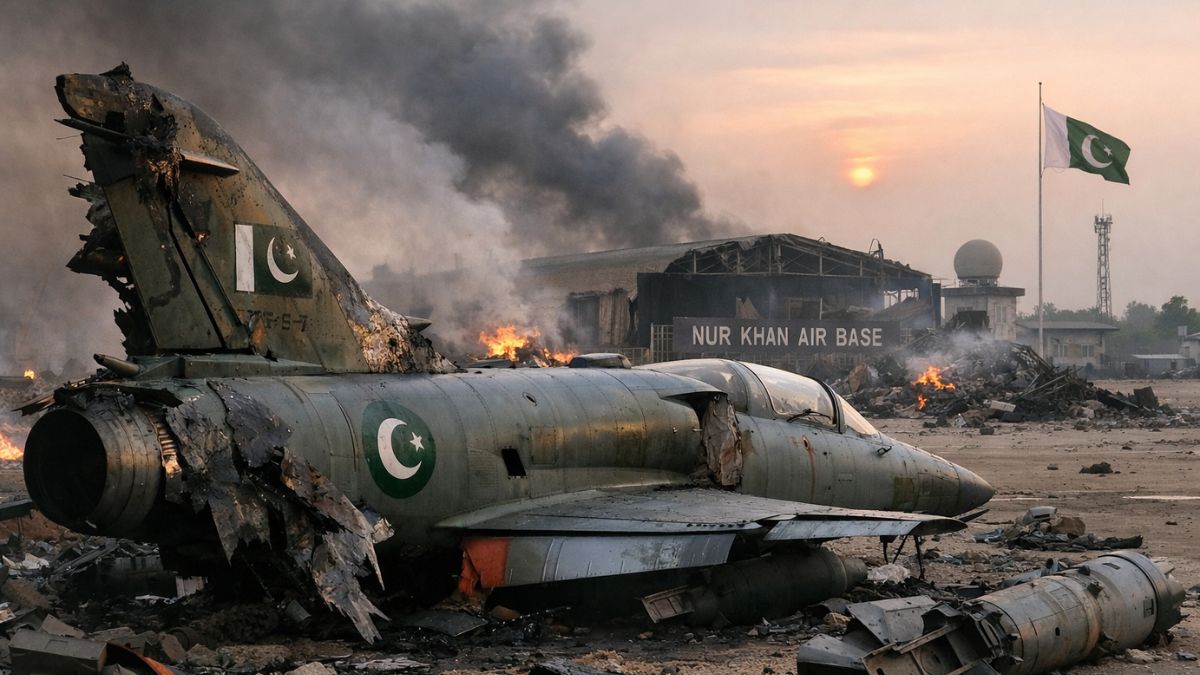
Pak President Asif Ali Zardari has now revealed that he was advised by his military secretary to take shelter in a bunker during Op Sindoor. Image courtesy: AI-generated picture via Sora

India has not just claimed but proved that during Operation Sindoor, our armed forces inflicted heavy losses on Pakistan, and now the latter has admitted the same. Nearly eight months after the brief but intense four-day military confrontation with India, Pakistan’s own leadership has begun acknowledging what New Delhi claimed all along.
Operation Sindoor hit deep, hit hard, and exposed Pakistan’s vulnerabilities, and Islamanad is now admitting the same. From heavy damage to the strategically important Nur Khan Air Base to the President being asked to take shelter in a bunker during the military conflict, India certainly secured big wins during Operation Sindoor.
In a striking admission, Pakistan President Asif Ali Zardari has now revealed that he was advised by his military secretary to take shelter in a bunker during the May 2025 confrontation with India, a remark that underscores India’s demonstrated ability to strike well inside mainland Pakistan.
Speaking at a rally marking the death anniversary of former Prime Minister Benazir Bhutto, Zardari said the advice came amid fears of Indian retaliation. While he claimed he refused to move, the disclosure itself punctured Islamabad’s long-standing narrative that Indian actions caused little concern or damage.
Was Zardari asked to hide in a bunker during Op Sindoor?
Despite a warning from Zardari’s Military Secretary, the Pakistani President offered only rhetoric, stating that he had refused to enter the bunker.
“My MS (Military Secretary) was there. He came to me and said, ‘Sir, the war has started.’ I had actually told him four days earlier that a war was going to happen. But he came to me and said, ‘Sir, let’s go to the bunkers.’ I said, ‘If martyrdom is to come, it will come here. Leaders don’t die in bunkers,” he claimed to have said.
Pakistani President further added that leaders die on the battlefield, they don’t die sitting in bunkers’.
What triggered Operation Sindoor and why was it different?
Operation Sindoor was launched by Indian armed forces on the intervening night of May 6–7, 2025, in retaliation for the deadly Pahalgam terror attack on April 22, 2025 in which Pakistan-affiliated terrorists killed 26 civilians in Jammu and Kashmir.
Unlike previous responses, India targeted nine terror facilities in Pakistan and Pakistan-occupied Kashmir, followed by a second wave that struck around a dozen Pakistani Air Force bases after Pakistan attempted to retaliate. India has repeatedly stressed that the operation was not concluded but merely “halted”, reserving the right to resume action if provoked again.
Pakistan’s losses during Op Sindoor: Why is it now admitting damages it earlier denied?
In another major shift, Pakistan’s Deputy Prime Minister and Foreign Minister Ishaq Dar has publicly acknowledged damage to key military infrastructure, including the strategic Nur Khan airbase in Rawalpindi’s Chaklala area, located less than 25 km from Islamabad.
Dar confirmed that Indian drones struck the base, injuring personnel and damaging installations, marking the first detailed official admission from Islamabad on the scale of Indian strikes. “In 36 hours, at least 80 drones were sent,” Dar said, even as he claimed Pakistan intercepted 79 of them.
Was Nur Khan airbase a strategic game-changer?
Nur Khan airbase houses some of the Pakistan Air Force’s most critical assets and plays a central role in air operations near the capital. Satellite images emerging in recent weeks show repair and reconstruction activity, reinforcing India’s claim that its strikes caused real, not symbolic, damage.
While India has not disclosed the exact weapon systems used, defence analysts say the strike was likely carried out using BrahMos supersonic cruise missiles, SCALP air-launched missiles, or a combination of both, launched from Su-30 MKI and Rafale fighters.
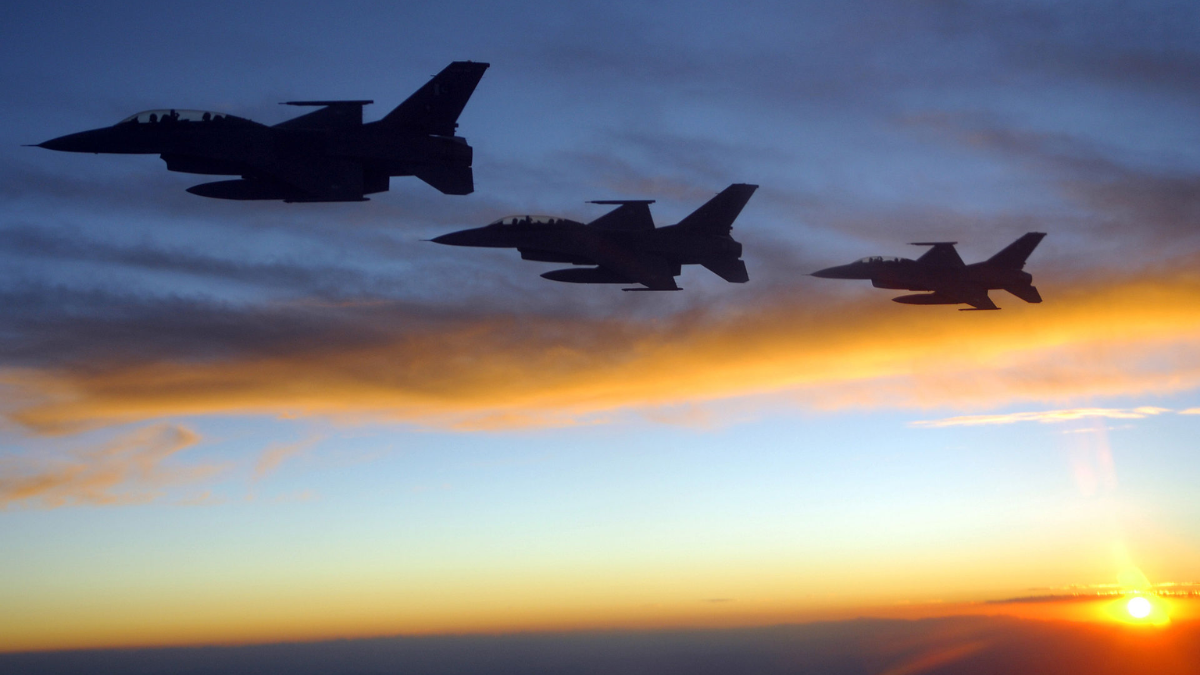
Did Pakistan also lose F-16s?
Earlier in October 2025, Chief of Air Staff Air Chief Marshal AP Singh confirmed that at least a dozen Pakistani military aircraft including F-16 jets were destroyed or damaged in Indian strikes during Operation Sindoor, while describing Islamabad’s claim of India’s losses as “fanciful stories” (Manohar Kahaniyan).
The Air Chief Marshal further added that the Indian action damaged a large number of military infrastructure in Pakistan that included hangars in three locations, radars in at least four places, command and control centres in two sites and runways in two air bases.
“What we have gathered from the intelligence report is that because of these strikes, radars at least four places, command and control centres at two places, runways at two places and then three of their hangars in three different stations have been damaged,” he stated.
Why did Pakistan seek a ceasefire so quickly?
Despite public bravado, the conflict ended swiftly. On May 10, Pakistan’s Director General of Military Operations contacted his Indian counterpart seeking a ceasefire. Dar has now confirmed that international actors, including US Secretary of State Marco Rubio and Saudi Foreign Minister Prince Faisal bin Farhan, were involved in backchannel diplomacy.
Dar said Rubio informed him that India was ready for a ceasefire and asked whether Pakistan would agree. Saudi Arabia later conveyed confirmation that both sides had agreed to halt hostilities.
Even as Pakistani leaders now acknowledge damage to airbases and personnel, familiar claims persist. Dar reiterated, though without evidence, that Pakistan shot down seven Indian jets, while Zardari dismissed India’s economic and military edge and responded to Prime Minister Narendra Modi’s warning with rhetorical bravado.


