

After Op Sindoor, DRDO Arms Indian Army with Next-Gen Camouflage Tech To Beat Drones, Radars, Thermal Sensors
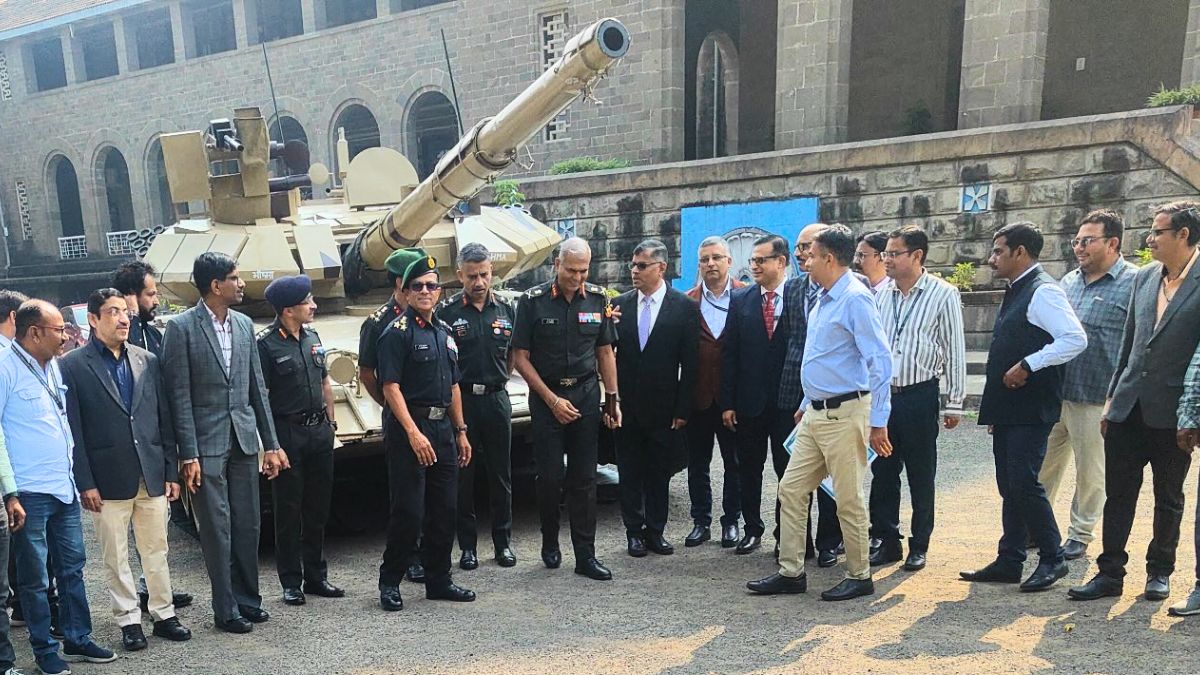
The DRDO has transferred two indigenous camouflage and deception technologies to the Indian Army. Image courtesy: X.com/@DRDO_India

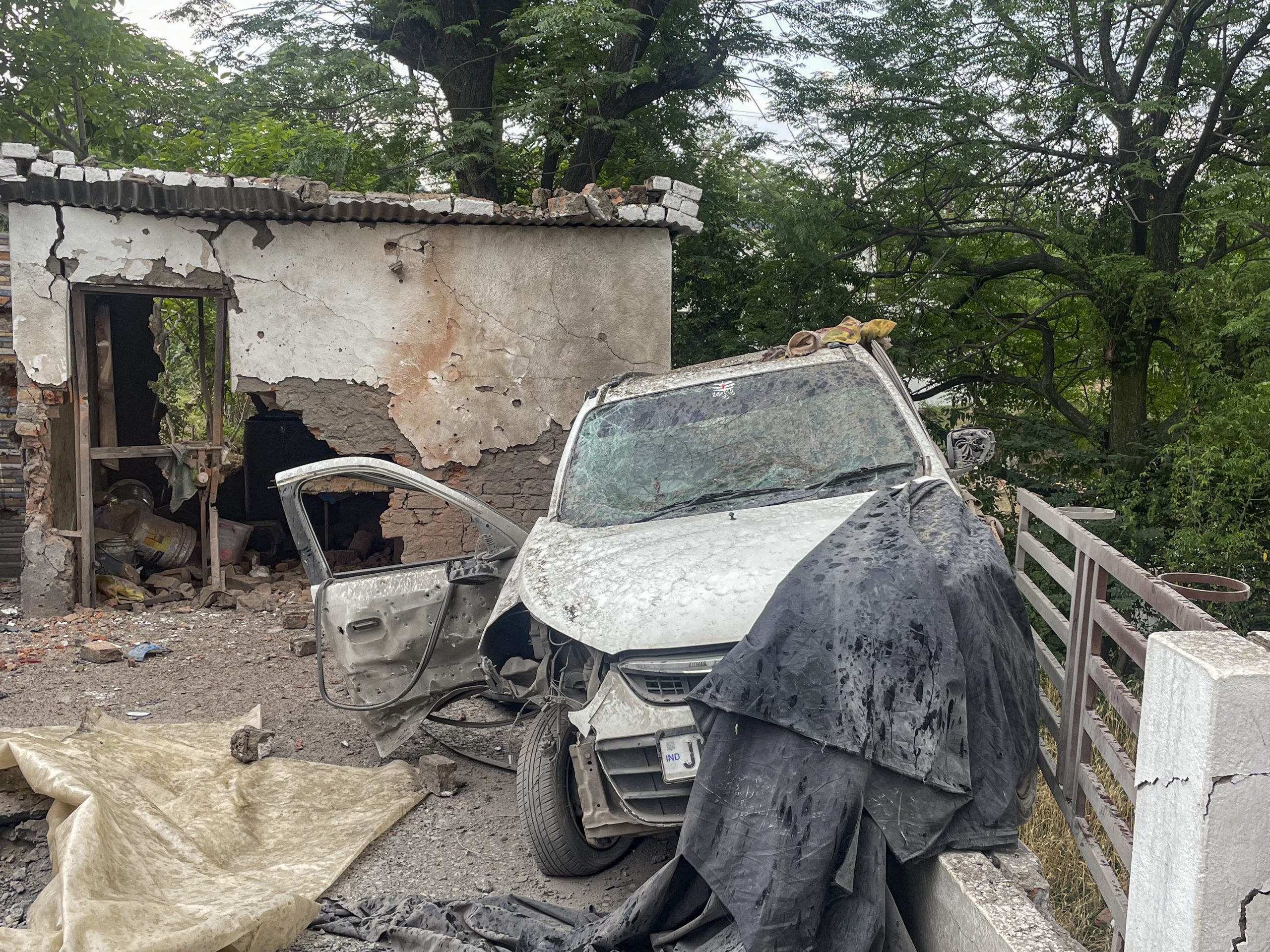
In the aftermath of the May 2025 Operation Sindoor, where Pakistani forces attempted to target Indian military assets, including high-value air defence systems such as the Russian-origin S-400 Triumf, India is sharply accelerating investments in battlefield deception and survivability.
Reflecting Sun Tzu’s maxim that “all warfare is based on deception,” the Defence Research and Development Organisation (DRDO) has now transferred two critical indigenous camouflage and deception technologies to the Indian Army, significantly strengthening its ability to evade modern surveillance, drones and precision-guided munitions.
The transfer was made earlier this month, in a ceremony that was attended by senior officers from DRDO and CME, Pune.
What technologies has DRDO handed over?
In the first week of December 2025, Defence Laboratory, Jodhpur (DLJ), a key DRDO unit, formally handed over Camouflage Pattern Generation Software Sigma 4.0 (CPGSS 4.0), and a full-scale Multispectral Signature Tank Mock-up. The technologies were transferred to the Indian Army’s Corps of Military Engineering (CME) in Pune.
According to DRDO, CPGSS 4.0 was launched on December 3, 2025 by Lieutenant General A K Ramesh, SM, Commandant, CME, in the presence of V S Shenoi, Director, DLJ, and will be made available for use by the tri-services.
How CPGSS 4.0 changes battlefield camouflage
CPGSS 4.0 is an advanced indigenous software platform designed to generate highly effective, multi-spectral camouflage patterns tailored for different terrains and operational environments. Unlike conventional camouflage, the system counters detection across visible spectrum, infrared (IR) and thermal sensors, radar-based surveillance.
By digitally optimising camouflage patterns, CPGSS 4.0 enables Indian military equipment and formations to blend seamlessly into diverse terrains, sharply reducing exposure to enemy UAVs, satellites and precision-strike systems, threats that featured prominently during Operation Sindoor.
How significant is the multispectral tank mock-up
Complementing the software is a full-scale multispectral signature tank mock-up, a realistic decoy that goes far beyond visual deception. The mock-up is engineered to replicate a battle tank’s thermal footprint, radar reflectivity, and electromagnetic characteristics.
This allows Indian Army personnel to train in real-world conditions, testing advanced camouflage materials and deception techniques against modern detection systems such as thermal imagers, radar and aerial reconnaissance drones.
Lessons from modern conflicts driving the shift
Recent conflicts, including India’s own experience during Operation Sindoor, have underscored the declining effectiveness of traditional camouflage in an era dominated by multi-domain surveillance. Defence officials told The Times of India that traditional camouflage methods are no longer sufficient on battlefields dominated by UAV reconnaissance, thermal cameras and radar systems.
Radar-based target acquisition has made multispectral deception a critical survivability tool rather than a niche capability. DRDO’s integrated approach, which involves combining software-driven camouflage design with realistic physical mock-ups, directly addresses these emerging threats.
Meanwhile, the induction of CPGSS 4.0 and the multispectral tank mock-up aligns squarely with India’s broader Aatmanirbharta push in defence, reducing reliance on imported deception and counter-surveillance technologies. For the Army, the systems enhance concealment, survivability and operational flexibility, especially in high-threat environments where high-value assets face constant targeting by missiles, drones and loitering munitions.