
Clear The Decks As INSV Kaundinya Set For Maiden Sail On Dec 29: Indian Navy Revives Ancient Maritime Genius
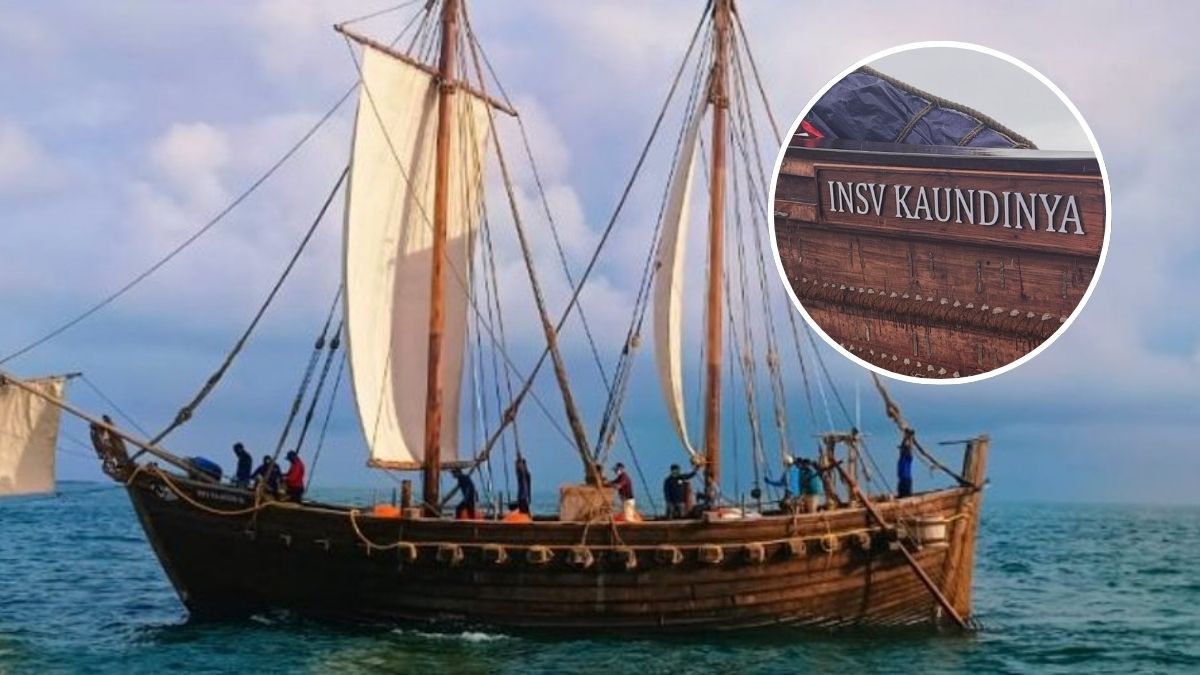
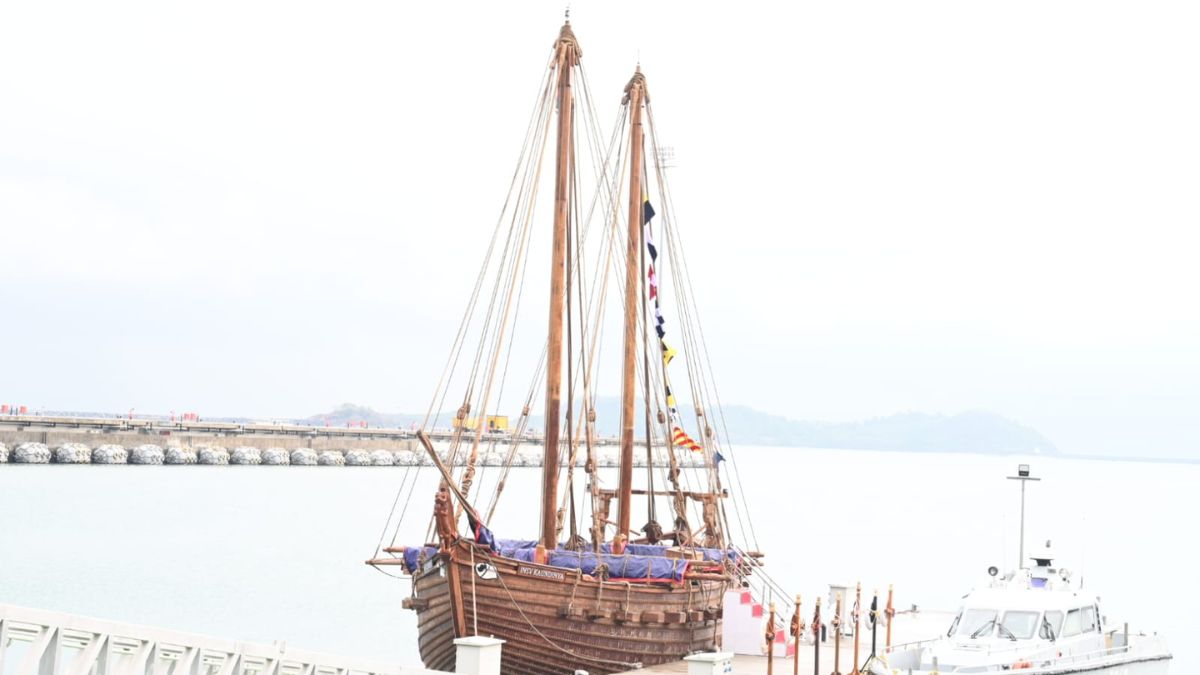
INSV Kaundinya represents a rare convergence of history, craftsmanship and modern naval expertise. Image courtesy: RNA

Navigating the technology of the future is no easy task, but handling and manouvering something ancient is certainly not a cakewalk. Despite all the challenges, the Indian Navy worked on something that is now set to script a unique chapter in naval history with a meticulously recreated stiched ship – INSV Kaundinya!
Tracing ancient trade routes to Oman, this one of its kind stitched ship is set to embark on its maiden voyage next week on December 29, 2025. The Indian Naval Sailing Vessel is inspired by India’s ancient seafaring traditions and will be flagged off from Porbandar, Gujarat, to Muscat, Oman, according to the Ministry of Defence.
This journey would symbolically retrace maritime routes that linked the Indian subcontinent with the wider Indian Ocean world for thousands of years.
INSV Kaundinya’s maiden voyage: Why it matters
Set to embark on its first-ever journey, INSV Kaundinya marks a living tribute to India’s indigenous shipbuilding knowledge unlike conventional naval platforms, blending historical authenticity with modern naval oversight. Inspired by a 5th-century ship depicted in the Ajanta Caves, the vessel stands as a rare convergence of archaeology, craftsmanship and contemporary seamanship.
The project was formally launched through a tripartite agreement in July 2023 involving the Ministry of Culture, Indian Navy, and Hodi Innovations. The initiative was part of a broader national effort to rediscover, preserve and operationalise indigenous knowledge systems, particularly those linked to India’s maritime past.
It has been built by traditional artisans under the guidance of master shipwright Babu Sankaran and supported by extensive research, design and testing by the Indian Navy and academic institutions. INSV Kaundinta is fully seaworthy and capable of oceanic navigation.
INSV Kaundinya: Craftsmanship rooted in tradition
Following the keel laying in September 2023, construction was entrusted to a team of traditional artisans from Kerala, led by master shipwright Babu Sankaran. Using age-old techniques, the artisans stitched wooden planks together using coconut coir rope; sealed joints with natural resins; and avoided modern metal fastenings entirely.
Over several months, the hull took shape through painstaking handwork—reviving a shipbuilding method once common along India’s coasts and across the Indian Ocean.
From Goa to the open seas
INSV Kaundinya was launched in February 2025 at Goa, following extensive research, design validation and testing by the Indian Navy and academic institutions. The vessel was inducted into the Indian Navy in May 2025 and underwent extensive sea trials at Karwar before being cleared for its long-distance voyage.
Historically, such stitched vessels enabled Indian mariners to sail confidently to West Asia, Africa and Southeast Asia, long before the advent of modern navigation tools or advanced metallurgy. By recreating this technology, the Indian Navy is not merely preserving history, but demonstrating its practical relevance in understanding early globalisation.
What’s behind the name INSV Kaundinya?
It is a name steeped in legend as the ship is named after Kaundinya, the legendary mariner believed to have sailed from India to Southeast Asia in ancient times. His story symbolises India’s long-standing role as a maritime connector of cultures, commerce and ideas.
As INSV Kaundinya prepares to cross international waters, she carries with her the legacy of countless unnamed seafarers who once shaped the Indian Ocean world.
The upcoming voyage from Porbandar to Muscat marks more than a ceremonial passage – it is a powerful reminder that India’s naval strength is rooted as much in heritage and knowledge as it is in modern platforms and technology. A 16-member Indian Navy crew has undergone specialised training to operate the ancient-style vessel.
Harbour training included sail handling, rigging, carpentry and maintenance under the guidance of traditional artisans, ensuring the crew could adapt to techniques vastly different from those used on modern warships.
INSV Kaundinya symbols: What do they represent?
Every element of the ship carries historical meaning. The sails feature the Gandabherunda, the two-headed eagle that was the royal insignia of the Kadamba dynasty which once ruled the Konkan coast, along with motifs of the Sun. The bow bears a Simha Yali, a mythical guardian figure, while a Harappan-style stone anchor adorns the deck, symbolising continuity across millennia of Indian seafaring.