

India’s Warship Revolution: Public-Private Synergy Key To Indigenous Shipbuilding, Says Defence Production Secy
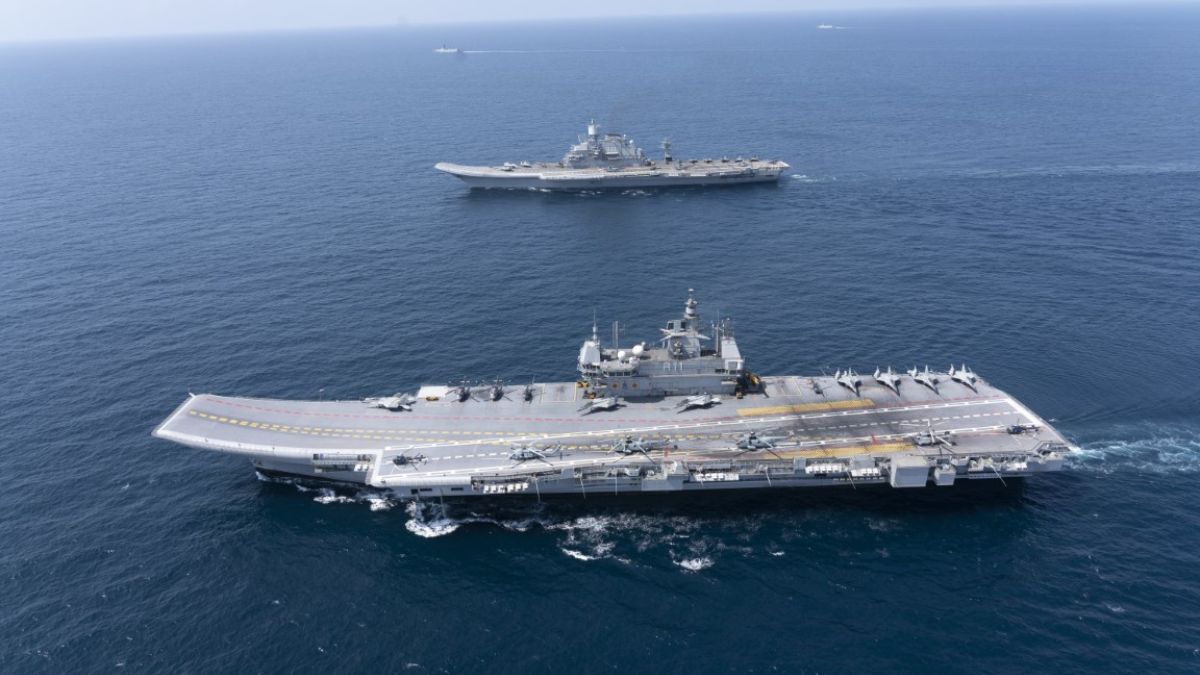
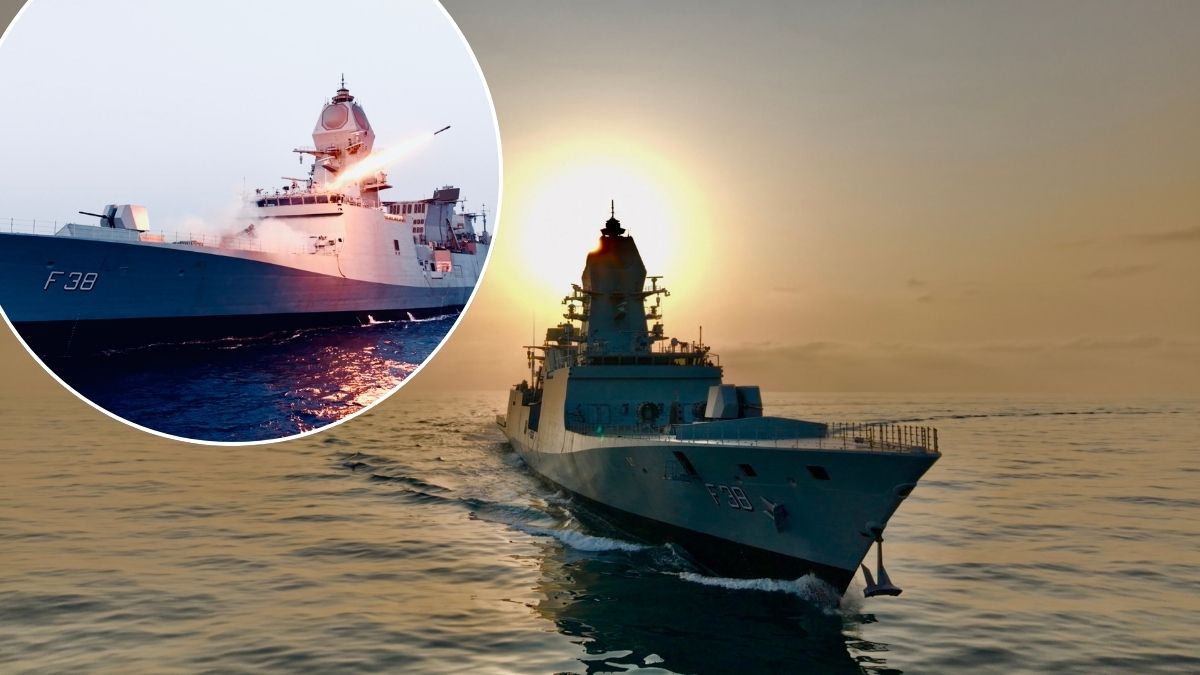
Growing synergy between the public and private sector is driving India’s indigenous warship construction, said Secretary (Defence Production). Image courtesy: Indian Navy

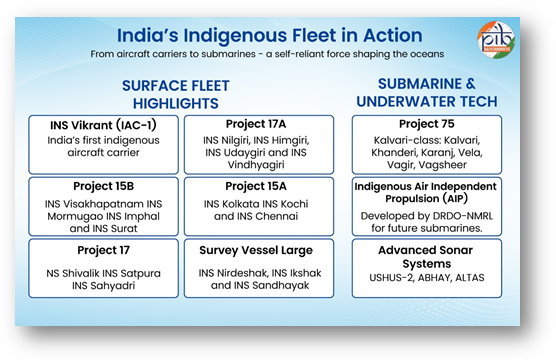
India’s shipbuilding sector is emerging as one of the strongest pillars of the country’s defence self-reliance mission, as senior officials highlighted at the South Zone Quality Assurance Industry Conclave 2025 held in Coimbatore. Sailing towards self-reliance, Indian shipyards have delivered over 40 indigenous warships and submarines since 2014.
As part of the Modi government’s increased push towards Aatmanirbharta in the defence sector, a new vessel is being inducted on average every 40 days in the last one year. And driving this immense growth and expanding the potential is the increased public-private synergy.
Secretary (Defence Production) Sanjeev Kumar on Wednesday (December 10, 2025) underscored that the synergy between public and private industry is now the driving force behind India’s indigenous warship construction boom. He emphasised that reforms such as Green Channel certification, supply-chain digitalisation, and streamlined Quality Assurance (QA) processes are helping India deliver complex naval assets faster.
“These reforms are empowering MSMEs and improving delivery timelines,” he said, adding that as India marches toward its ‘Viksit Bharat 2047’ goal, cutting friction in the shipbuilding supply chain is critical for meeting naval operational needs.
What role does quality assurance play in building world-class warships?
Joint Secretary (Land Systems) Dr Garima Bhagat called for a fundamental shift in India’s approach to defence manufacturing, moving from inspection to prevention. Instead of treating quality as a final checkpoint, she urged companies to engineer quality directly into the manufacturing lifecycle.
This shift is essential for India’s ambitious naval modernisation programme, where warships, submarines, and support vessels require consistent, high-precision manufacturing standards. Strong partnerships between the Navy, public shipyards, and private industry are central to ensuring this readiness.
The South Indian Defence Industrial Base conclave brought together around 80 industry leaders from Coimbatore, Chennai, and Bengaluru, which are the three major hubs contributing to India’s naval supply chain. Key focus areas included:
Strategic Navy–Industry Cooperation: Enhanced dialogue to improve quality of critical components for warships.
Technology Integration: Adoption of advanced digital tools and automated QA frameworks to boost combat readiness.
Vision Alignment: Reinforcing Quality as the foundation of Aatmanirbhar Bharat and Maritime Vision 2047.
6R6T.JPG)
Indigenous warship construction: Why is it crucial for India’s defence future?
India is already among the few nations capable of designing and building a wide spectrum of naval platforms. Indigenous shipyards, both public and private, are delivering stealth frigates, destroyers, submarines, offshore patrol vessels, aircraft carrier components, fleet support ships.
The enhanced focus on QA reforms and MSME participation ensures India can accelerate production timelines, reduce import dependence, and secure the vast Indian Ocean Region (IOR) with fully indigenous naval power.
How crucial is an indigenised naval force to Aatmanirbhar Bharat vision?
Characterised by minimal dependence on external supply chains, an indigenised naval force constitutes a central pillar of the Government of India’s Aatmanirbhar Bharat vision. This shift has become increasingly relevant as India positions itself as the Indian Ocean Region’s (IOR) primary “first responder”.
In recent months, the Indian Navy has conducted multiple humanitarian assistance, disaster response, and maritime security operations, safeguarding lives and high-value cargo. These interventions have enhanced global confidence in India’s maritime capabilities and reinforced its role as a stabilising actor in the region.
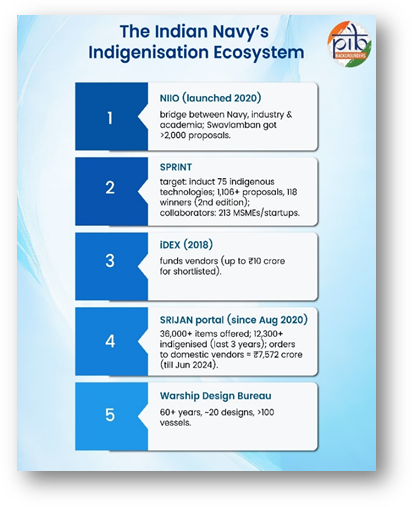
India’s push toward naval self-reliance, guided by the Indian Naval Indigenisation Plan (INIP), has gained renewed urgency. Worth mentioning here is that India’s coastline, extending approximately 11,098 kilometres, and its 2.4 million sq. km Exclusive Economic Zone (EEZ), encompass significant economic resources and critical infrastructure.