


Missile Without A Market? Pakistan’s SMASH Draws No Foreign Interest
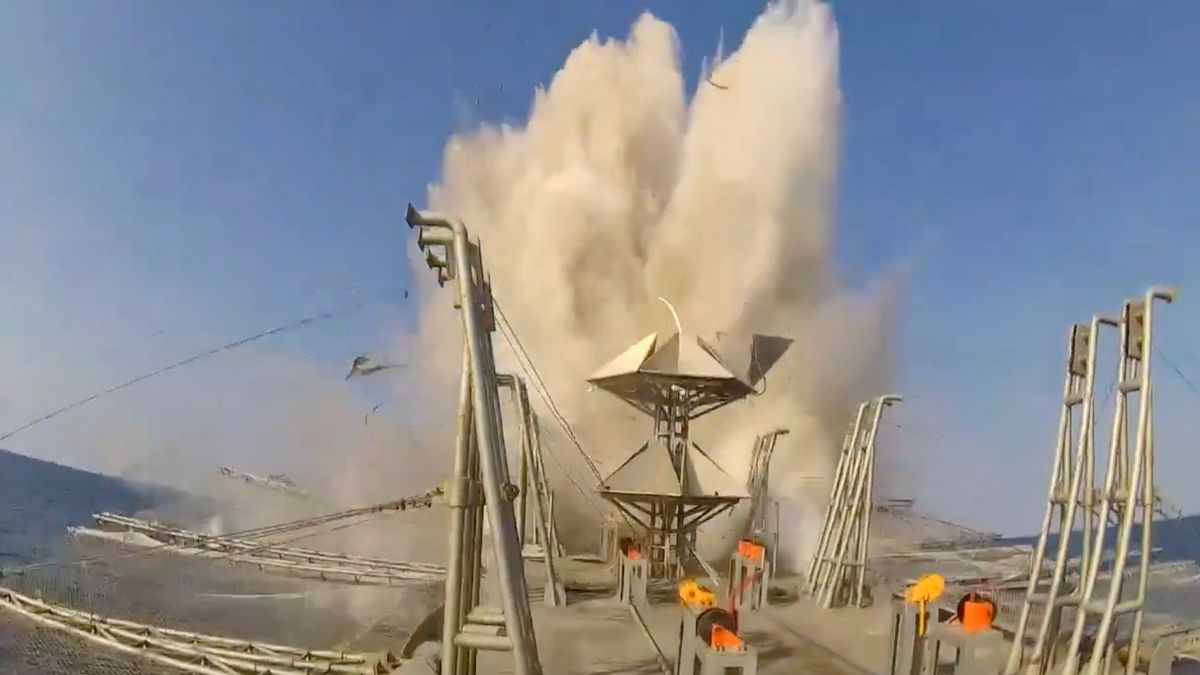
Despite excitement at home, Pakistan's SMASH missile is seeing no interest from foreign buyers. Image courtesy: Screengrab from X.com

Pakistan’s SMASH anti-ship ballistic missile has drawn attention at home as a symbol of the country’s growing interest in sea-based strike capabilities. But beyond domestic messaging, there is little sign the missile is prepared for export. Public information, industry signals, and Pakistan’s own export track record indicate that SMASH is primarily a national project with limited prospects overseas.
No foreign customer has expressed interest, there has been no marketing push, and the system has not appeared in international defence exhibitions. For now, SMASH remains a capability aimed at Pakistan’s own naval requirements rather than the global arms market.
Why is the missile’s size and complexity a barrier for buyers?
Analysts say SMASH is reportedly a large, technically demanding weapon that requires advanced launch platforms, specialised support systems and extensive crew training. Such systems are expensive to operate and difficult to integrate into most existing naval fleets.
Export-focused buyers typically favour compact, proven missiles that can be fitted onto a range of ships with minimal modification. A bulky anti-ship ballistic missile (ASBM) — especially one without confirmed operational use — is a steep proposition for smaller or cost-sensitive navies. Without a record of reliable field performance, experts say few governments are willing to assume the risks.
Has SMASH been validated in real-world conditions?
No public data suggests the missile has undergone realistic trials or operational deployment. Export buyers usually demand test figures, independently verifiable results or evidence that a system works under combat-like scenarios. In the case of SMASH, none of that information is available.
The absence of validated performance keeps the missile in what defence analysts describe as the “concept weapon” category. Systems without proven track records rarely make headway in the international market, especially in sensitive segments such as ballistic anti-ship missiles.
Does Pakistan have a history of exporting such systems?
Pakistan has developed several missile families over the years, but exports of advanced strategic weapons remain rare. Its missile programmes have largely been tailored toward domestic defence needs rather than international customers.
Industry experts say Pakistan lacks the global marketing networks, long-term servicing arrangements and logistical support chains that established exporters rely on. Without these structures, competing internationally becomes difficult, particularly in the high-end missile segment.
How do political and regulatory pressures affect export prospects?
Anti-ship ballistic missiles fall into a category that attracts significant scrutiny from global non-proliferation bodies. While not formally restricted, transfers of such systems typically face diplomatic pressure, regulatory hurdles and geopolitical concerns.
Defence officials and industry observers say potential buyers — especially smaller navies — would likely avoid systems that trigger heightened international attention. The diplomatic costs, they note, may outweigh any operational benefit.
Cost is another factor. High-end missile systems require expensive maintenance cycles, regular testing and specialised spare parts. Countries that can afford such purchases often turn to longstanding suppliers with established reputations, something Pakistan is still building.
Is Pakistan even trying to market SMASH overseas?
There is no sign of a marketing effort. SMASH has not been showcased at major defence exhibitions, and the government has not issued export-related brochures or briefings to foreign delegations. The absence of promotional activity reinforces the view that Pakistan sees SMASH as a domestic tool rather than a commercial product.
For Islamabad, analysts say the missile fits into a national strategy aimed at strengthening coastal deterrence and complicating the calculations of hostile surface vessels operating near Pakistani waters. In that role, SMASH serves local strategic needs rather than export ambitions.
Could successful tests eventually attract foreign interest?
Some observers argue that if SMASH demonstrates reliable performance in realistic conditions, a small number of like-minded states might take notice. But even then, the potential market would be narrow. Only navies with the right platforms, strategic requirements and political comfort level would consider acquiring a system of this type.
For now, all available indicators point in the same direction: SMASH is a missile designed for Pakistan’s own operational planning. Its size, technical demands, lack of proven performance, limited export infrastructure and political sensitivities make it an unlikely candidate for international sales.