Navy Takes Maritime Lead, Hosts IONS Exercise In Kochi As India Assumes IONS Chairmanship After 16 Years
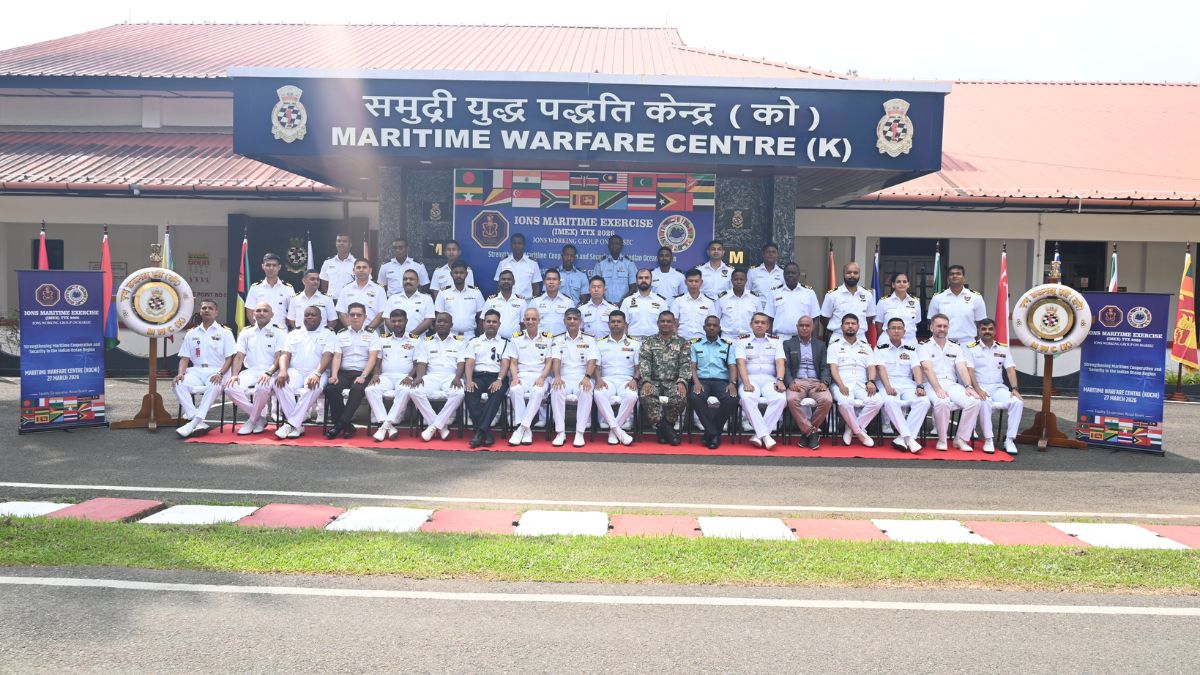
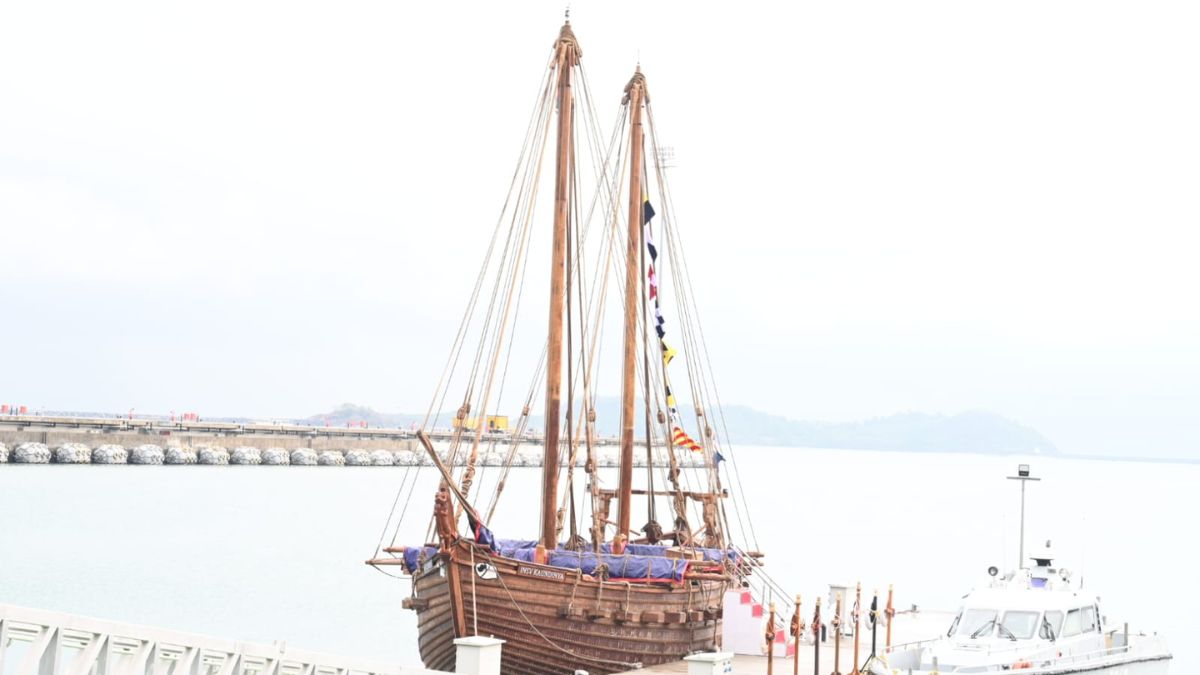
The exercise witnessed participation from Bangladesh, France, Indonesia, Kenya, Maldives, Mauritius, Myanmar, Seychelles, Singapore, Sri Lanka, Tanzania, and Timor-Leste. Image courtesy: X.com/@indiannavy

At a time when global maritime routes are under increasing stress, particularly amid tensions in West Asia and the Strait of Hormuz, the Indian Navy’s hosting of the Indian Ocean Naval Symposium (IONS) maritime exercise in Kochi marks a strategically timed initiative. Indian Navy organised the symposium on Friday (March 27, 2026).
Held at the Maritime Warfare Centre under the Southern Naval Command, the exercise brought together a diverse group of partner navies from across the Indian Ocean Region (IOR), reinforcing the urgency of coordinated maritime security in one of the world’s most critical trade corridors.
With nearly 80% of global seaborne oil trade passing through the IOR, the exercise underscores the growing need for collective preparedness against both traditional and non-traditional threats.
What is the purpose of the IONS maritime exercise?
The Indian Navy hosted the IONS Maritime Exercise (IMEX) TTX 26 at the Southern Naval Command in Kochi on the sidelines of IOS SAGAR 2026. “Bringing together delegates from IONS member navies and the international crew of IOS SAGAR 2026, the multilateral exercise simulated complex maritime scenarios – enhancing coordination, information sharing, and operational synergy without live deployments,” it said..
The insights gained will further reinforce the IONS framework, fostering a coherent, responsible, and stable maritime domain. Conducted in a high-end simulated environment, the exercise was designed to address complex, non-traditional maritime security challenges. These include piracy, maritime terrorism, illegal trafficking, and disruptions to critical sea lanes.
A key objective was to enhance interoperability among participating navies by improving shared understanding of operational doctrines, constraints, and response strategies. The exercise also focused on refining coordination mechanisms such as real-time information sharing and joint decision-making processes.
Importantly, it served as a platform to validate and strengthen existing IONS frameworks, ensuring that maritime security guidelines are not just theoretical, but tested under realistic scenarios.
Which countries participated and what does it signal?
The exercise saw participation from a wide spectrum of nations including Bangladesh, France, Indonesia, Kenya, Maldives, Mauritius, Myanmar, Seychelles, Singapore, Sri Lanka, Tanzania and Timor-Leste.
This broad-based multinational presence highlights a shared commitment to safeguarding the IOR, transcending regional and geopolitical divides. The inclusion of both regional littoral states and extra-regional powers like France reflects the global stakes involved in maintaining stability across these waters.
How does this tie into India’s leadership ambitions in the IOR?
The Kochi exercise assumes added significance as India takes over the chairmanship of IONS for the 2026–2028 cycle after a gap of 16 years.
IMEX TTX 2026 is being seen as a cornerstone event that sets the tone for India’s leadership vision, focused on inclusivity, cooperation, and capacity building. By driving such high-level engagements, India is positioning itself at the centre of regional maritime diplomacy and security architecture.
The move aligns with India’s broader Indo-Pacific strategy and its vision of ensuring a “free, open, and rules-based maritime order.”
The outcomes of such exercises go beyond symbolic cooperation. By building familiarity among navies, standardising response protocols, and fostering trust, they significantly enhance the region’s ability to respond to crises collectively. In an era where maritime threats are increasingly hybrid and unpredictable, such coordinated preparedness acts as a force multiplier.